AUGUST 2020
CROATIA
-
Language: Croatian
Currency: € EURO (Switched from Kuna in 2023)
Capital city: Zagreb
Population: 3,8 Million
Driving Side: Right
Best Time to Visit: May–June & September–October
Weather: Mediterranean on the coast, Continental inland
Power Outlets: Type C & F (220V)
-
✅ 5 Day trip
✈ Direct flight
Berlin → Split (~ 2hs)
🎒 What to Pack: Swimsuit, Goggles and water shoes
-
Strolling and discovering the secret corners of Diocletian’s Palace and Budikovac Island.
Sun, sea, and stunning landscapes. Croatia gave us ancient palaces, unreal beaches, and adventure packed island hopping, all in just a few unforgettable days!
Long-Weekend Getaway
Itinerary
Day 1: Split (Base)
Day 2-3: Bol & Brač
Day 2-3: Zlatni Rat Beach
Day 4: 5 Islands Speedboat tour
Day 5: Palace
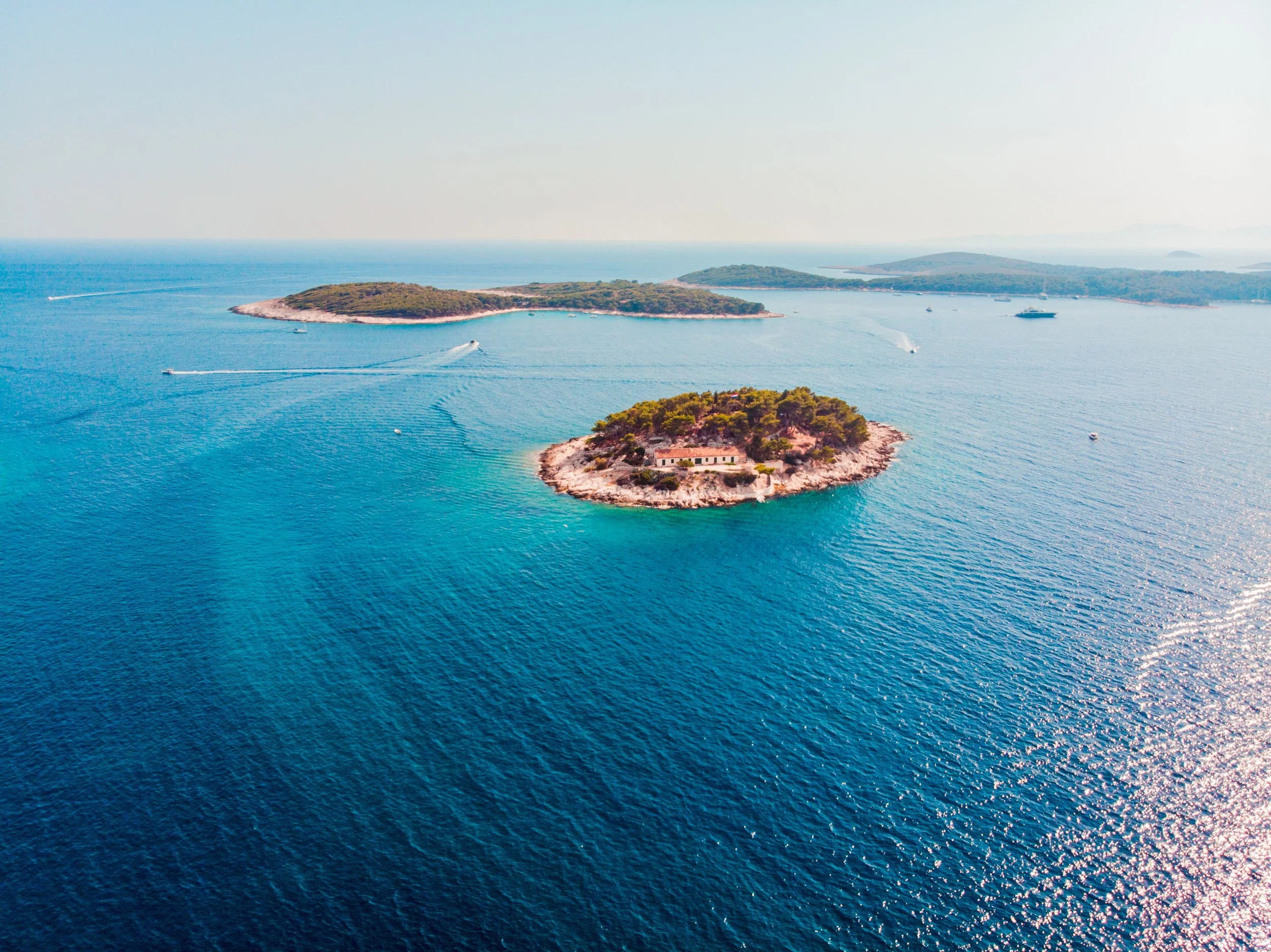
Ancient stone streets, rooftop sunsets, and water so clear it didn’t feel real.
It was a short escape, but one that stayed with us long after we left.
Croatia Was a Whole Vibe
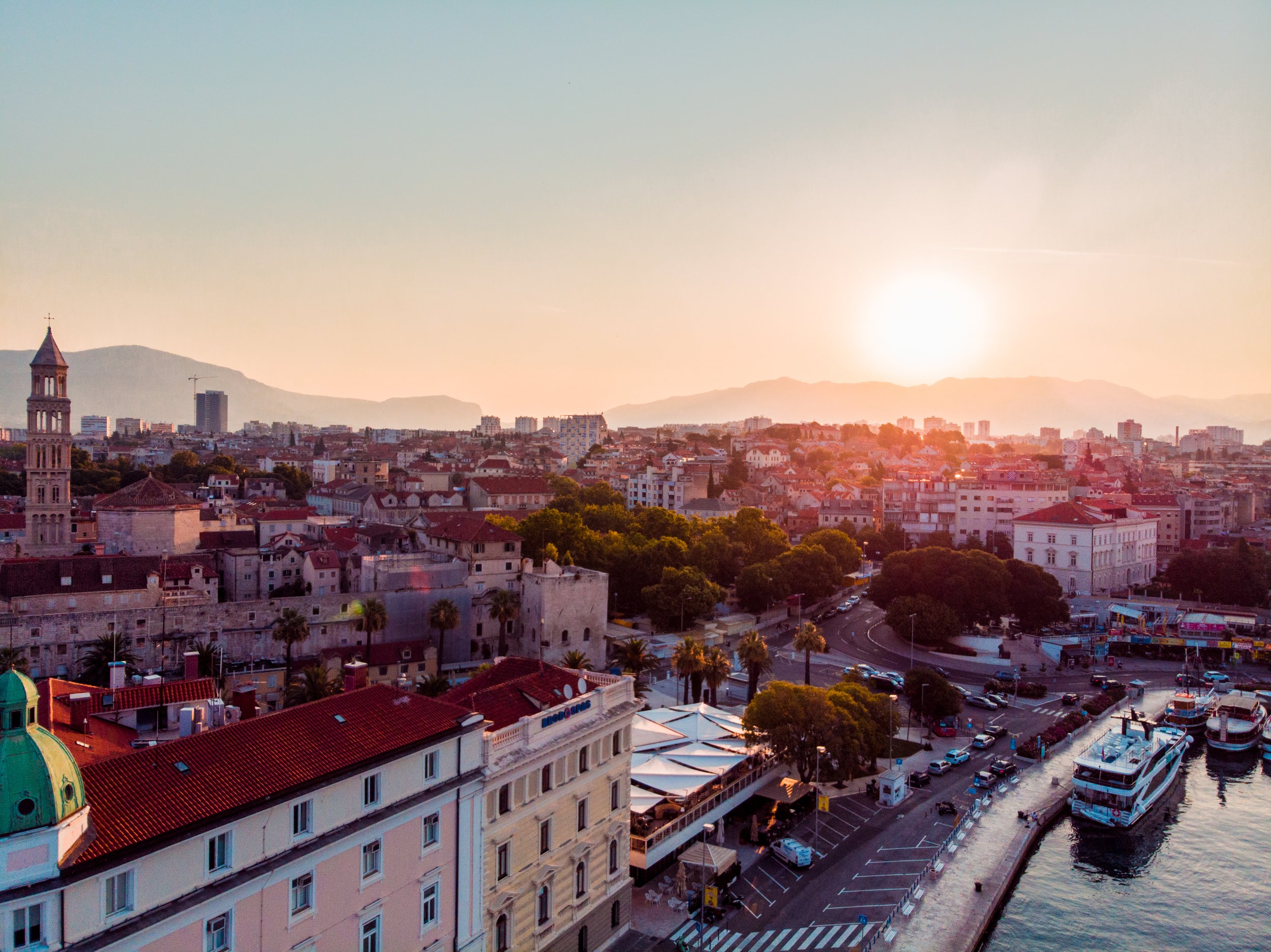
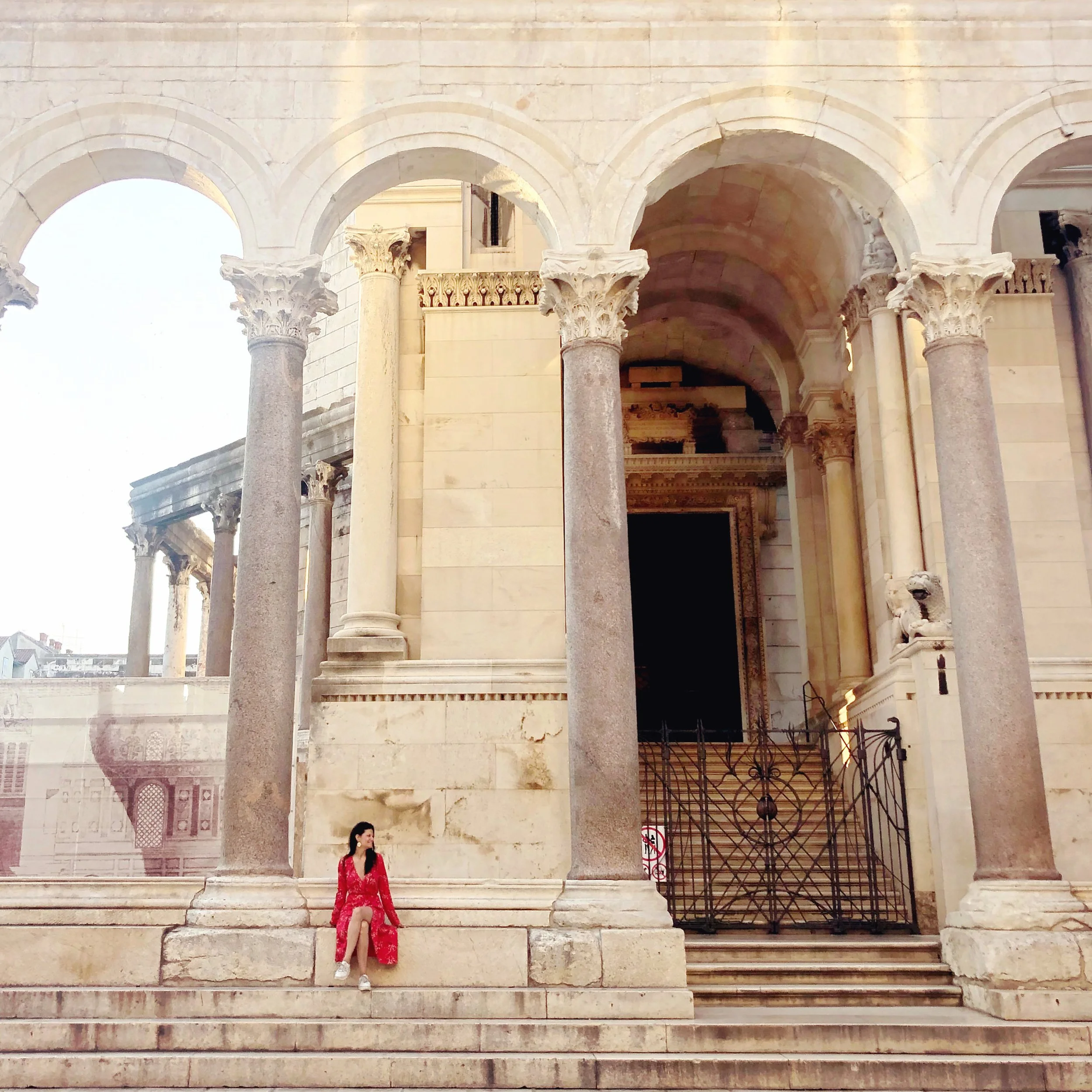
Split welcomed us with sunlight, stone, and a surprising pulse of life. We started wandering through Diocletian’s Palace, getting lost in its courtyards, side alleys, and underground passages. A free walking tour helped us spot what was worth seeing and what to skip. That evening We climbed Marjan Hill just before sunset. The path curved through pine trees and opened to a view of Split, the sea, and the far off islands. Split opened up below. Red roofs, deep green pines, and that kind of blue that makes everything else go quiet.
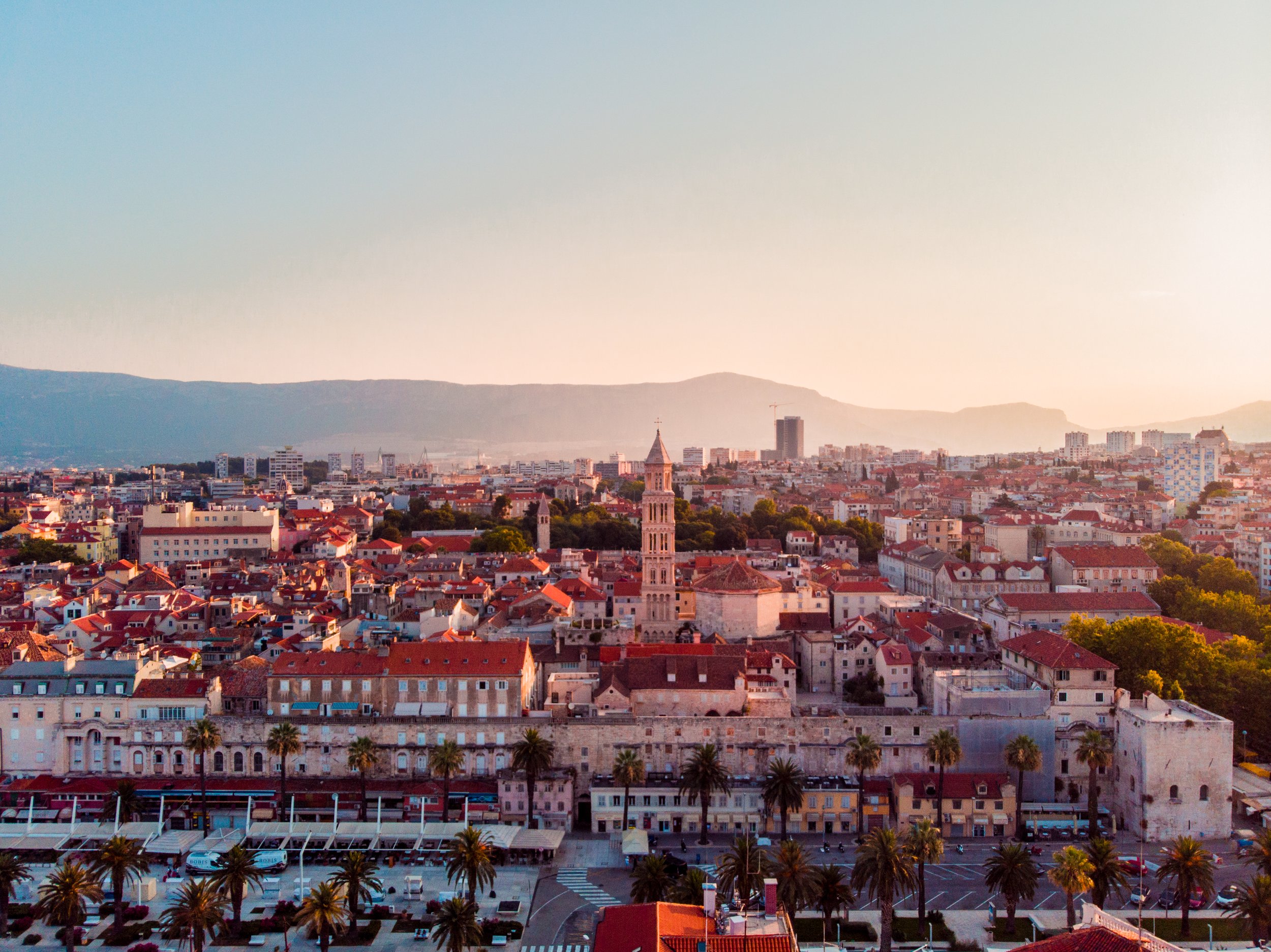
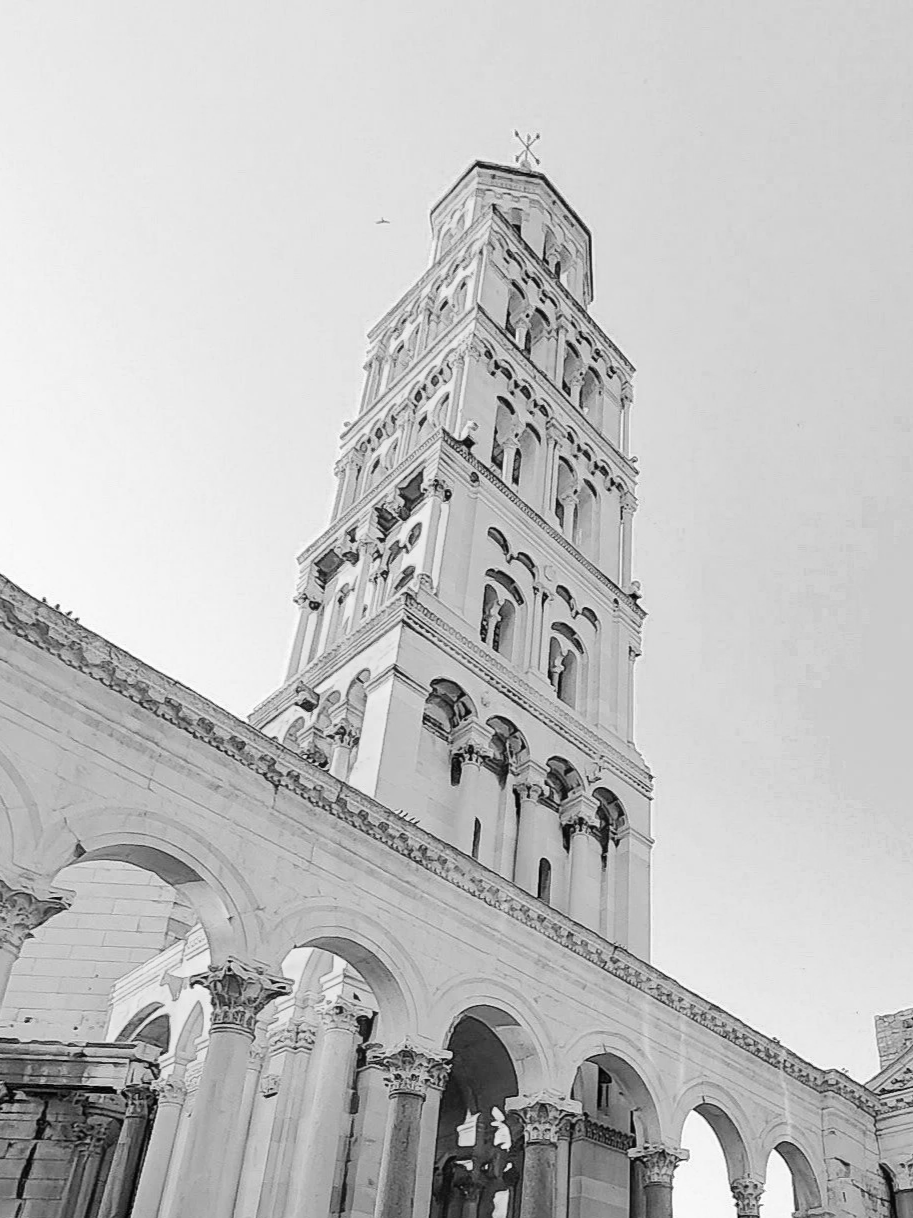
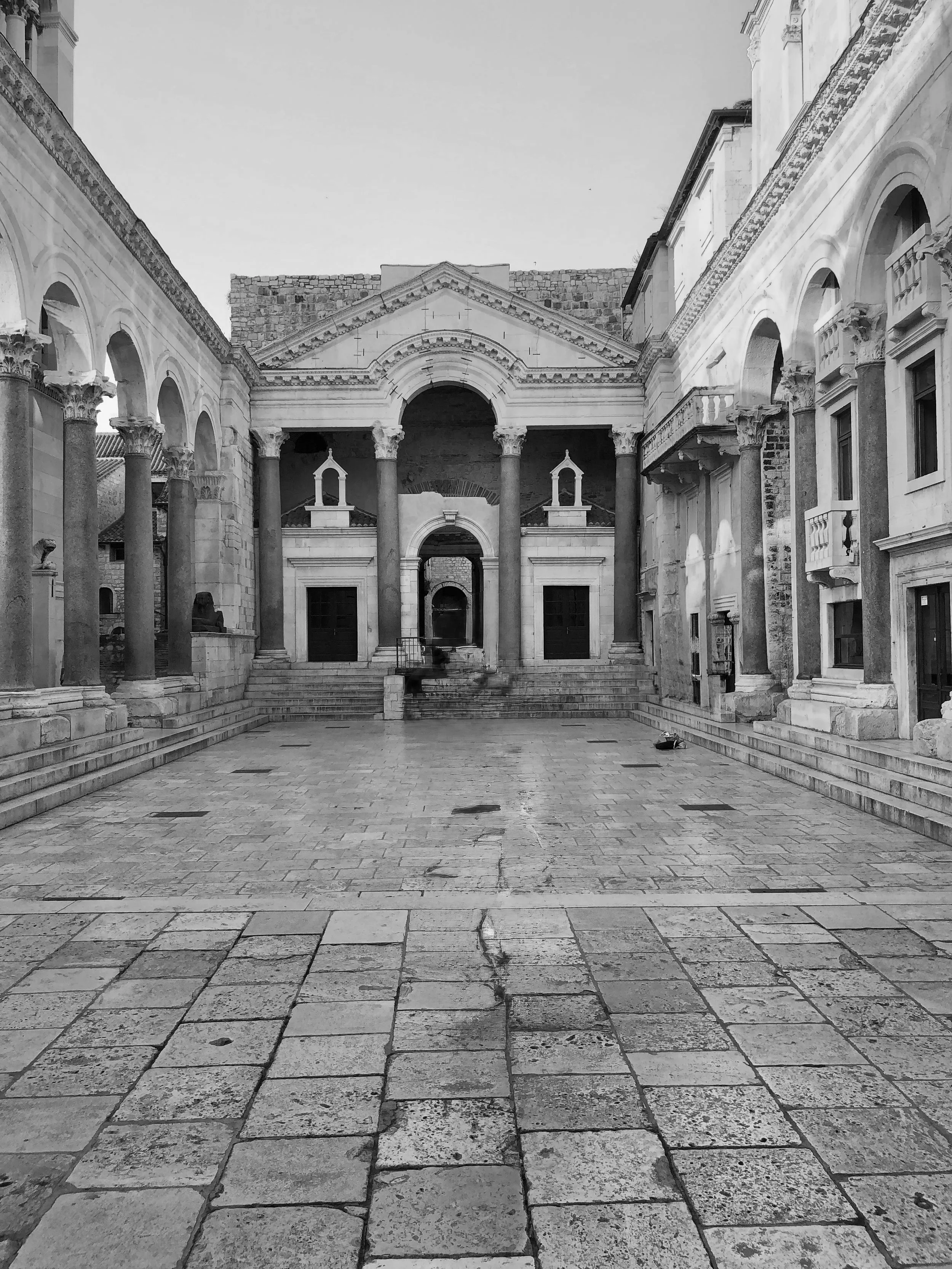
We came back to the palace again another day, this time just after sunrise. The city was asleep. No crowds, no noise, only soft light, quiet stone, and the sound of our own steps. We climbed the bell tower, wandered the dungeons, and stood completely alone in the central square. That early morning felt like a secret and it was worth every minute of lost sleep.
Golden Horn Goals
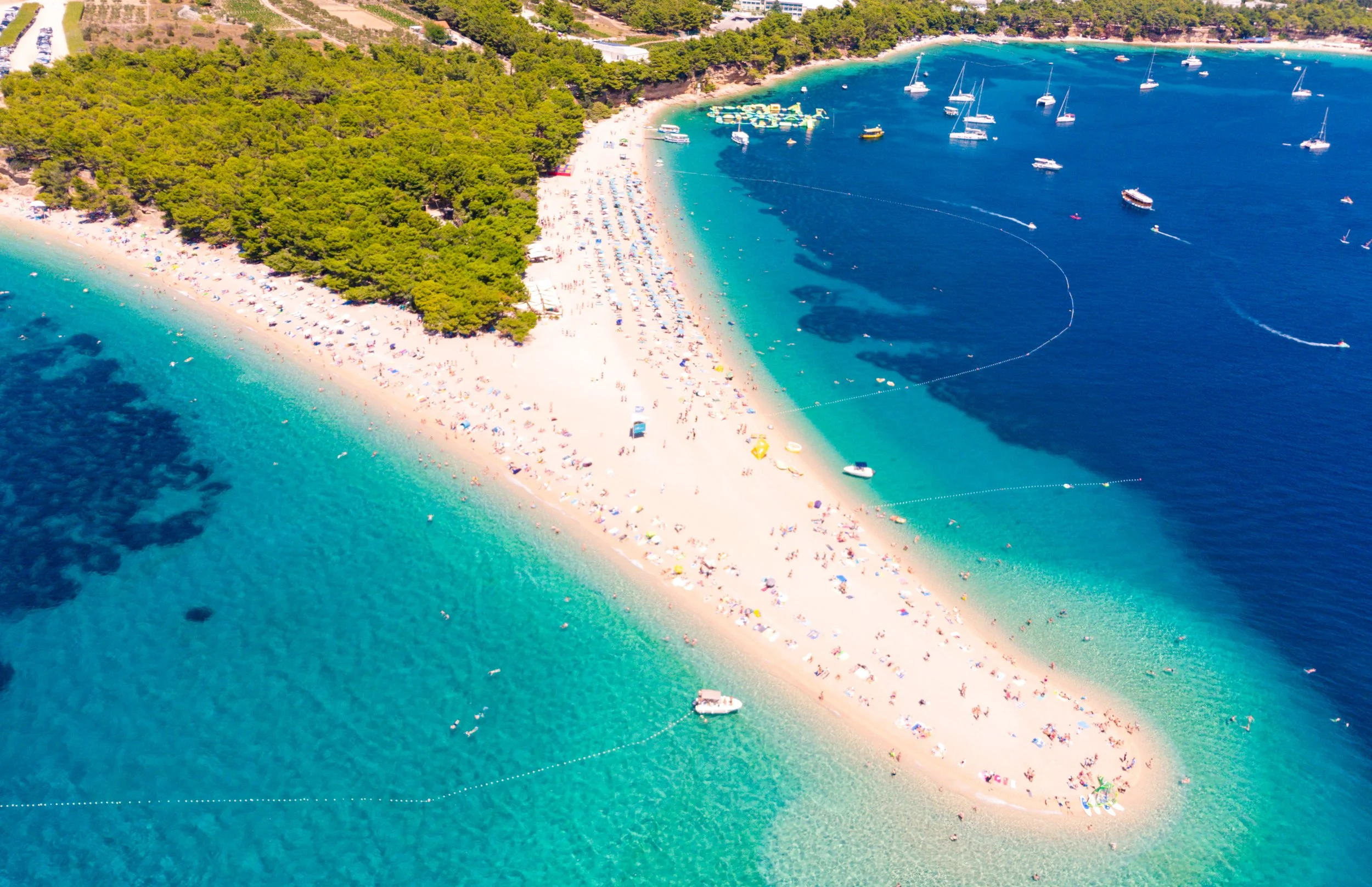
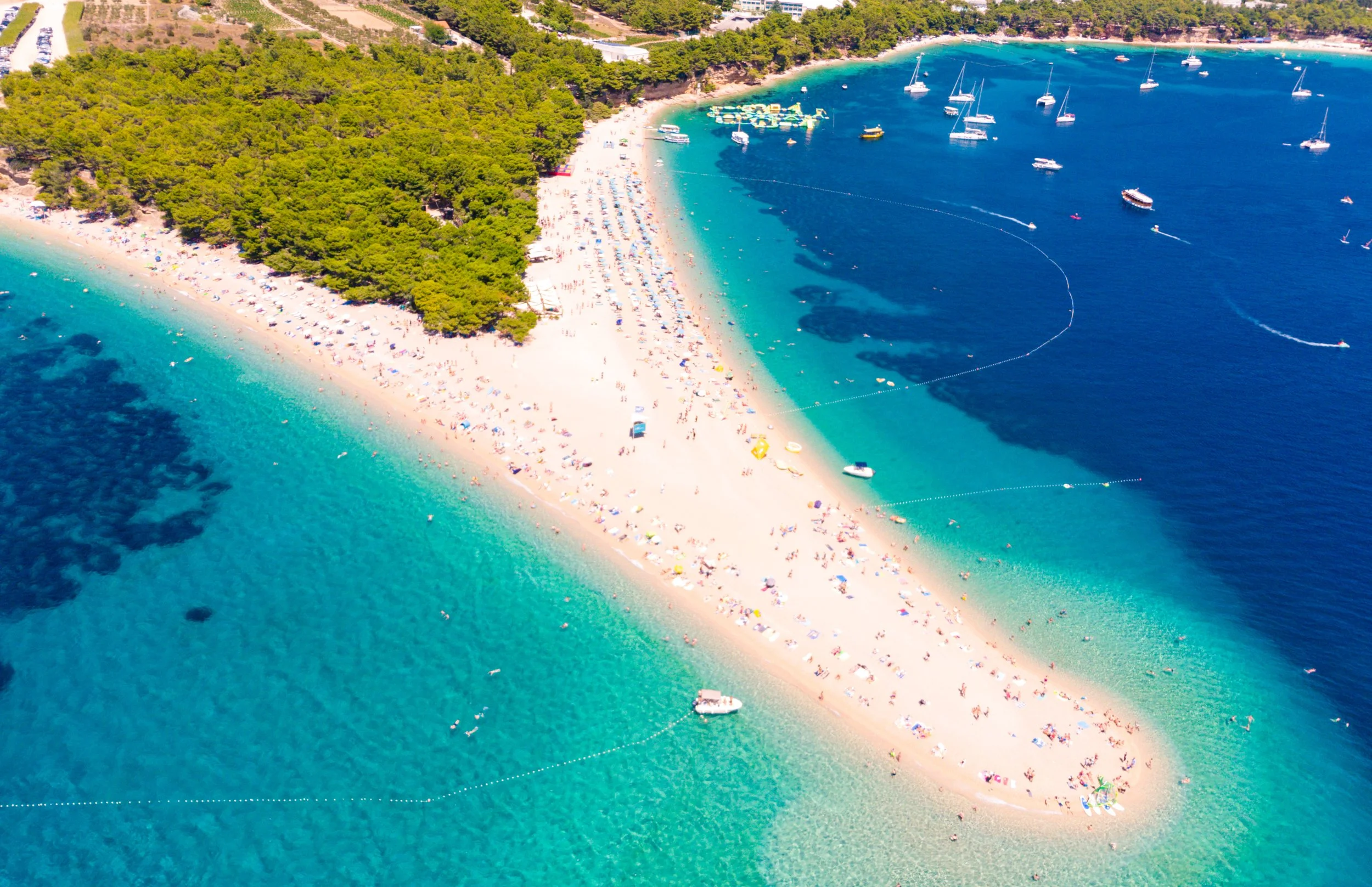
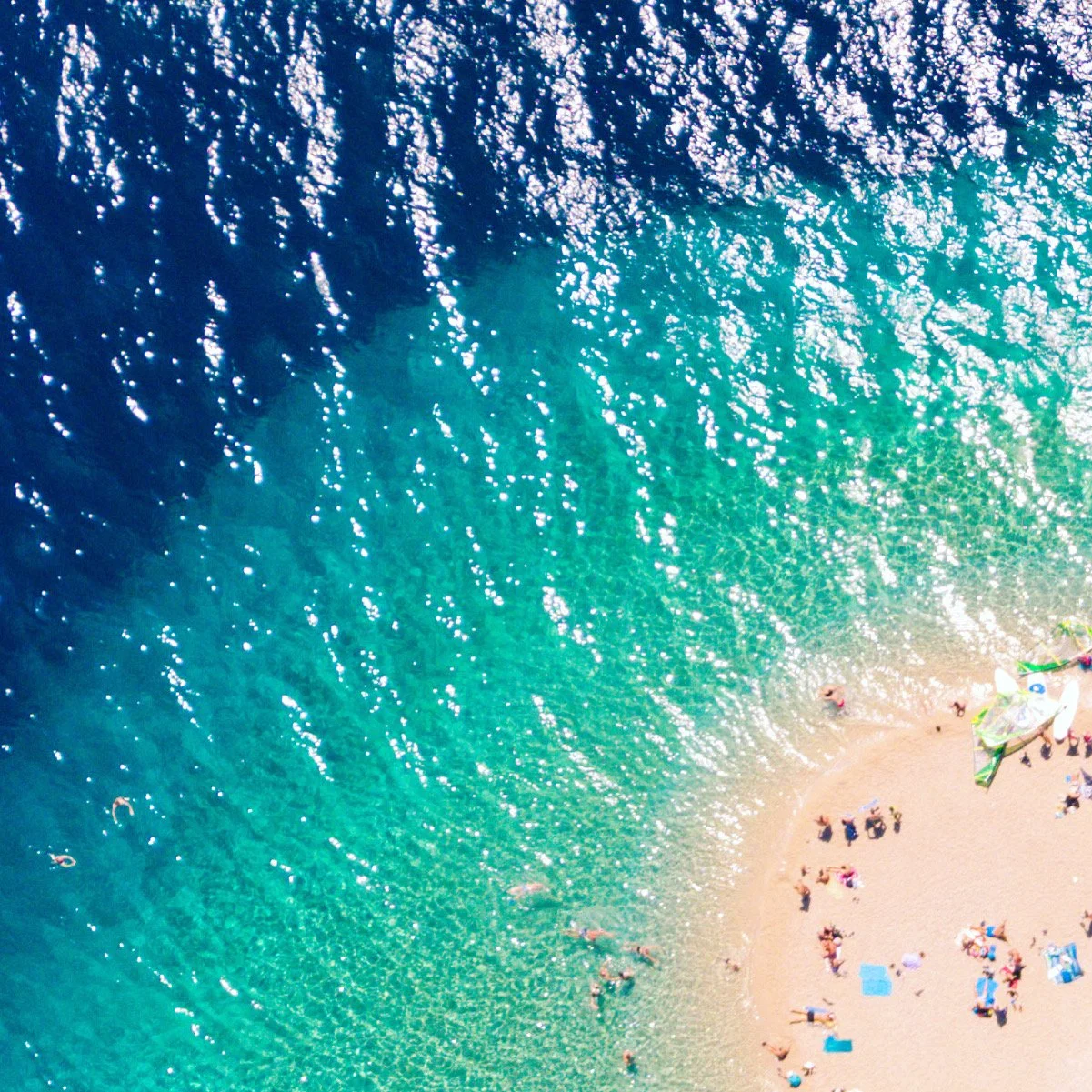
Zlatni Rat Beach was everything. We ferried to Brač, shared a taxi with strangers, and ended up on 500 meters of smooth white pebbles wrapped in turquoise sea. Consistently ranked among the world’s most beautiful beaches, the horn shape shifts with winds and waves and feels unreal in every direction. We went back the next day just to walk the coast to Bol, have lunch by the harbor, and swim near the 15th century Dominican Monastery of St Mary of Mercy, its stone walls set directly on the rocks at the water’s edge. Slower, quieter, still magic.
Island Hopping Energy
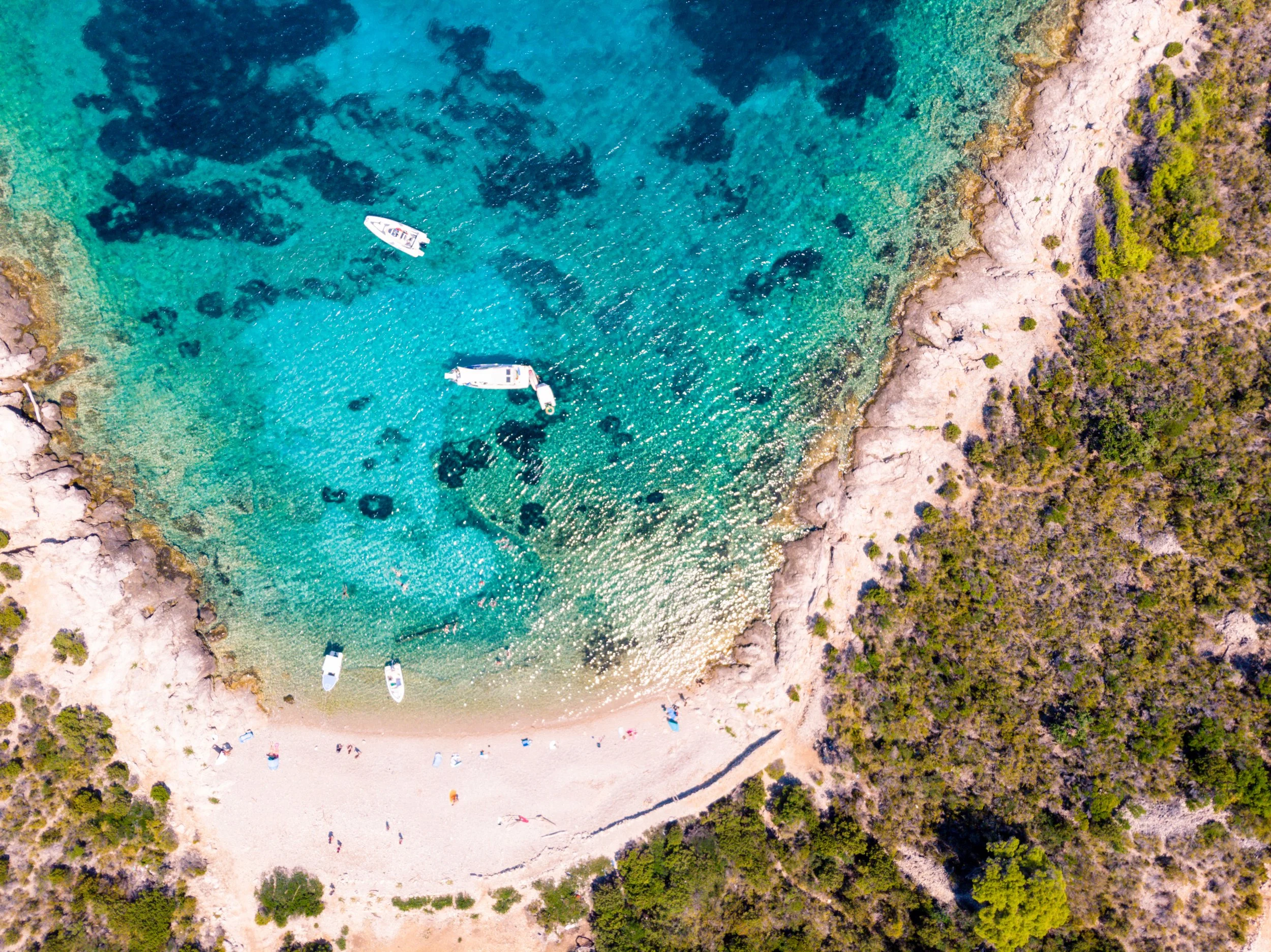
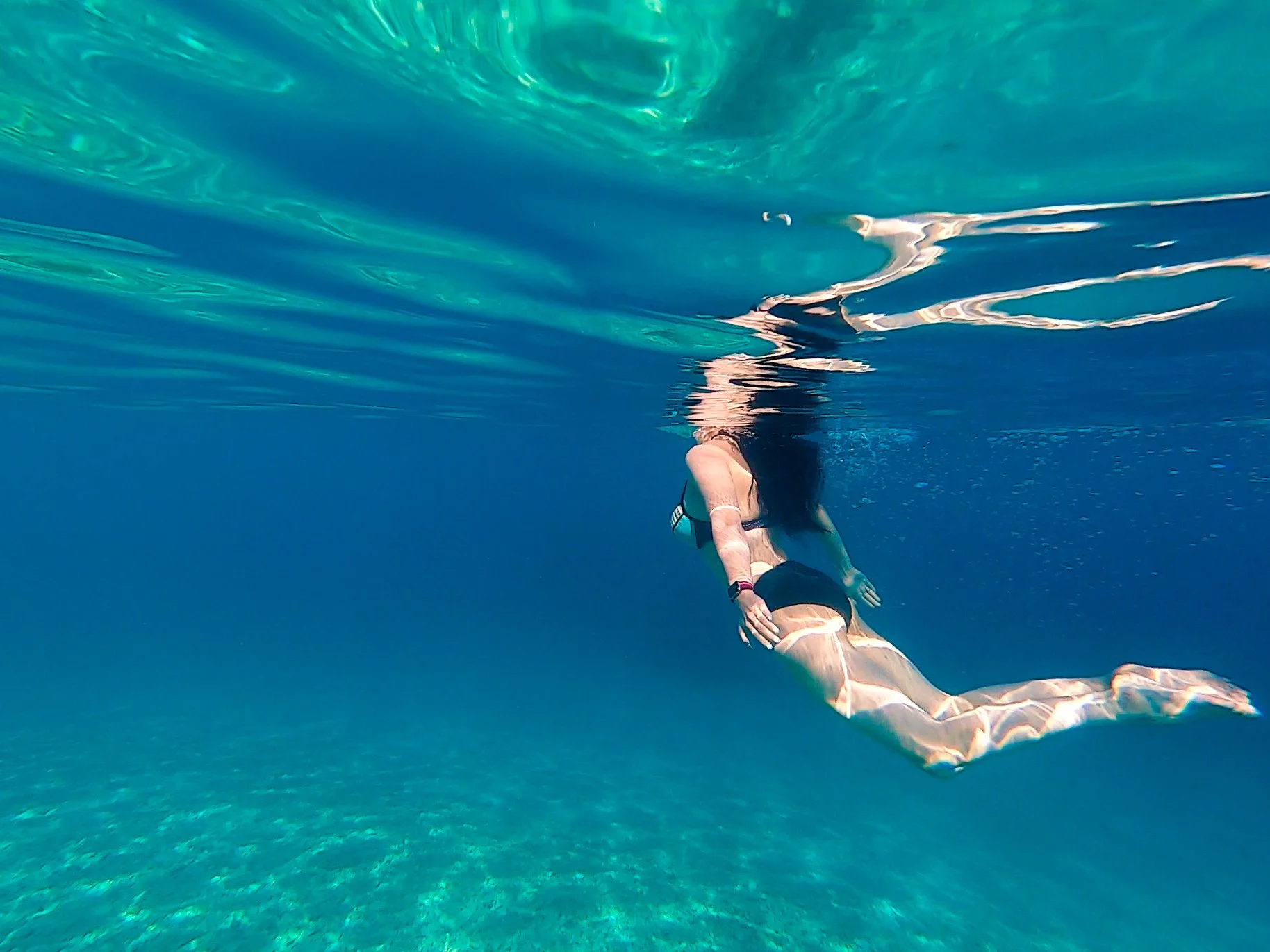
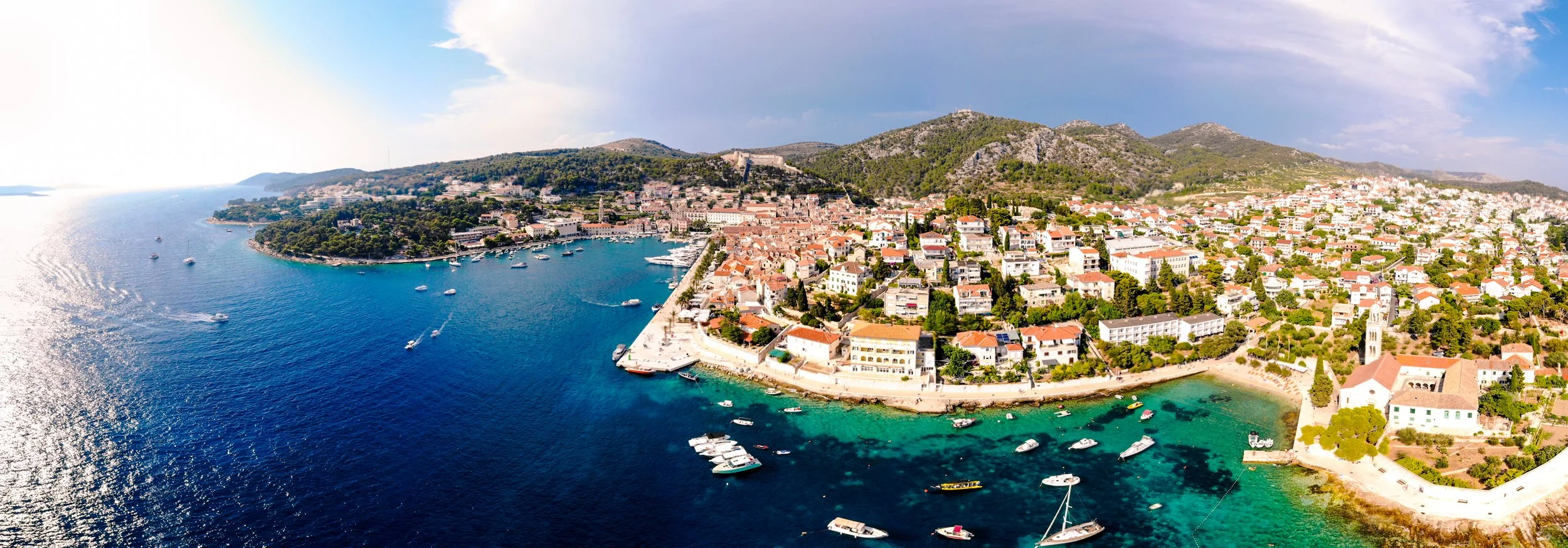
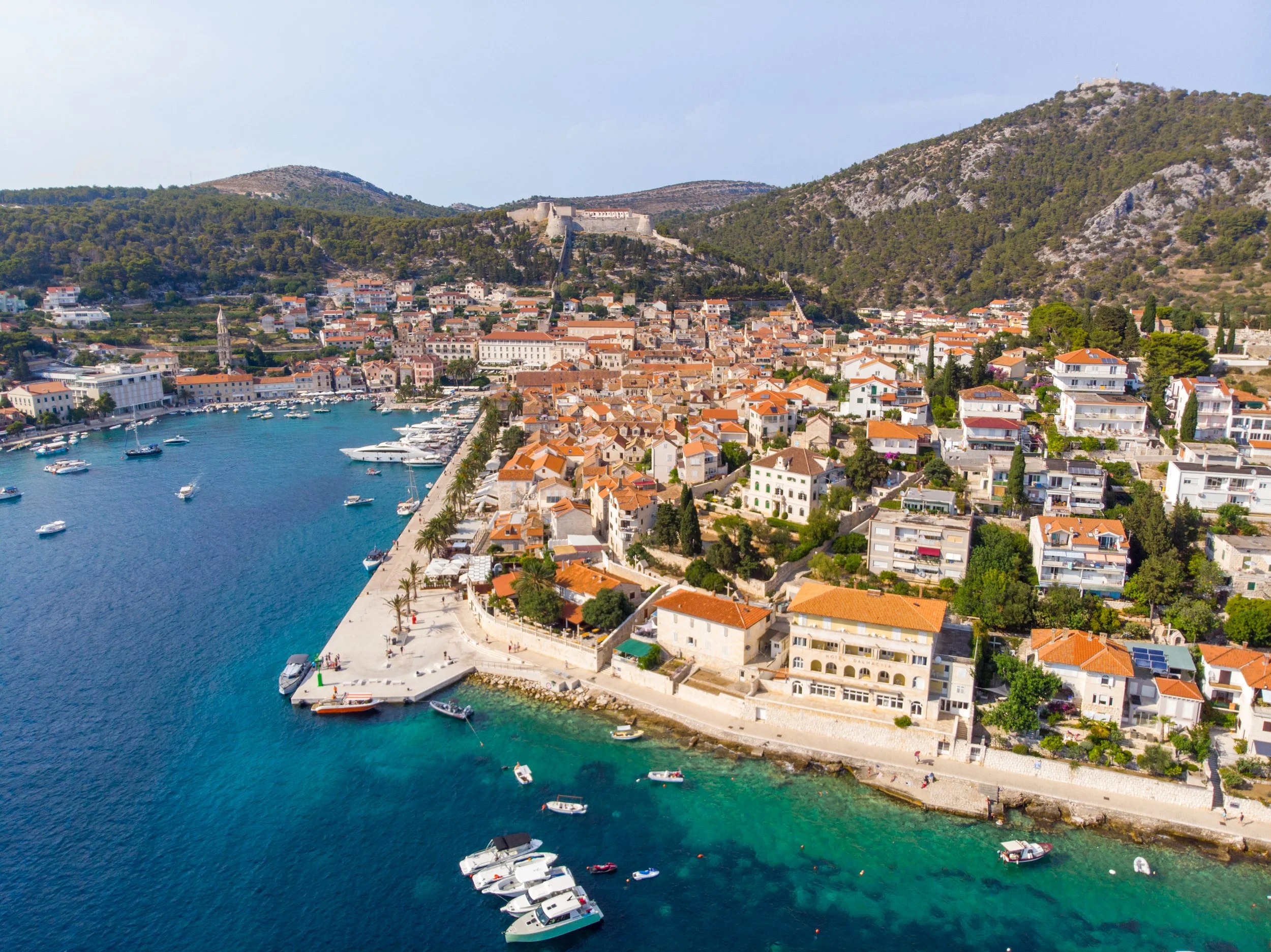
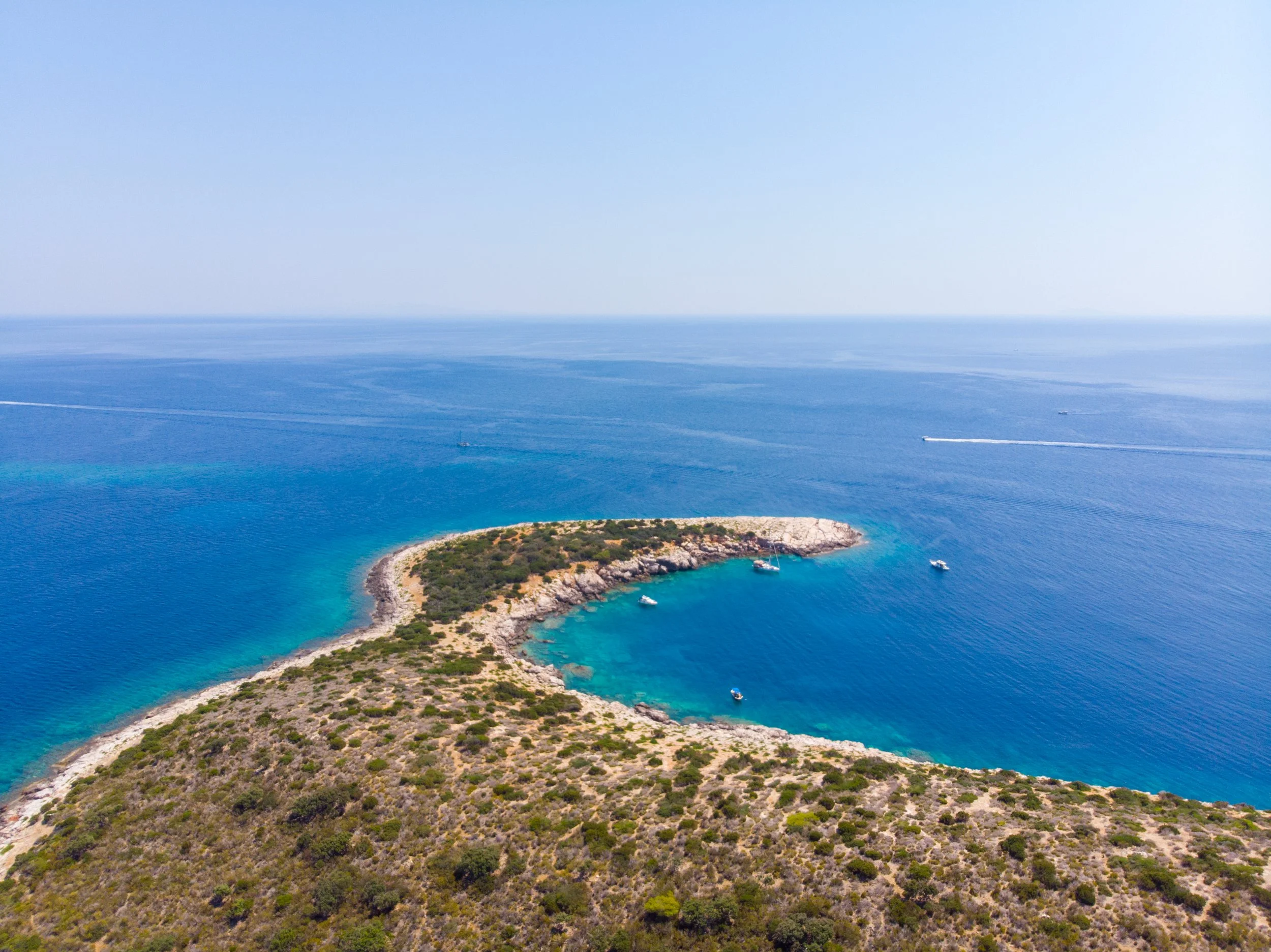
One boat, five islands. The Blue Cave glowed in silence but felt like a checkpoint. Komiža slowed everything down with stone houses, empty alleys, and sea breeze. Known for its deep fishing roots, the town is home to the historic gajeta falkuša boat and a 16th-century stone fortress that now houses a fishing museum. Stiniva came next, a narrow cove between cliffs, reachable only by boat or a steep 20 minute hike. We swam and snorkeled there, surrounded by rock and quiet. The Green Cave faded behind us as we swam off a beach no road could reach. Budikovac stopped us completely. Shallow, unreal water that didn’t make sense. We floated, quiet, not really ready to leave. Hvar came with centuries etched in marble and stone. We walked into one of the oldest public theaters in Europe, opened in 1612 and still sitting above the harbor. St. Stephen’s Square opened wide in front of us, all polished stone and palm trees, anchored by the cathedral’s bell tower. We climbed to the Spanish Fortress, originally founded by the Venetians in the early Middle Ages and rebuilt between 1551 and 1557 by Venetian engineers after Ottoman raids devastated the town. From around 95 meters above the harbor, we looked out over terracotta rooftops, the bastioned walls framing a view the fortress was designed to protect centuries ago. Just offshore, the The Pakleni Islands stretched across the sea like scattered stepping stones. The name comes from paklina, a pine resin once harvested on these islands and used to seal wooden ships. It is a nod to their maritime past. The islands shimmered, and the day folded quietly behind the hills. Everything felt suspended in that last moment of light.
Design Tales
From palace to city
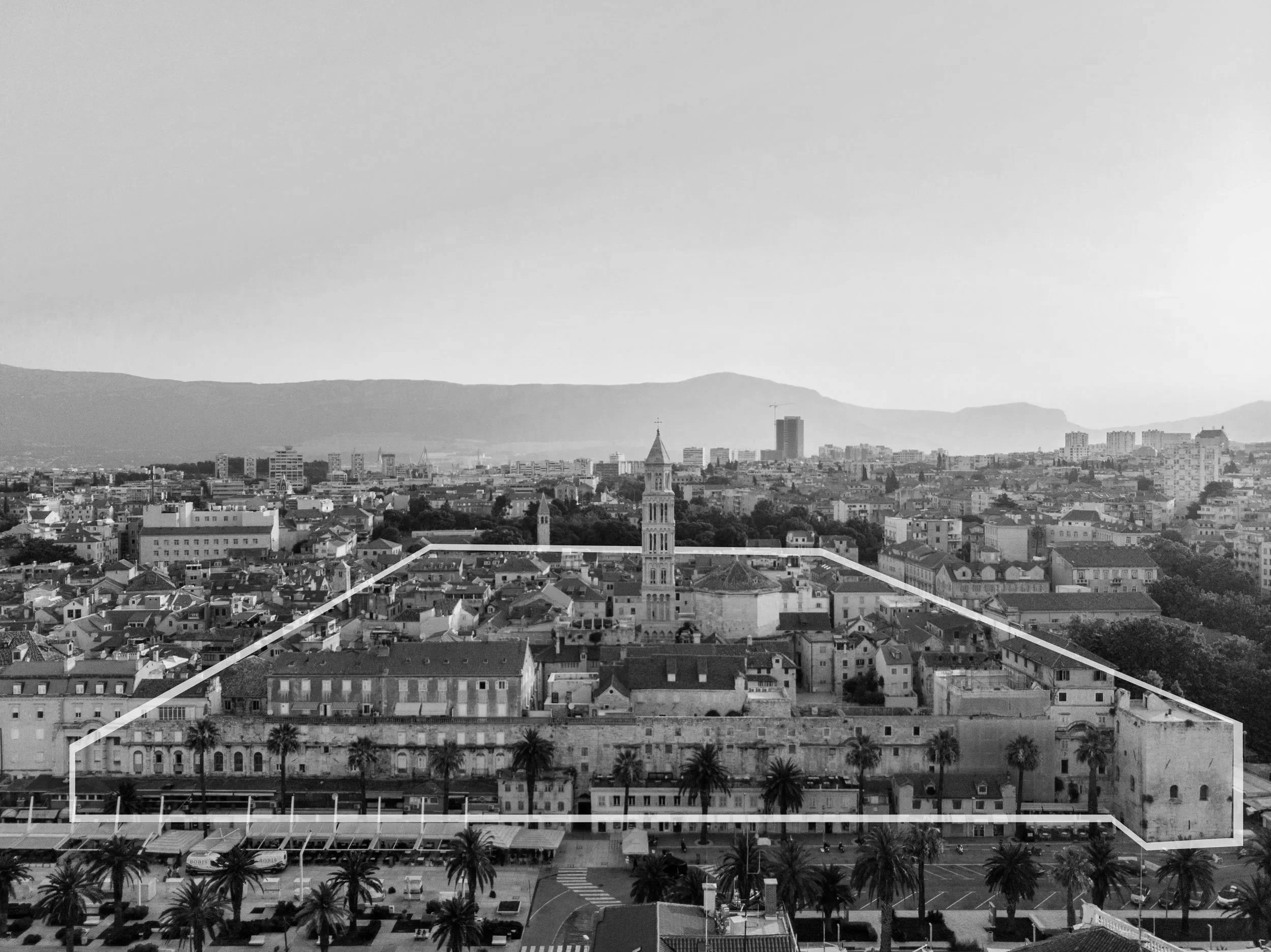
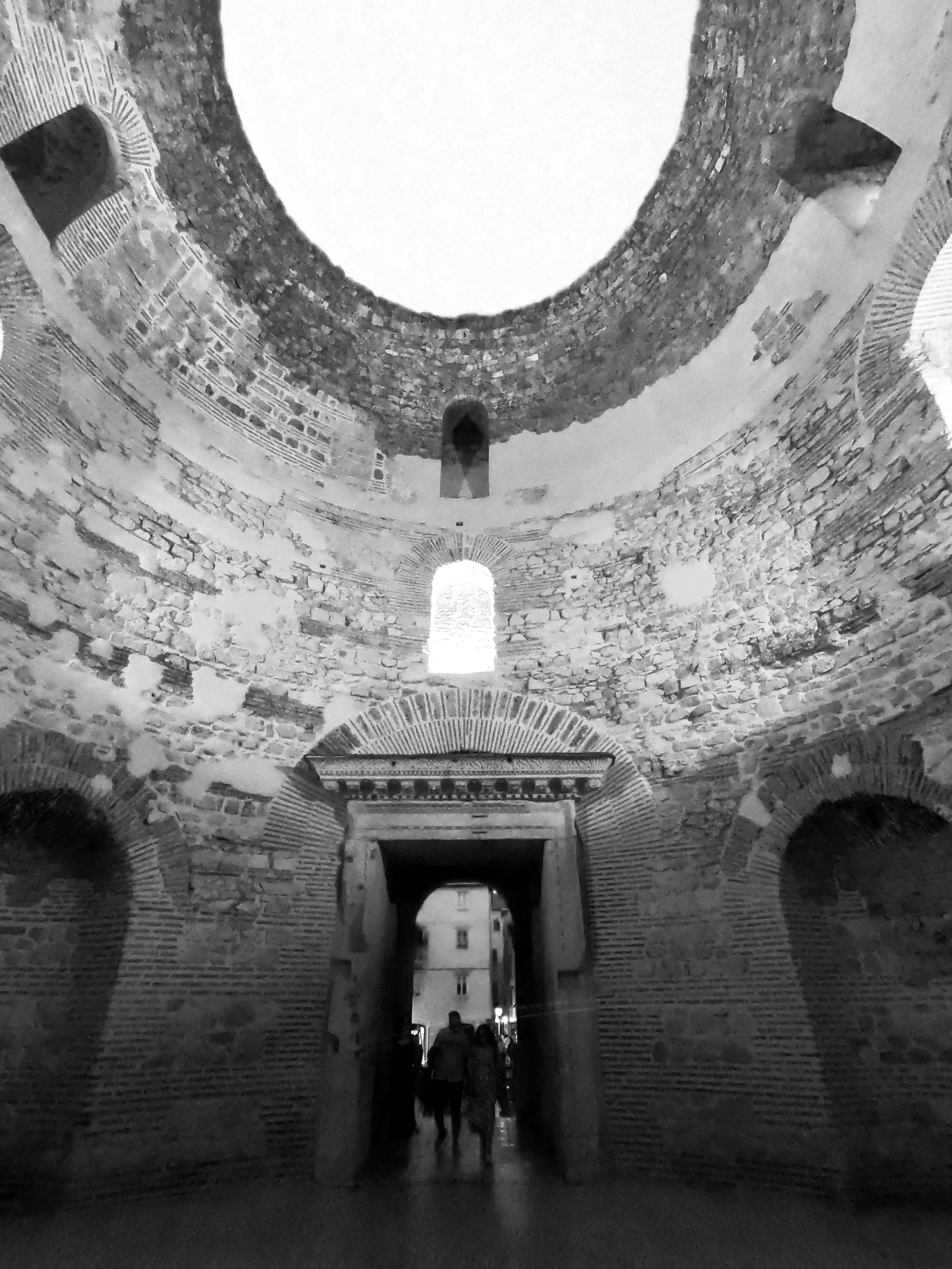
Diocletian’s Palace is not a monument you visit but the city itself. Built around 305 CE as the retirement palace of Emperor Diocletian, its fortified Roman grid still structures Split today, with walls, gates, and streets intact while their meaning has shifted. The palace covers roughly 38,000 m², its rectangular plan measuring about 215 x 180 meters, and originally housing an estimated of up to 9000 inhabitants, including a military garrison, servants, and court officials.
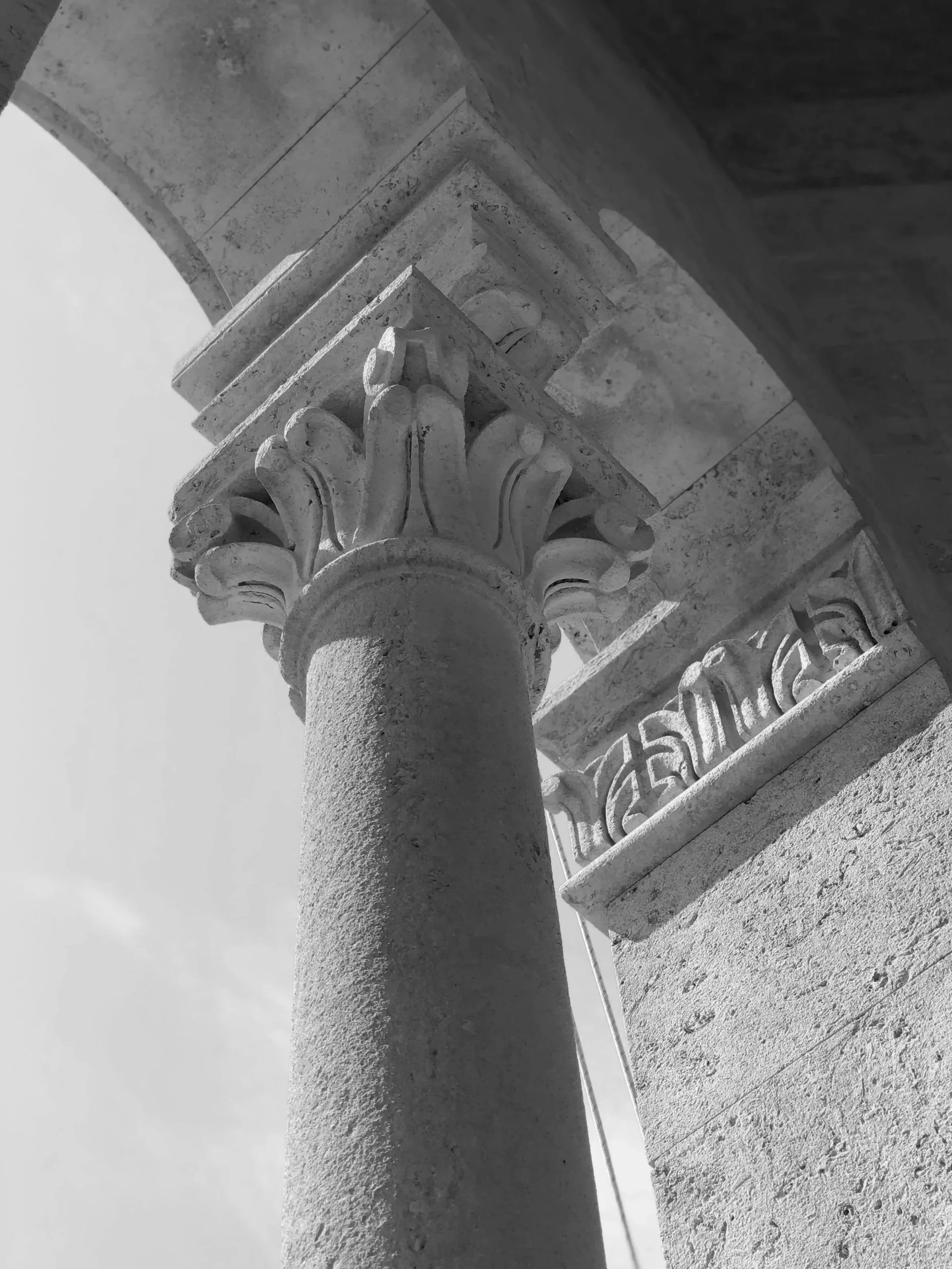
Imperial halls became apartments, corridors became streets, and the emperor’s mausoleum became a cathedral. This continuity is inseparable from materiality. Built primarily from local white limestone and marble from the island of Brač, with granite columns imported from Egypt marking the Peristyle, the palace expresses power through material contrast rather than ornament. The massive limestone masonry walls enabled centuries of cutting, reuse, and adaptation without losing structural coherence. Roman, medieval, and contemporary layers coexist in constant negotiation. This is not preservation but occupation. Split reveals architecture not as a finished object, but as a structure that endures by changing.
Editors Note
This trip was a mix of breathtaking moments & tourist traps. Would I do it all over again? Absolutely. Here’s what stood out:
🏆 The best? That insane water at Budikovac Island.
🚩 The biggest tourist trap? The Blue Cave. It is cool, but overpriced.
💡 Pro tip? If you want to get to Zlatni Rat Beach, grab a taxi FAST or you’ll be stuck in line!