JULY 2017
ICELAND
-
Language: Icelandic
Currency: króna (ISK)
Capital City: Reykjavík
Population: ~376,000
Driving Side: Right
Best Time to Visit: May–September for accessibility & long daylight
Weather: Subarctic & oceanic. Fast changing, windy, cool summers
Power Outlets: Type F (220V, like Germany)
-
✅ 7 Days
✈ Direct flight
Berlin → Reykjavik
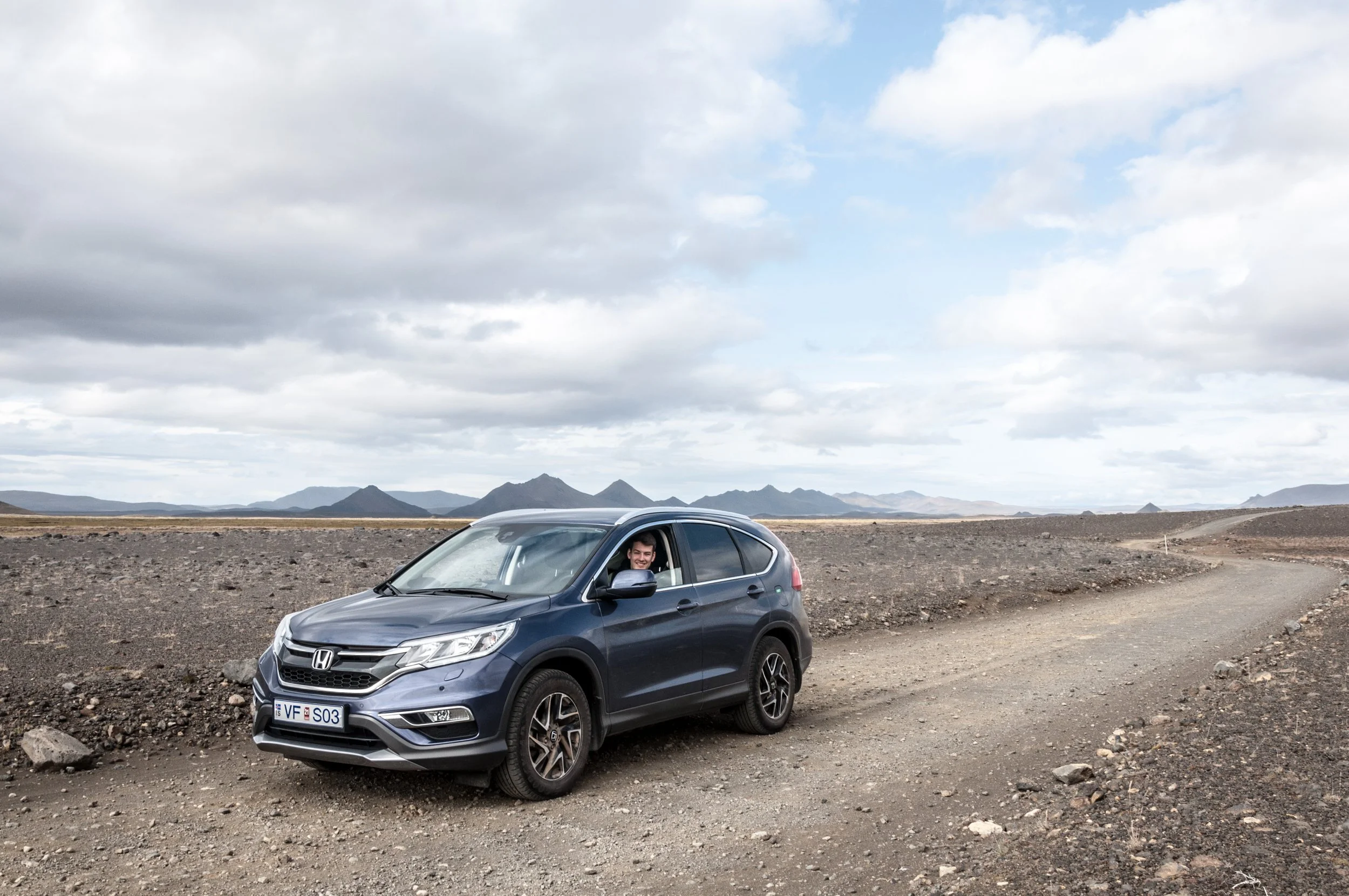
Rent a 4×4
The weather changes every ten minutes. Bring layers, waterproof everything, and emotional flexibility.
Bring a good camera, if possible a drone as well.
-
Dimmuborgir
Svínafellsjökull Glacier Hiking
Jökulsárlón Lagoon
Hike 1: Skaftafell – Kristínartindar
Hike 2: Fimmvörðuháls
Volcanoes, glaciers, endless fog and fire. Iceland served up foggy ridge hikes, windswept black beaches, surreal lava fields, and icy dreamscapes. One week, a ton of weather moods, and some serious main character moments. We’re still not over it.
Itinerary
Day 1: Reykjavík & The Golden Circle
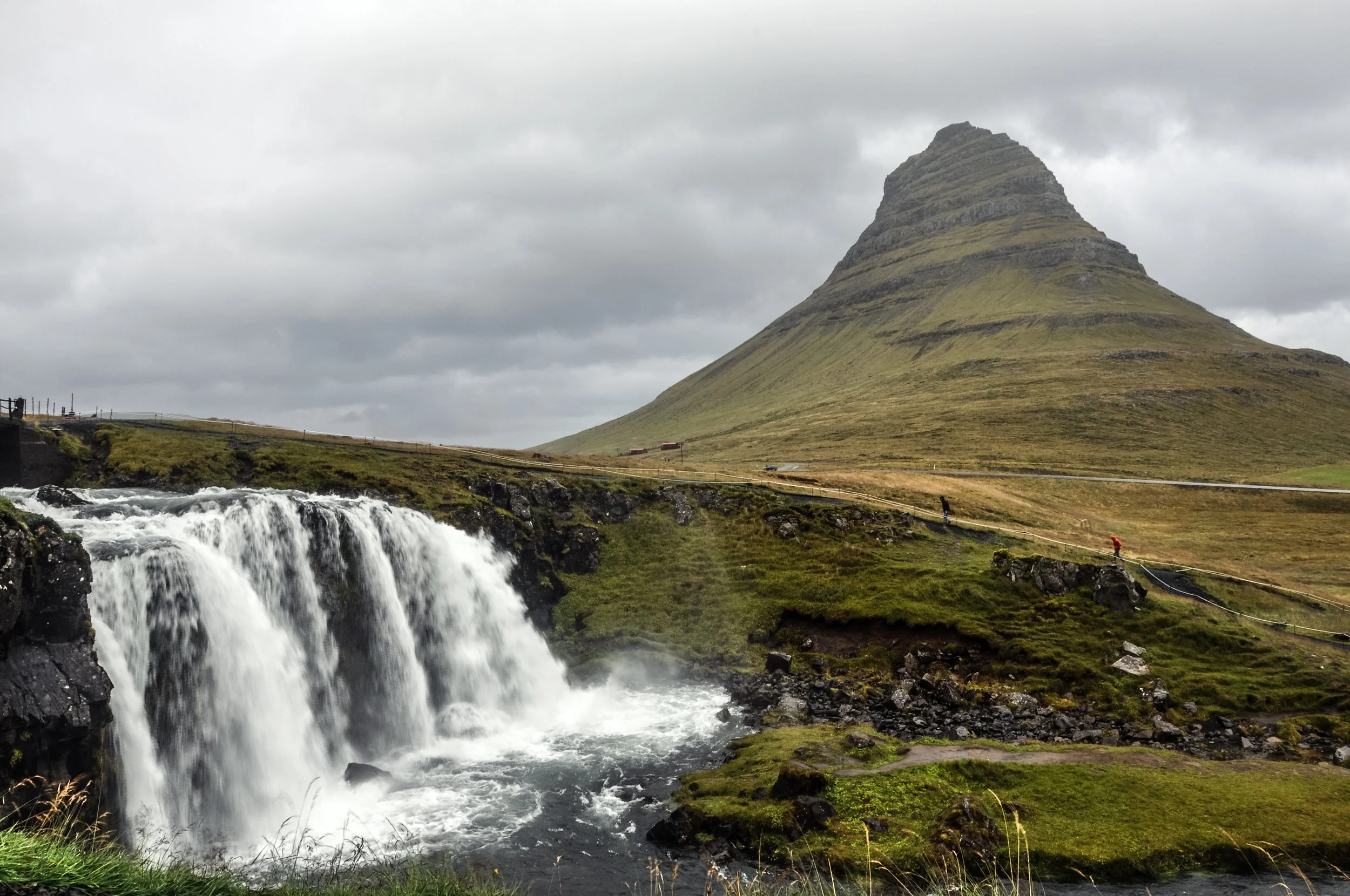
Day 2: Snæfellsjökull National Park & Kirkjufell
Day 3: Dimmuborgir & Hverfell Crater
Day 4: Jökulsárlón Lagoon & Hike 1: Kristínartindar (Skaftafell)
Day 5: Glacier Hike & Sólheimasandur Plane Wreck
Day 6: Hike 2: Fimmvörðuháls Trail
Day 7: Secret Lagoon & Chill Day
Glaciers, Geysers & Getting Lost
Iceland is on pretty much everyone’s bucket list, and we finally crossed it off. One week. One 4x4. Two reckless adventurers and zero working flashlights. A couple’s dream to touch the clouds, hike into the fog, and maybe see a seal or two.
This was our Iceland trip. Chaotic. Breathtaking. A little dangerous. And 100% unforgettable.
If you’re craving moon vibes, mood swings (from the weather and maybe also your partner), and the feeling that the earth might be alive, Iceland delivers.
Reykjavík and the Golden Circle. A Soft Start, with Steam and Drama
We eased into the trip with some big Reykjavik energy. Cozy cafés, colorful rooftops, and the landmark you can see from basically anywhere: Hallgrímskirkja. Designed in 1945 by Guðjón Samúelsson, the church’s bold, jagged form mimics glaciers, mountains, and trap rocks. It’s expressionist, iconic, and honestly, much smaller than the photos make it look. Still, it’s a vibe.
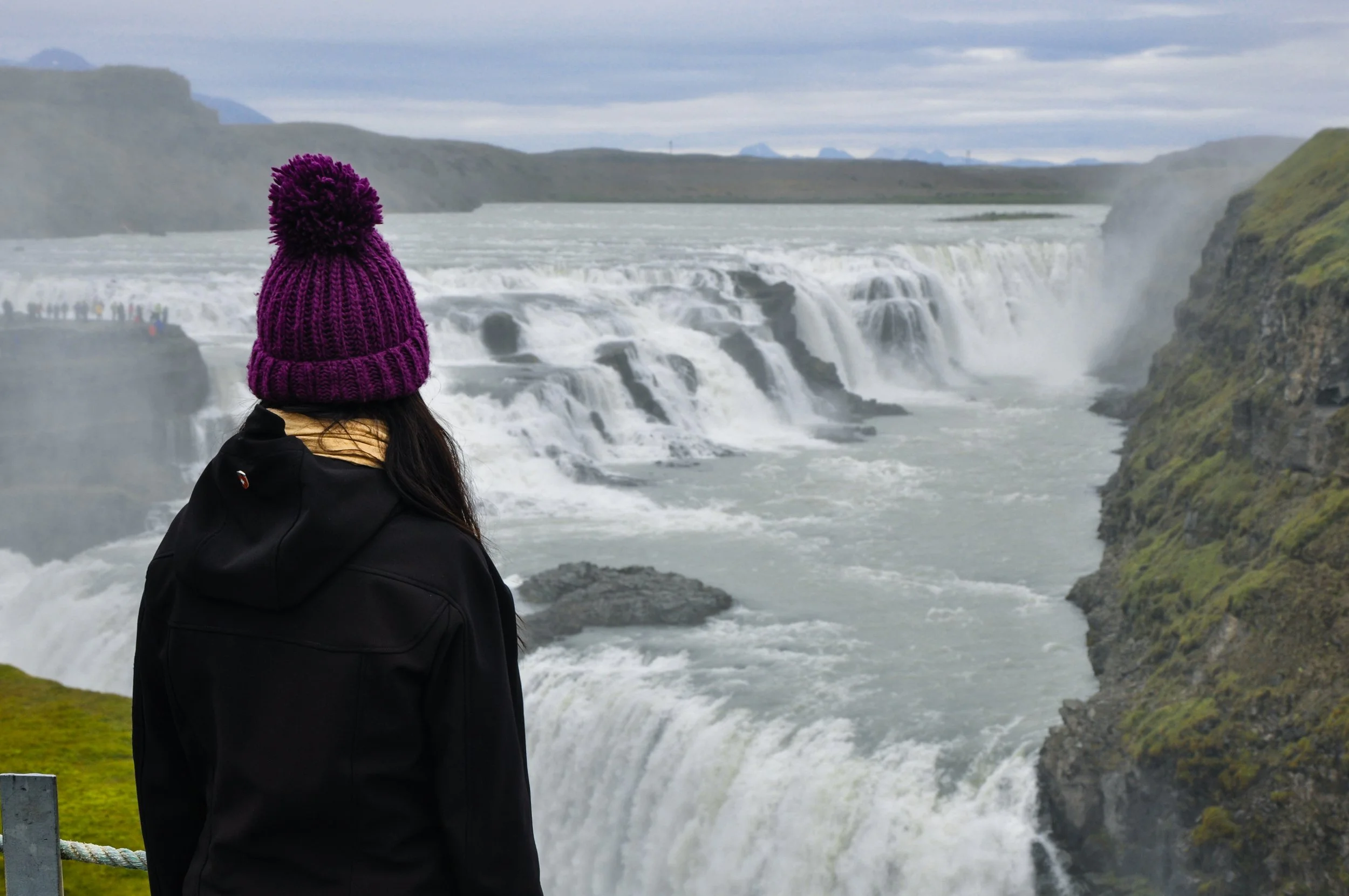
Then came the Golden Circle, Iceland’s greatest hits playlist. Waterfalls, geysers, cracked earth, and mist in your face. It’s touristy for a reason. We loved getting sprayed by Gullfoss and watching Strokkur erupt on loop like it was showing off.
💡 Pro tip: Don’t try to stay dry. Embrace the chaos.
Lava Fields and Forgotten Craters. Dark Earth Energy
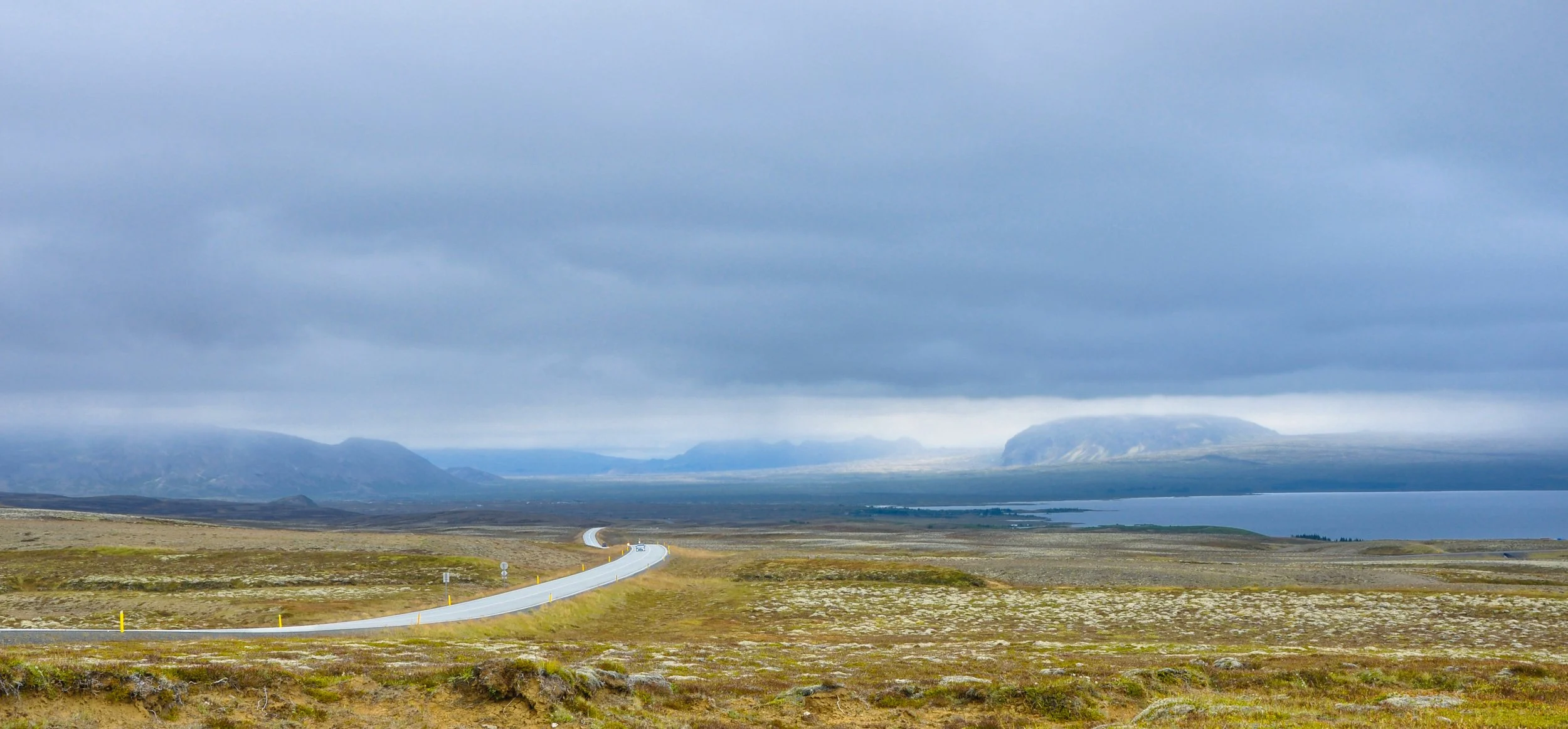
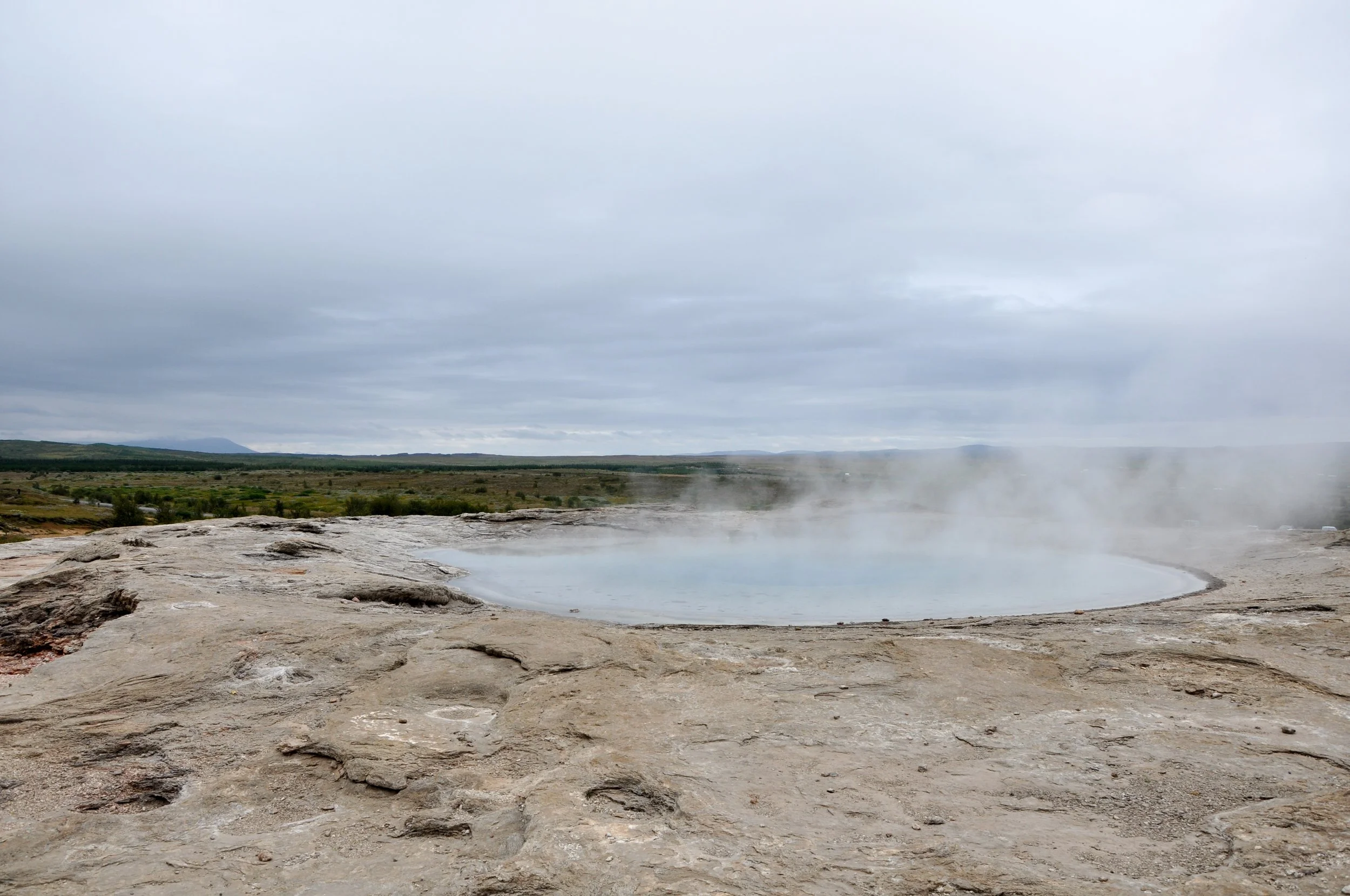
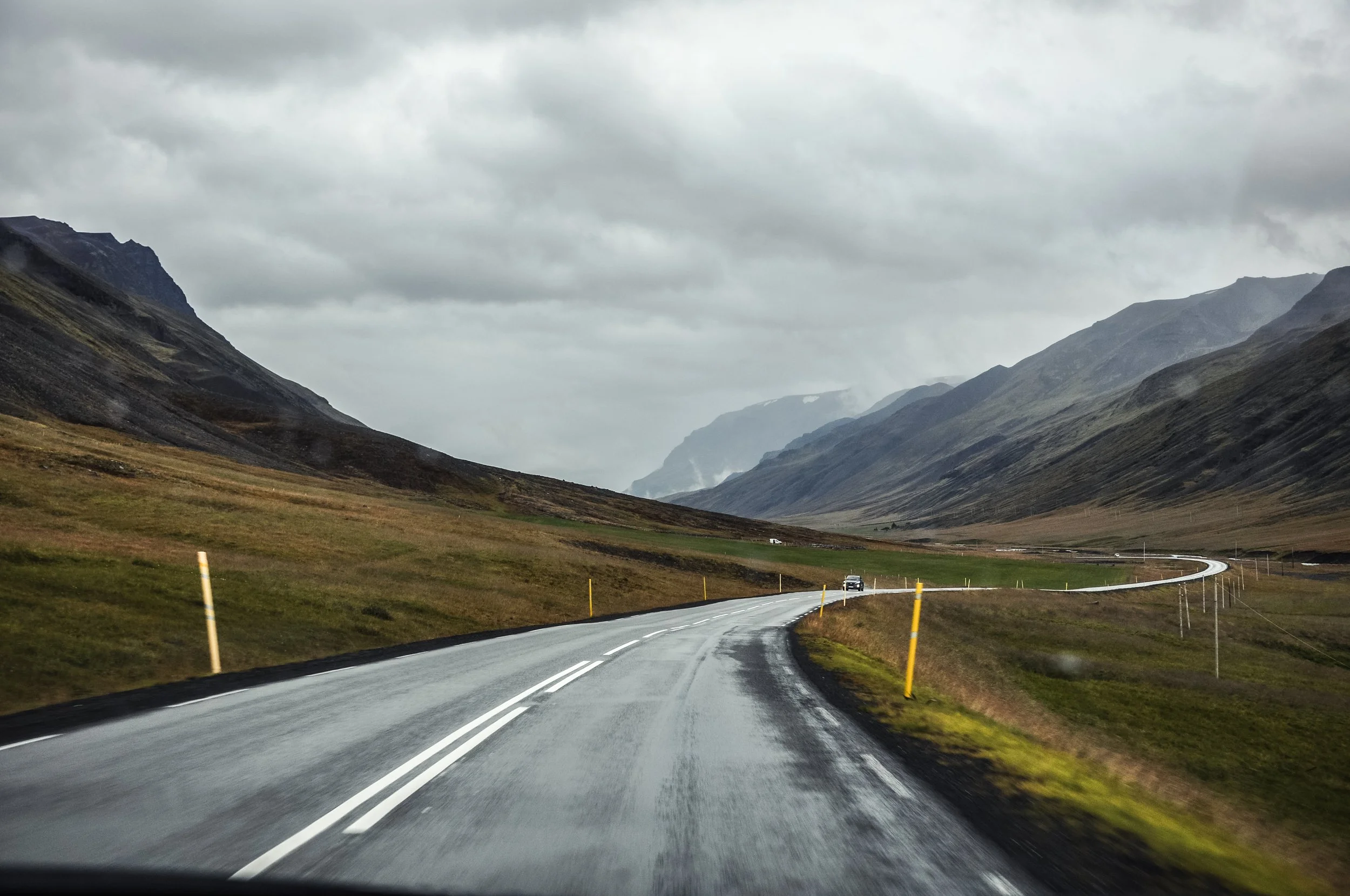
Driving through Iceland is like scrolling through moods. At some point, everything went black in the best way. We explored Dimmuborgir, a lava field full of jagged pillars and twisted rock that looks like it belongs in a fantasy film. They call it The Black Castles, and standing there feels like you've stumbled into an ancient spell. Formed 2,300 years ago when lava flowed over water, steam bubbles created these hollow formations that exist in only two places on Earth: here and at the ocean floor offshore Mexico.
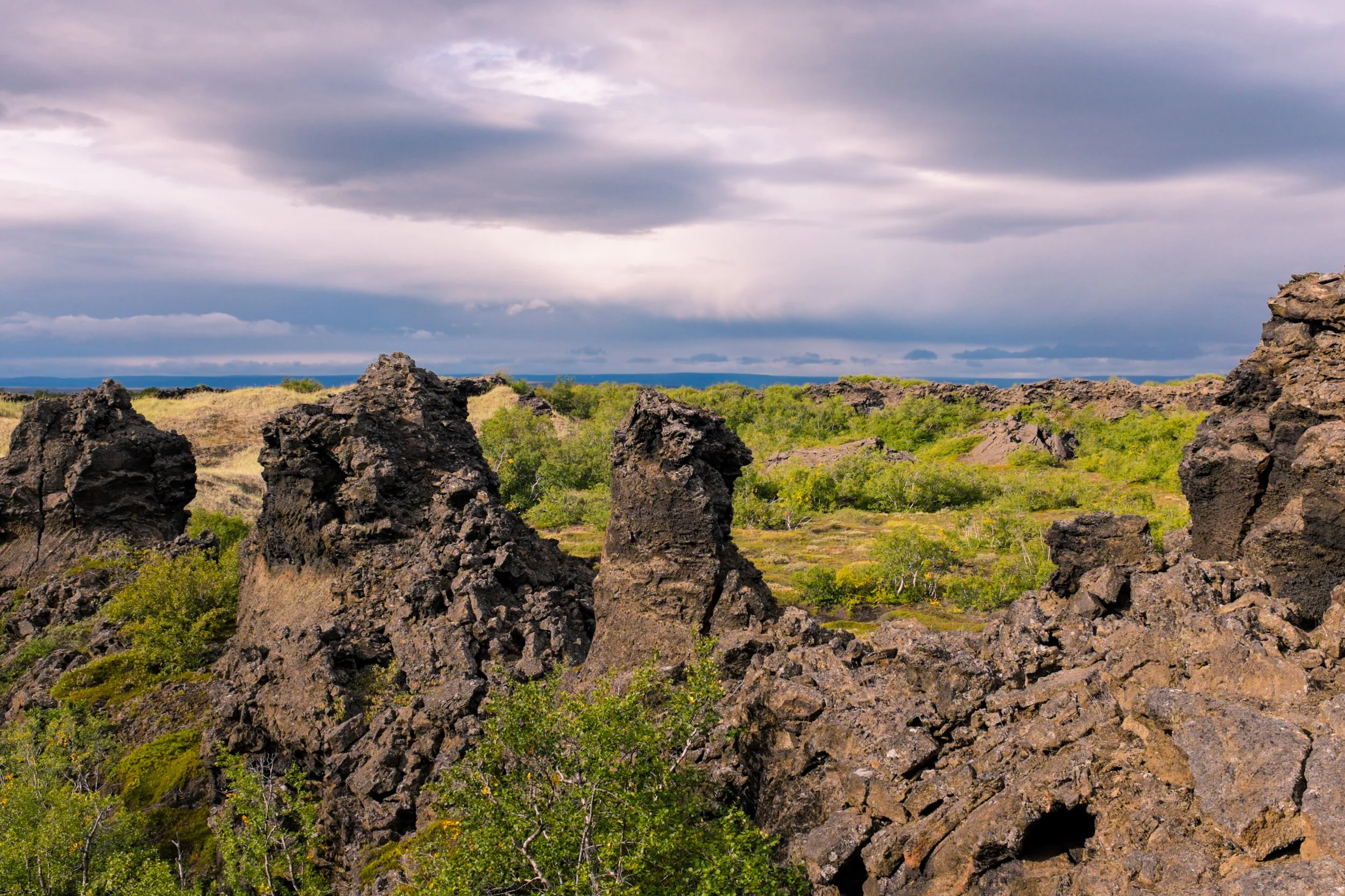
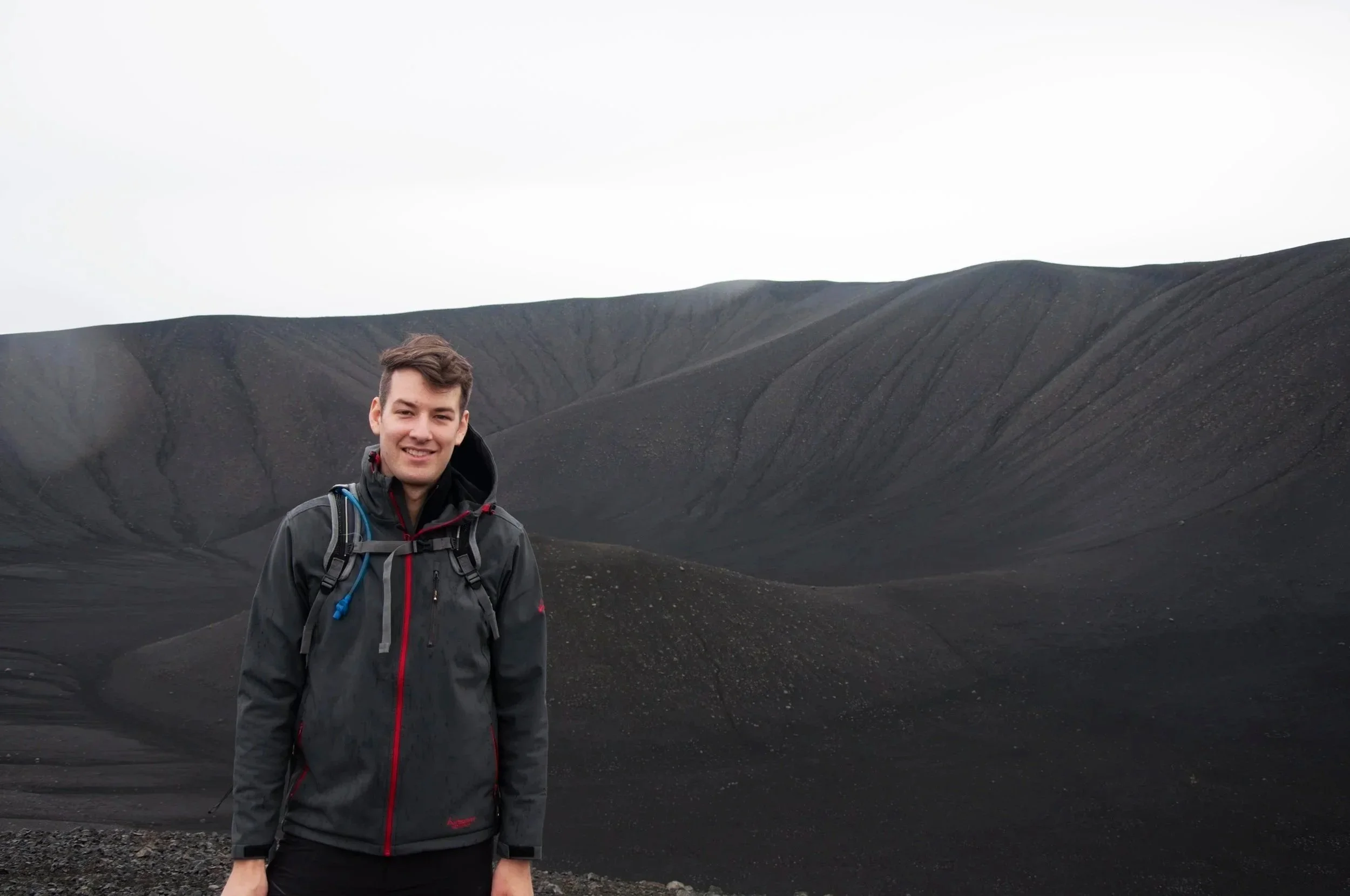
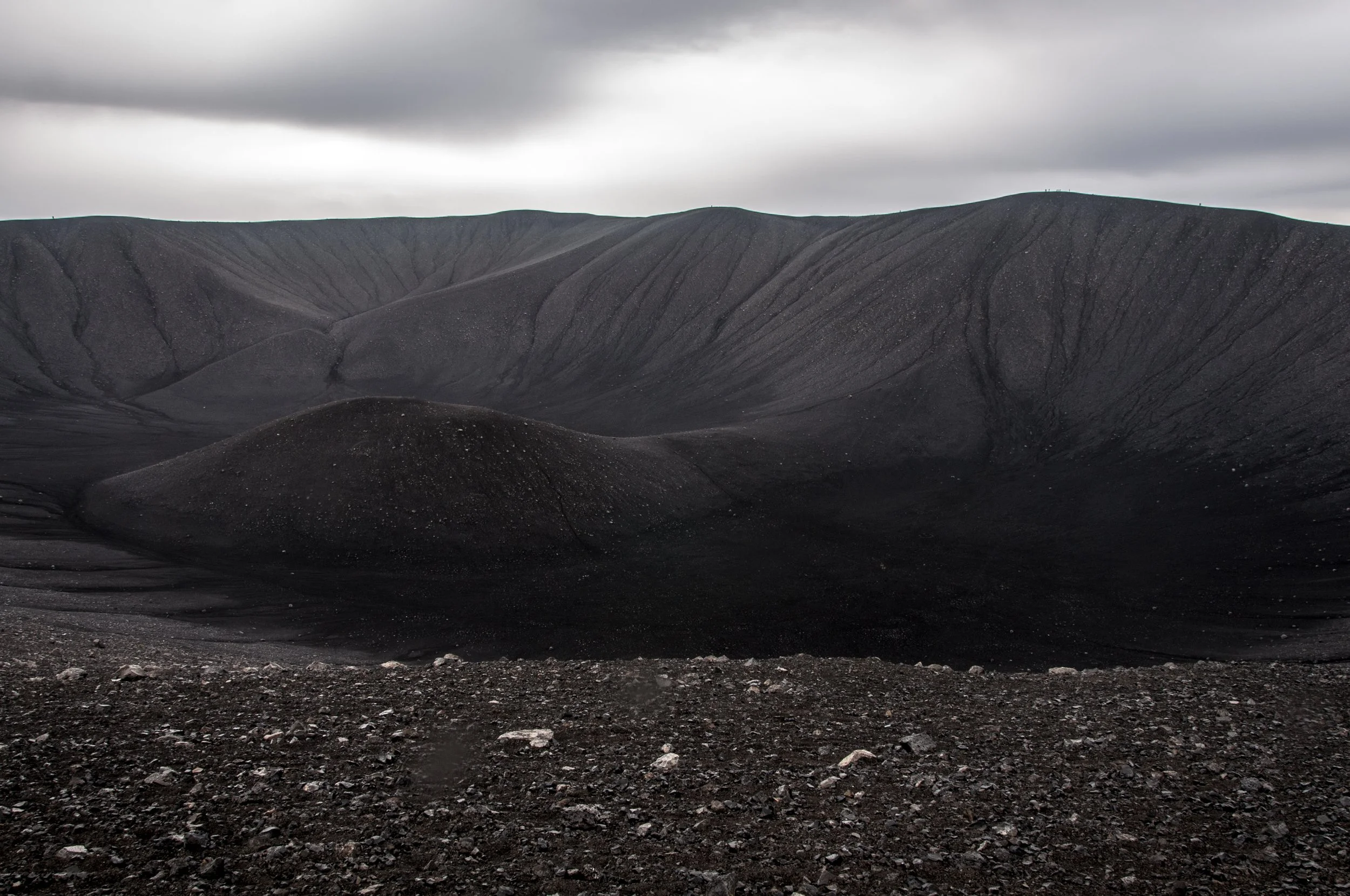
Next up was Hverfjall, a giant crater that erupted 2,500 years ago. It's one kilometer wide, 200 meters deep, and has perfect symmetry that looks suspiciously like someone hit copy-paste. We hiked to the top, sat on the edge, and just let the wind scream at us for a bit.
Jökulsárlón Lagoon. Floating Ice and Soft Light
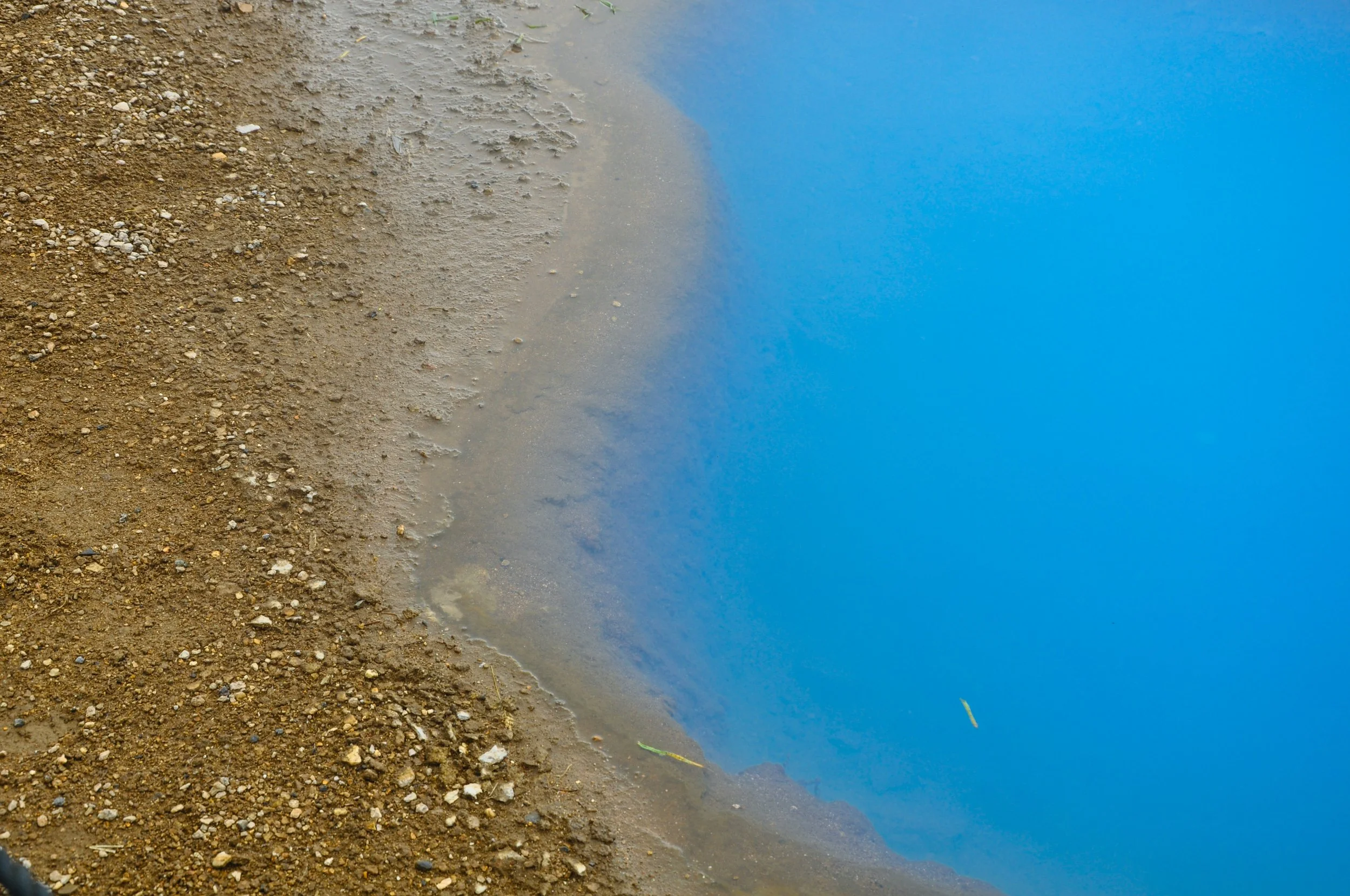
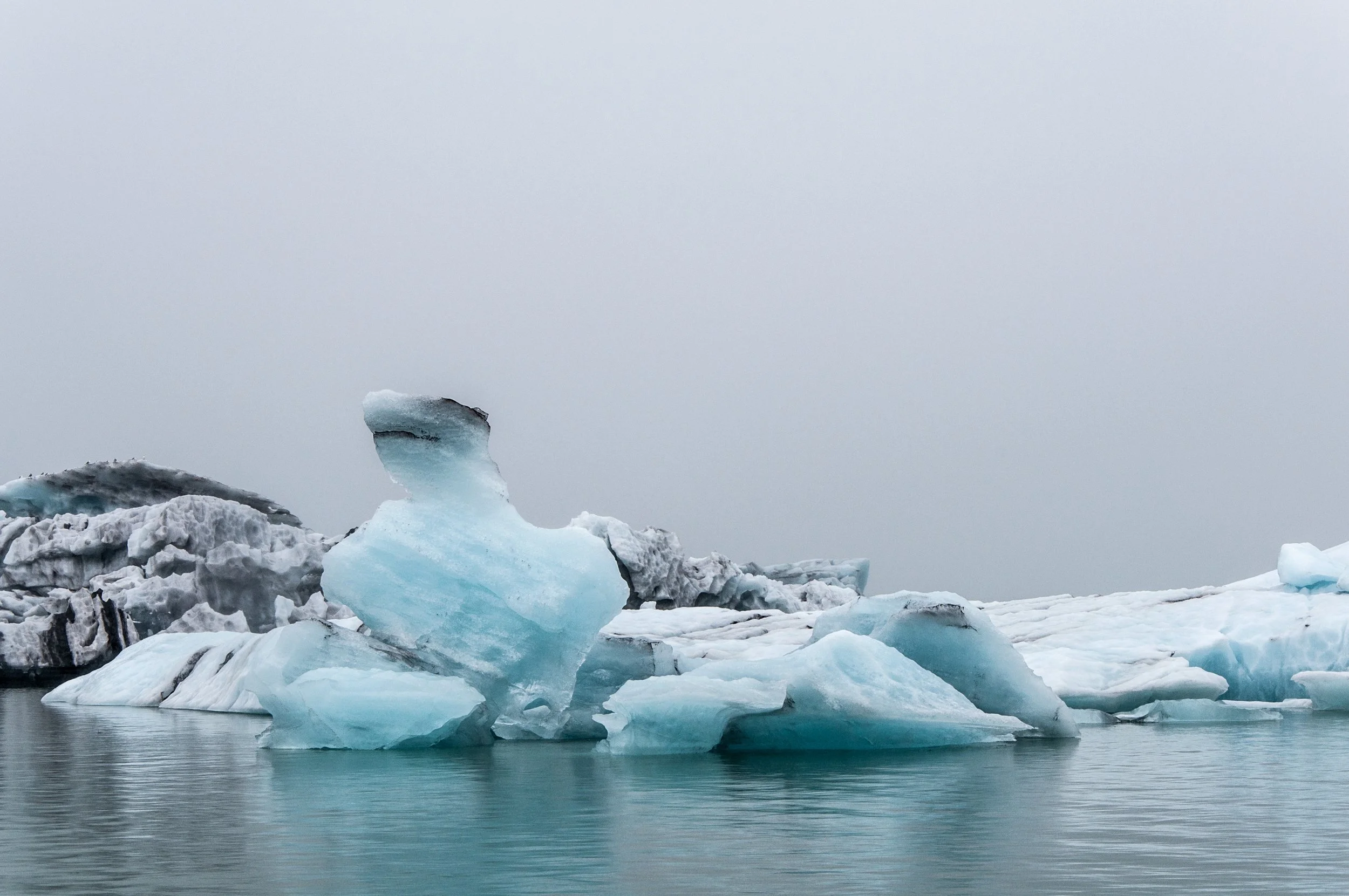
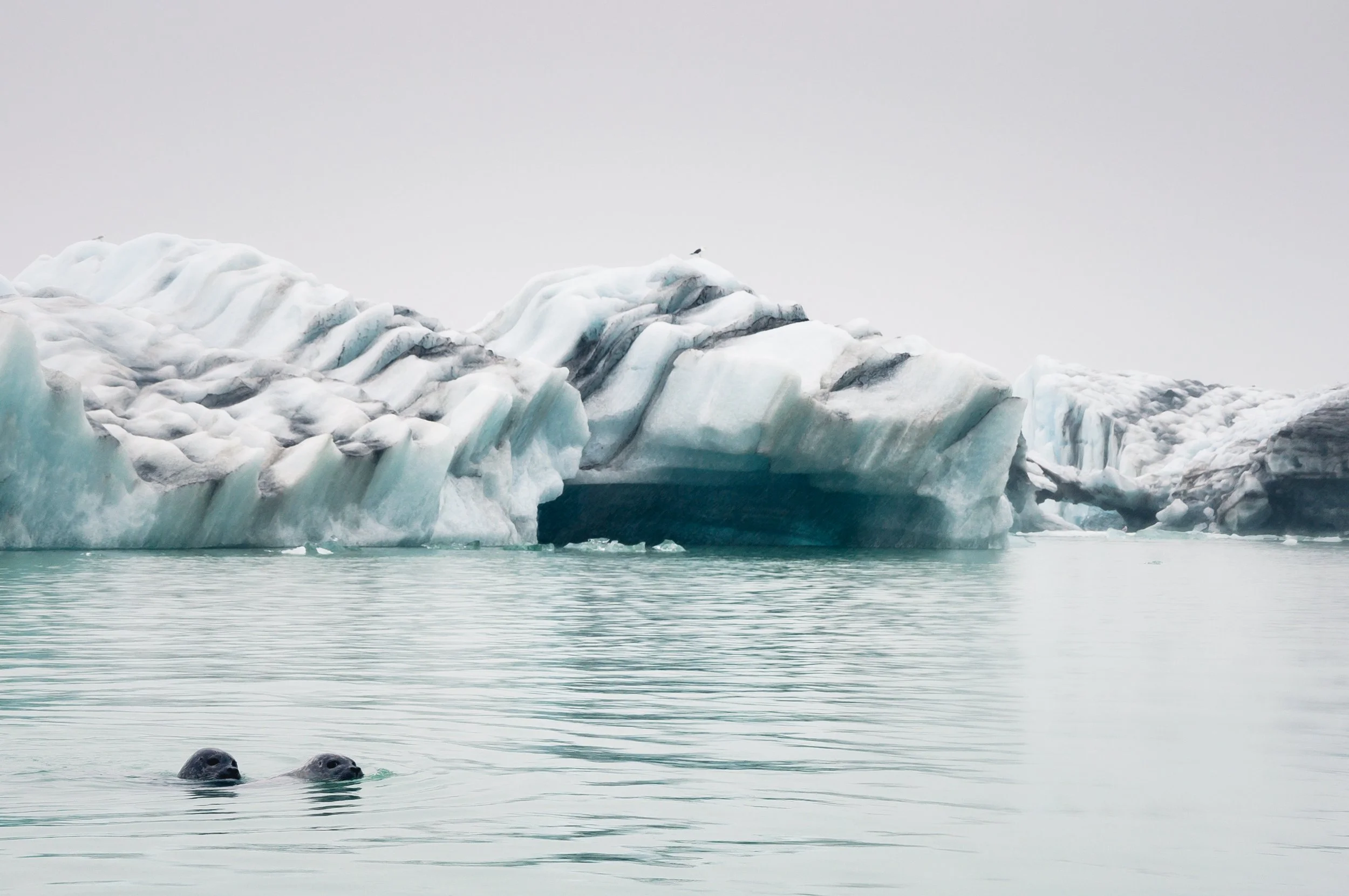
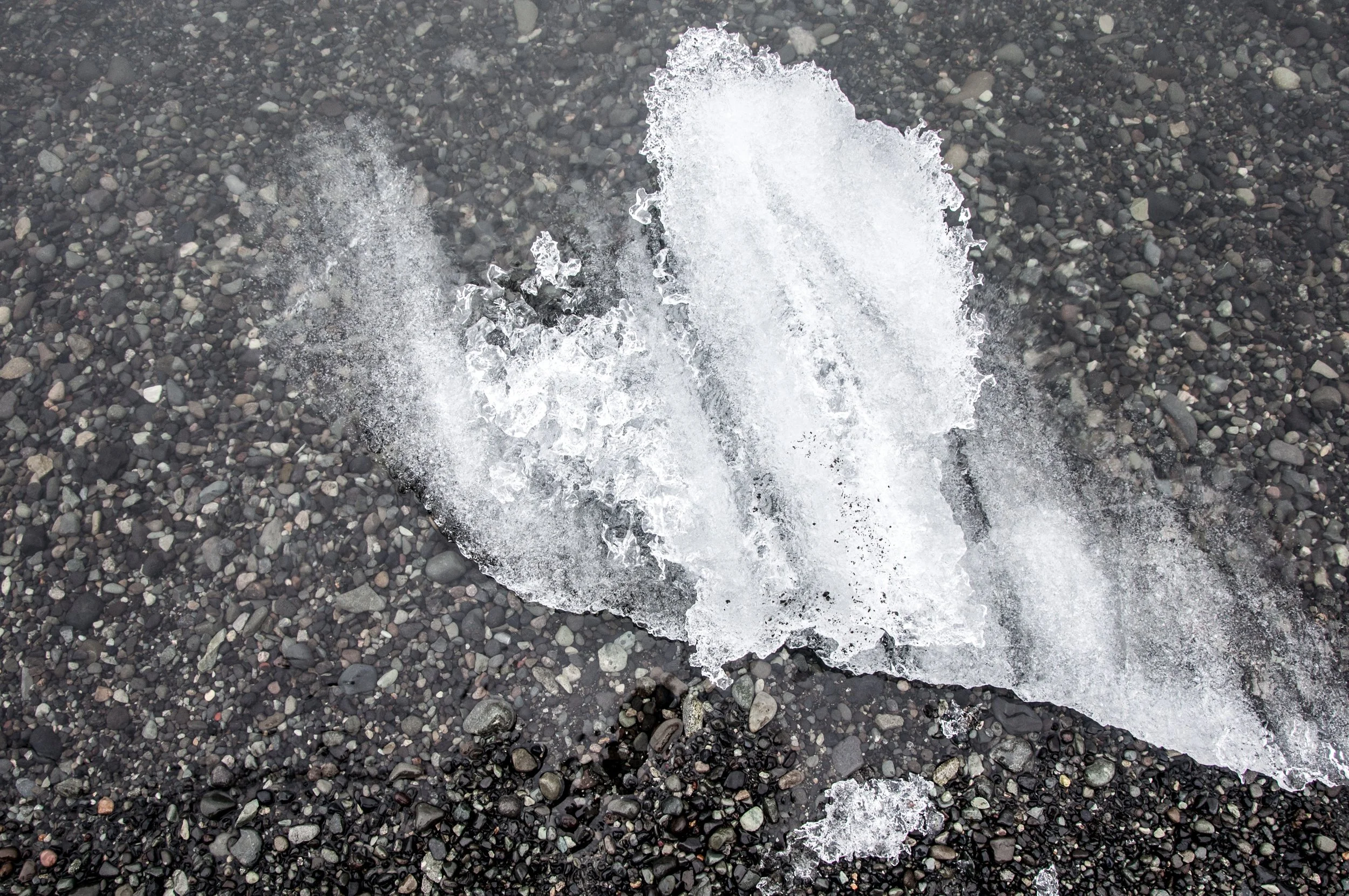
The day started in total dream mode at Jökulsárlón, where giant blue icebergs drift through a glacial lagoon like slow motion sculptures. The lagoon began forming in the ‘30s and has grown several times in size since the ´70s, now covering around 18 square kilometers and reaching depths of about 248 meters, making it Iceland’s deepest lake. The distinctive teal color comes mainly from glacial meltwater filled with fine mineral particles, with some influence from saltwater as the lagoon connects to the Atlantic Ocean via the short river channel Jökulsá. Some of these icebergs contain ice up to around 1,000 years old, calved from Vatnajökull, Europe’s largest glacier. We spotted seals, froze our fingers taking photos, and soaked in the silence. It was cold, calm, and otherworldly.
Hike, Glacier, Chaos, Repeat. A Double Dose of Ice Drama
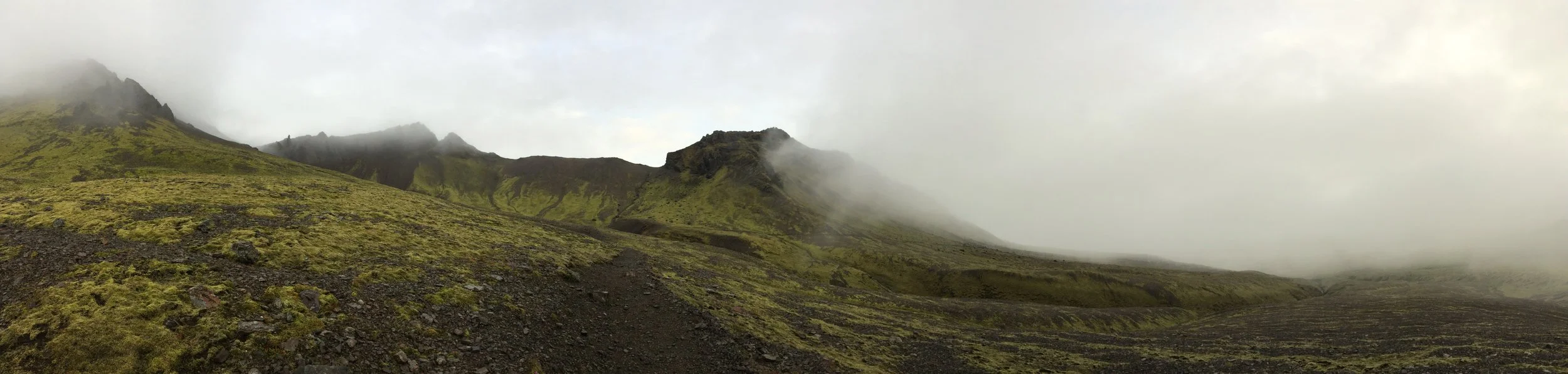
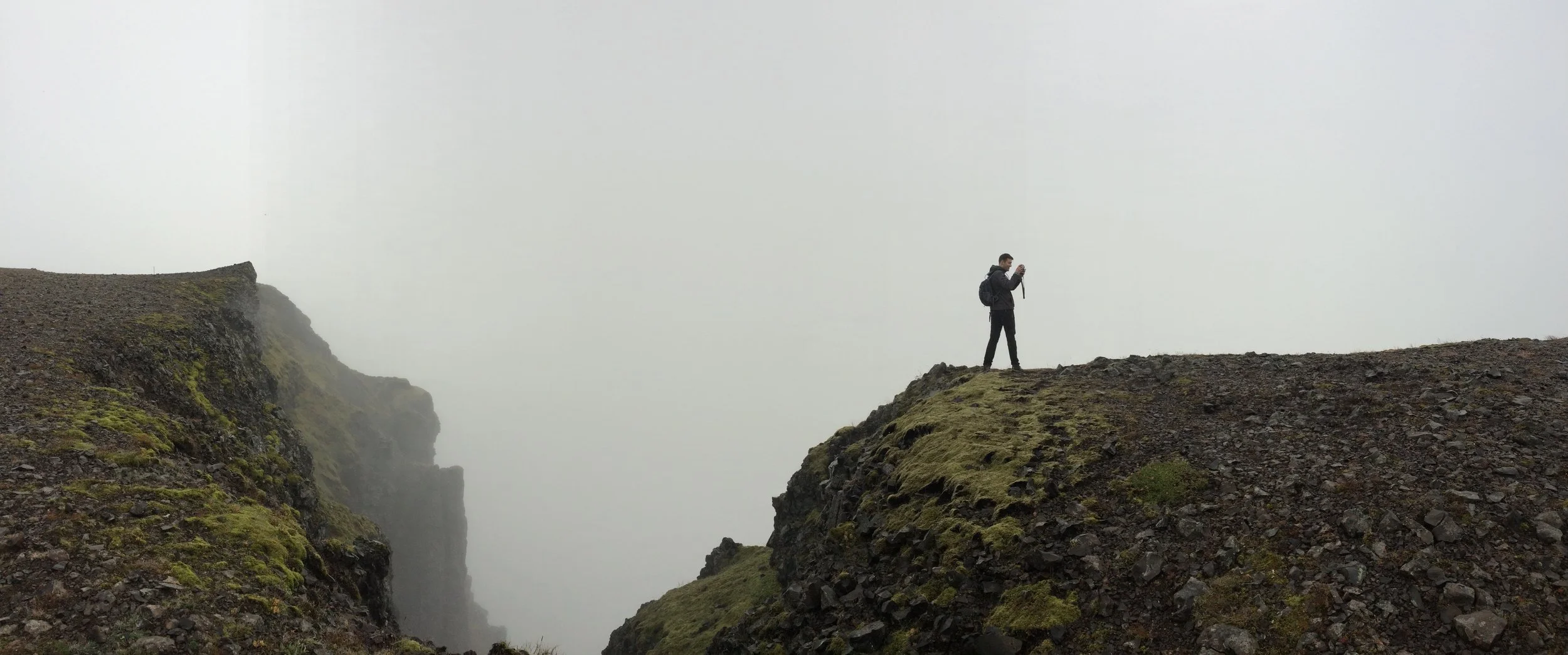
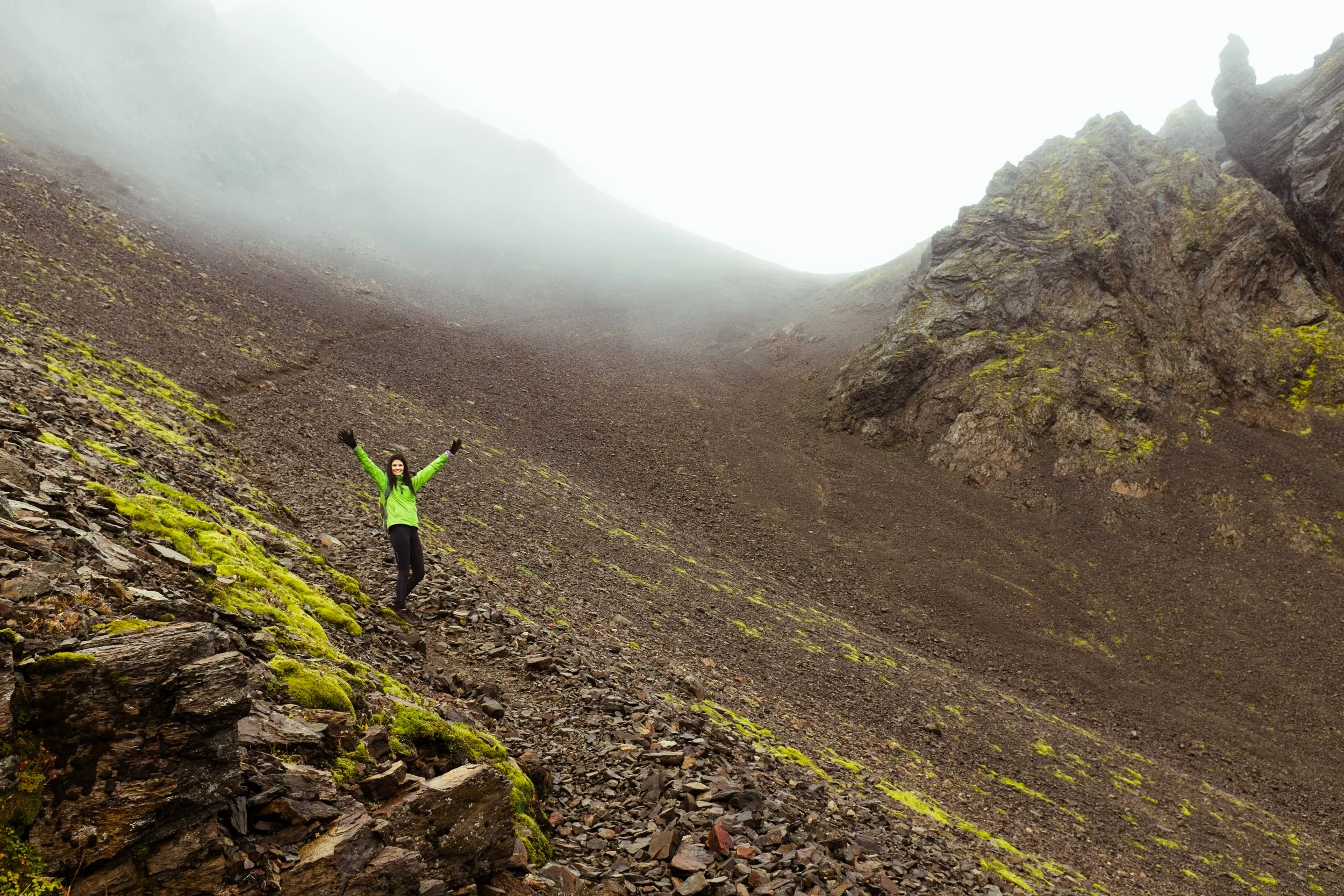
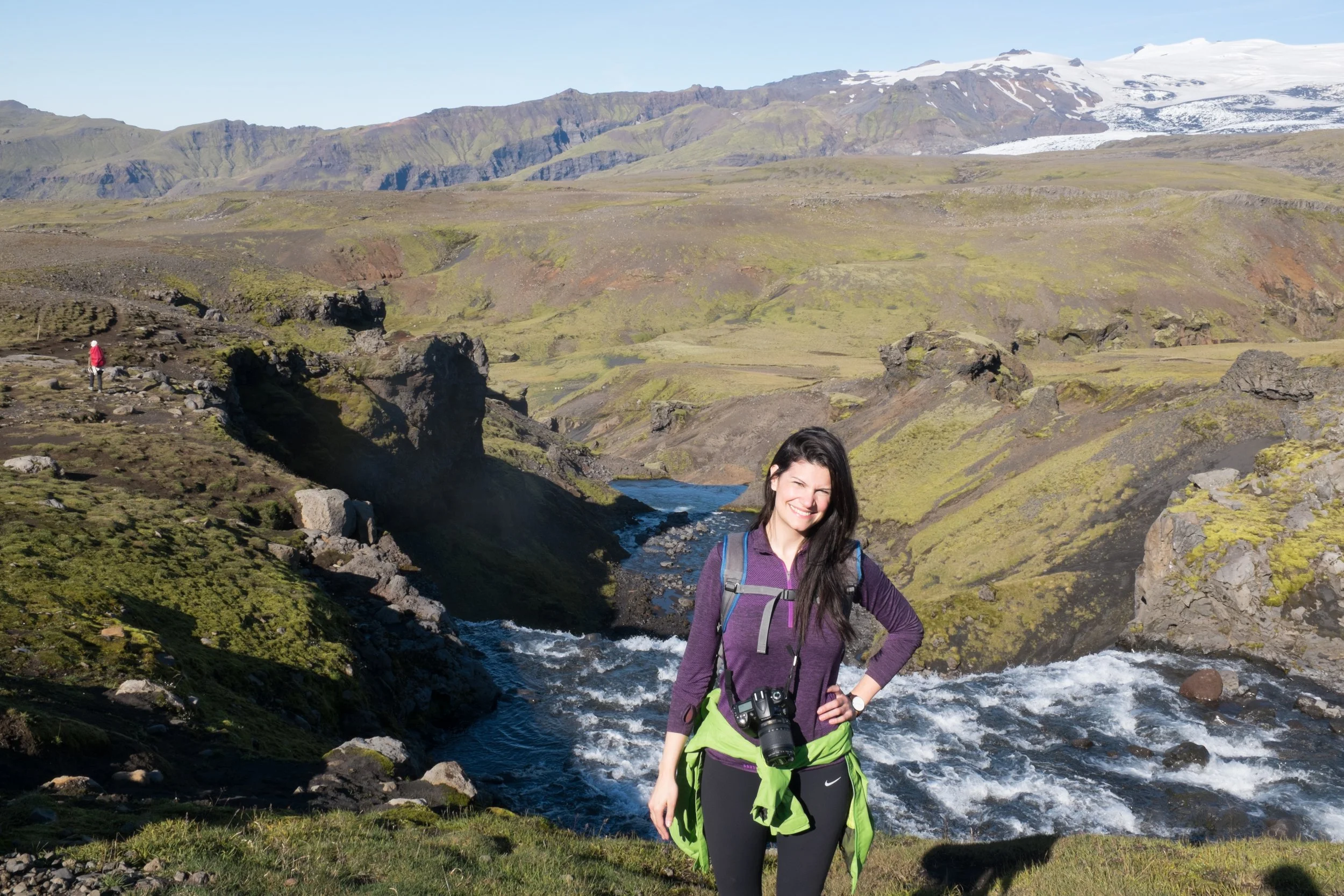
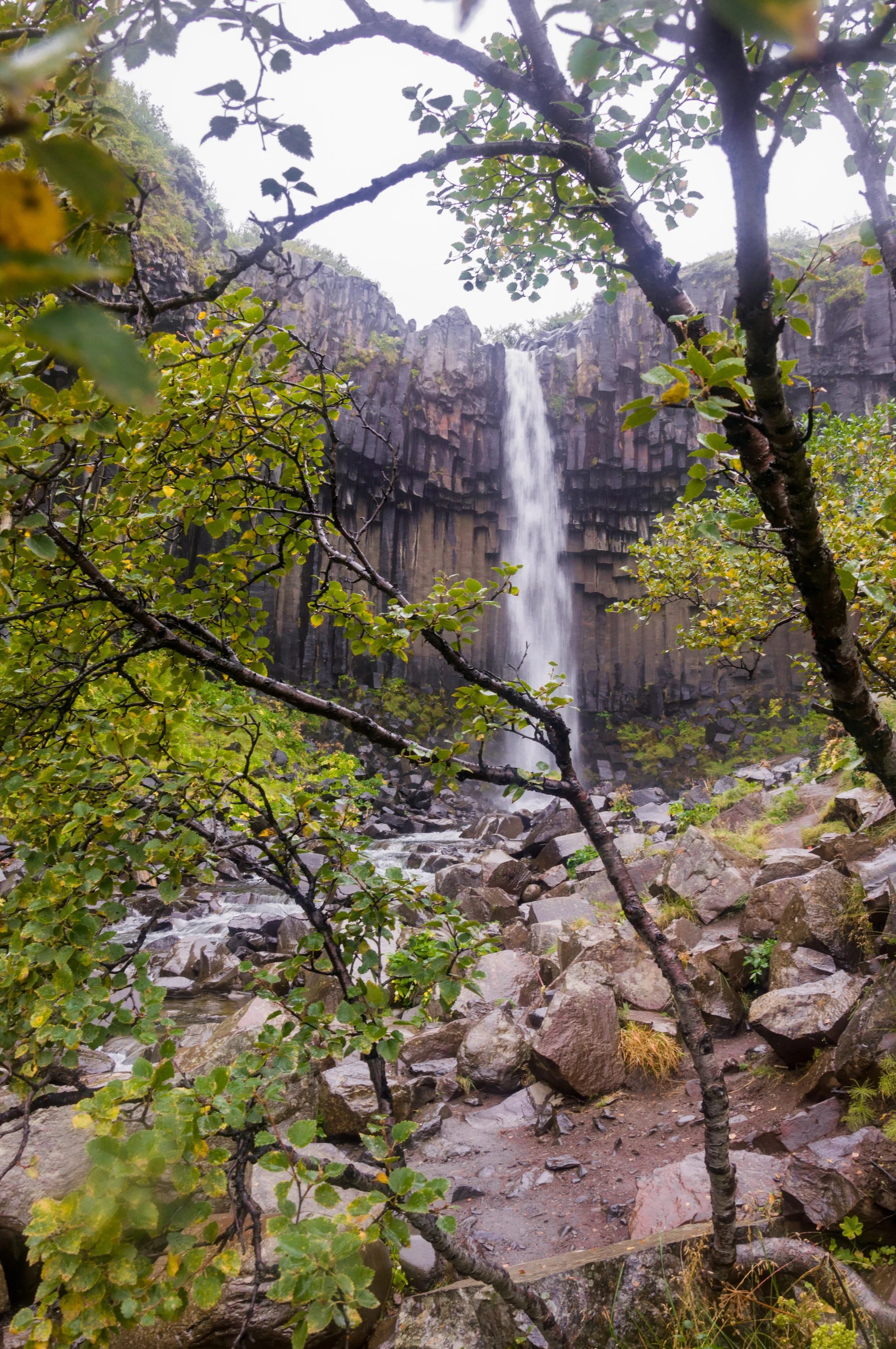
After a dreamy morning at Jökulsárlón Lagoon, we headed to Skaftafell National Park and took on the Kristínartindar loop. It started soft. Mossy trails. Waterfall views. The iconic Svartifoss framed by black lava columns. But the higher we climbed, the wilder it got. Fog. Rain. Broken trail markers. A last push that felt like climbing into the sky.
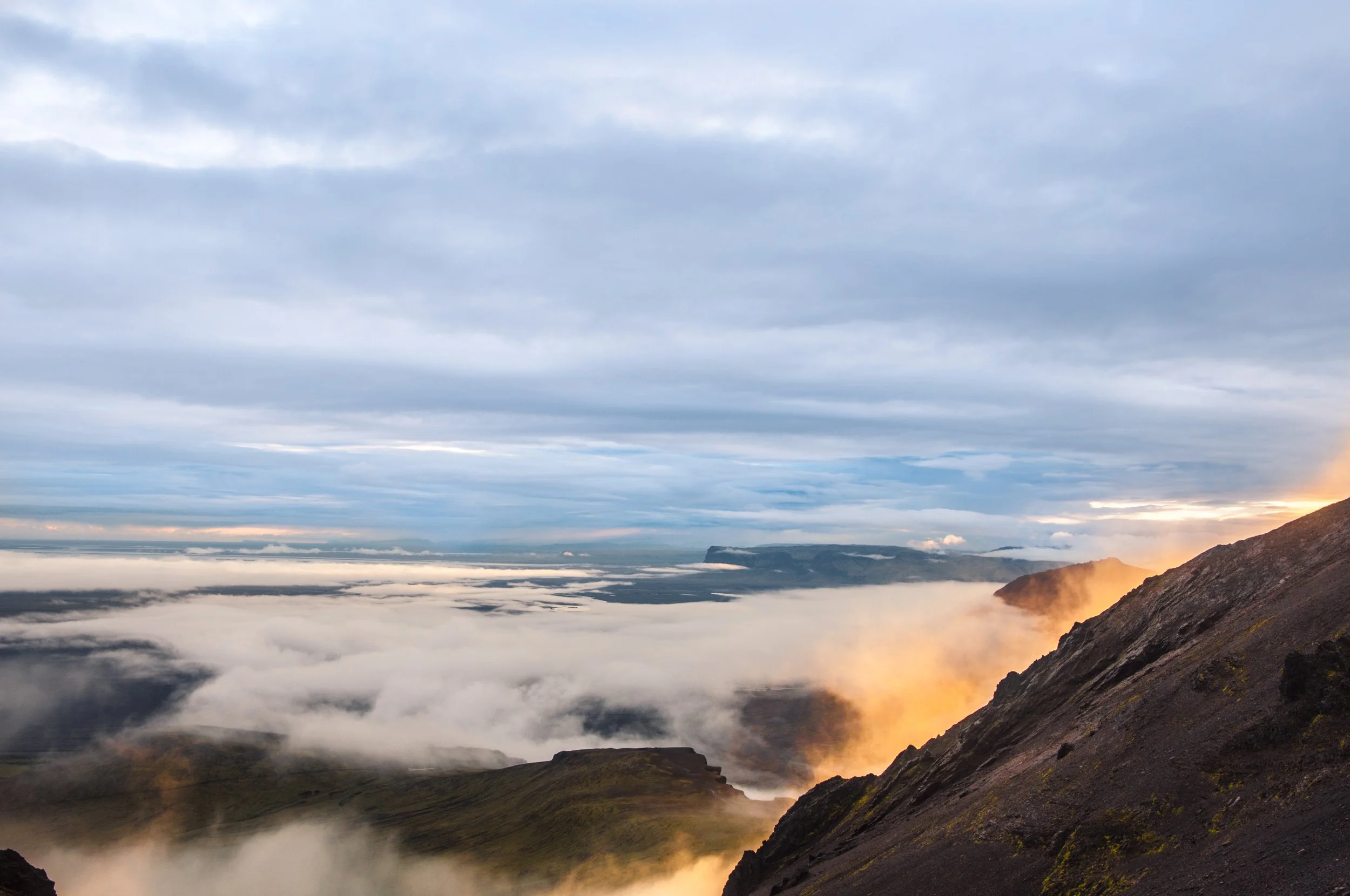
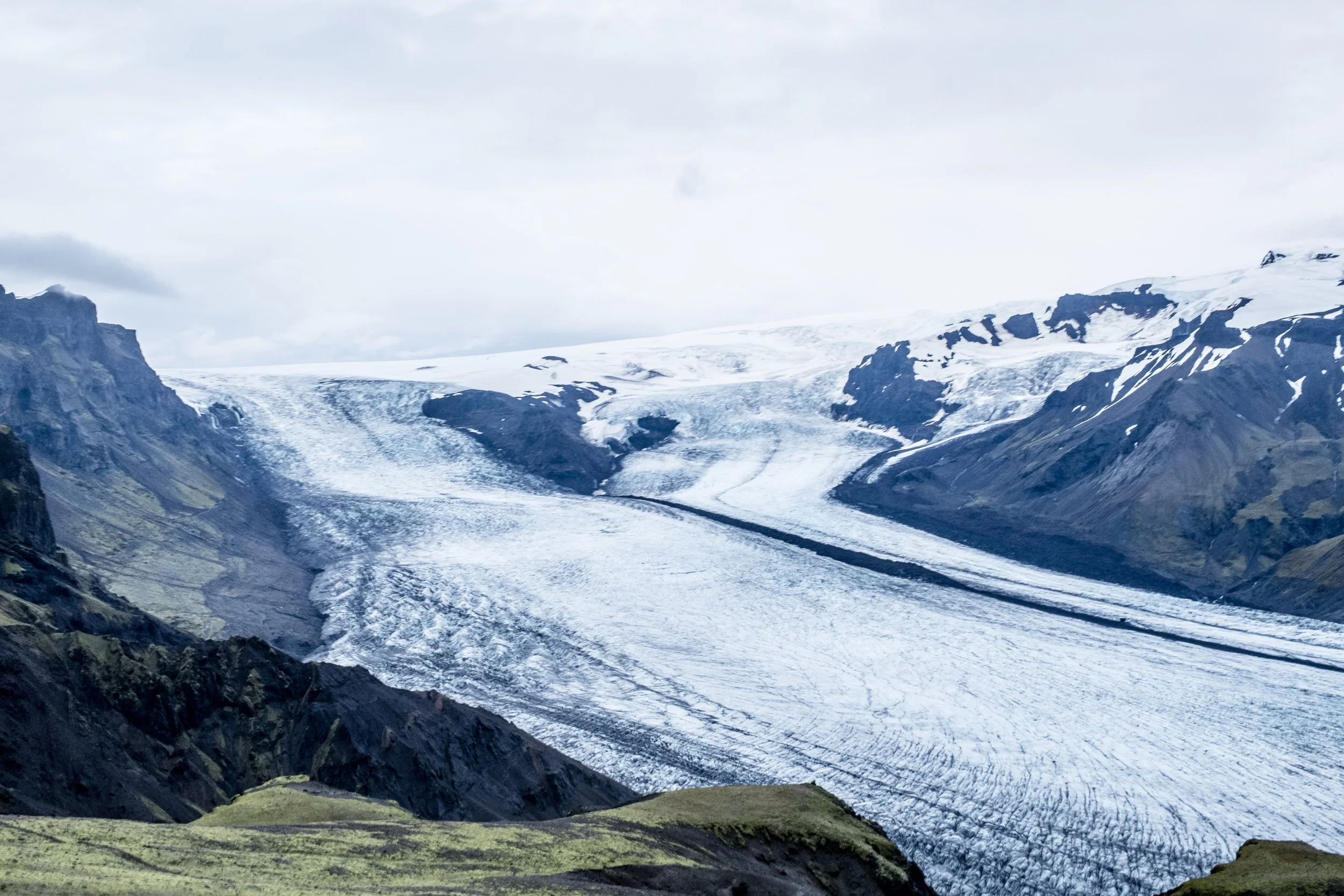
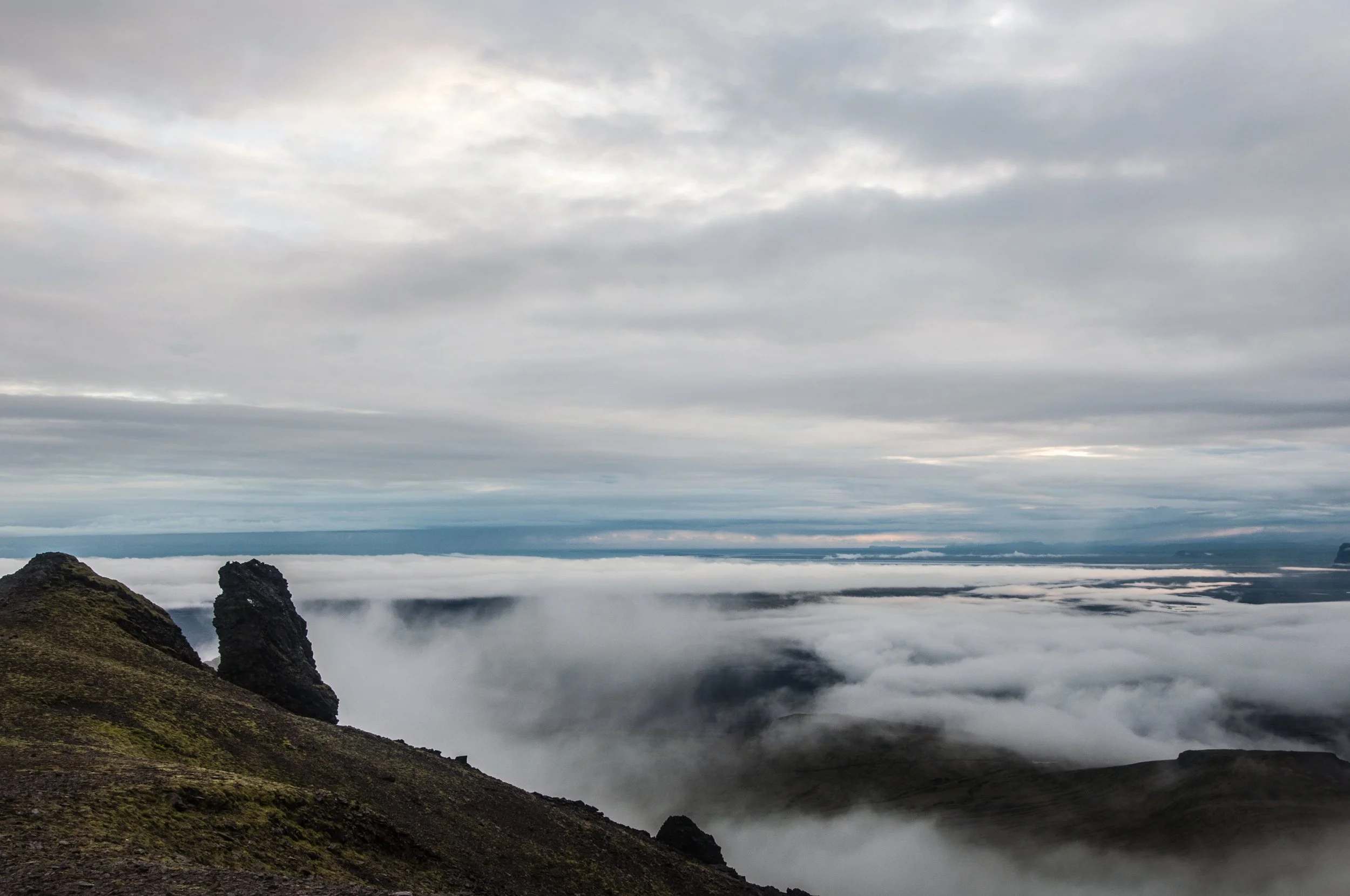
At the ridge, we stood above the clouds with the glacier Skatafellsjökull glowing in the distance. It was quiet, cold, and absurdly beautiful. Then night fell. Felix’s phone died. Mine became our only light. We hiked down with frozen fingers, moonlight, and nerves made of stubbornness. My phone died just as we reached the car. Iconic.
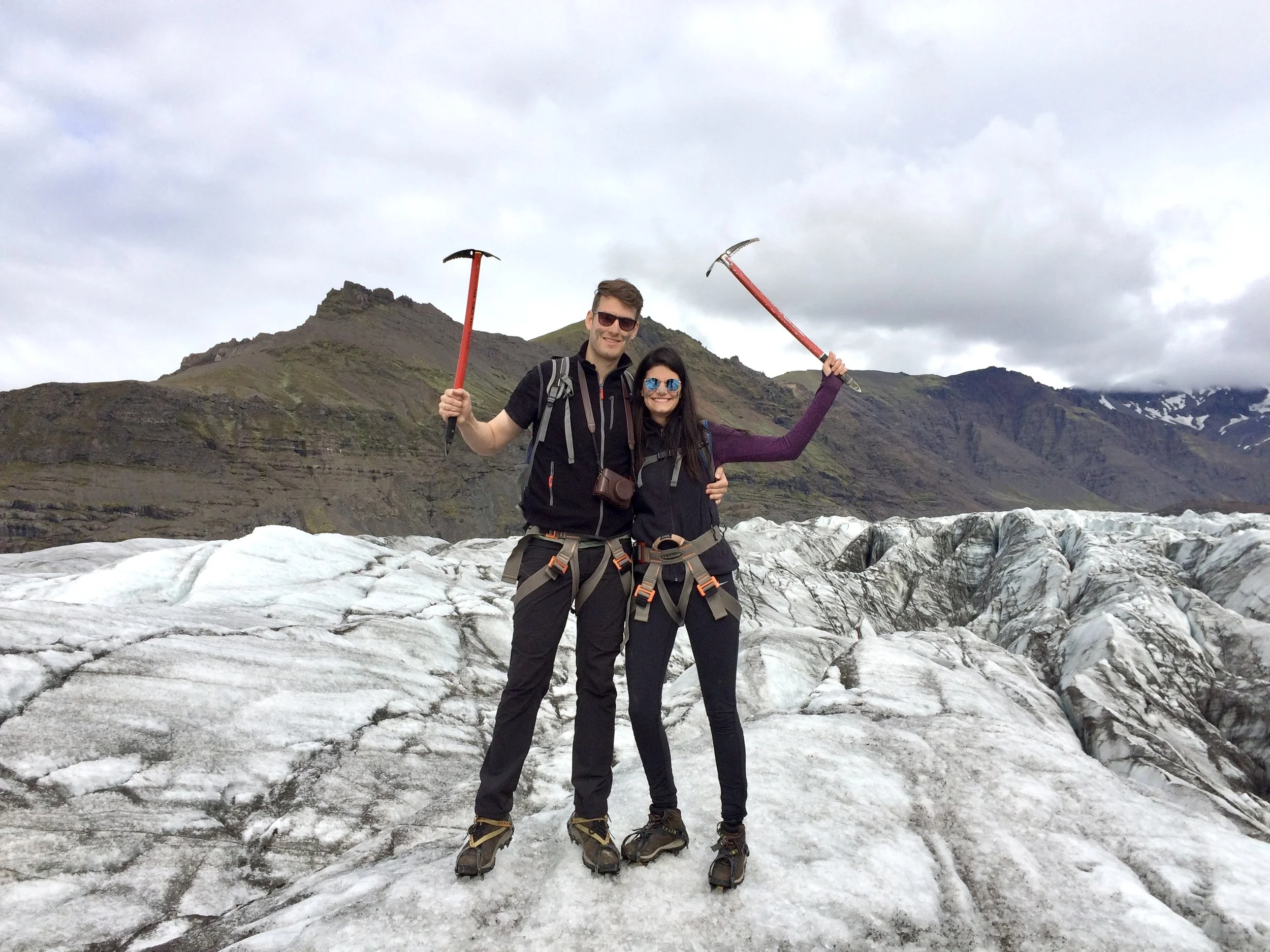
The next day, still buzzing, sore, and slightly traumatized, we decided to face the glacier up close. We booked a Svínafellsjökull glacier hike. Full gear. Ice axes. The terrain was wild but felt safe. This time, no fog, no panic. Just crunchy ice under our boots and peace.
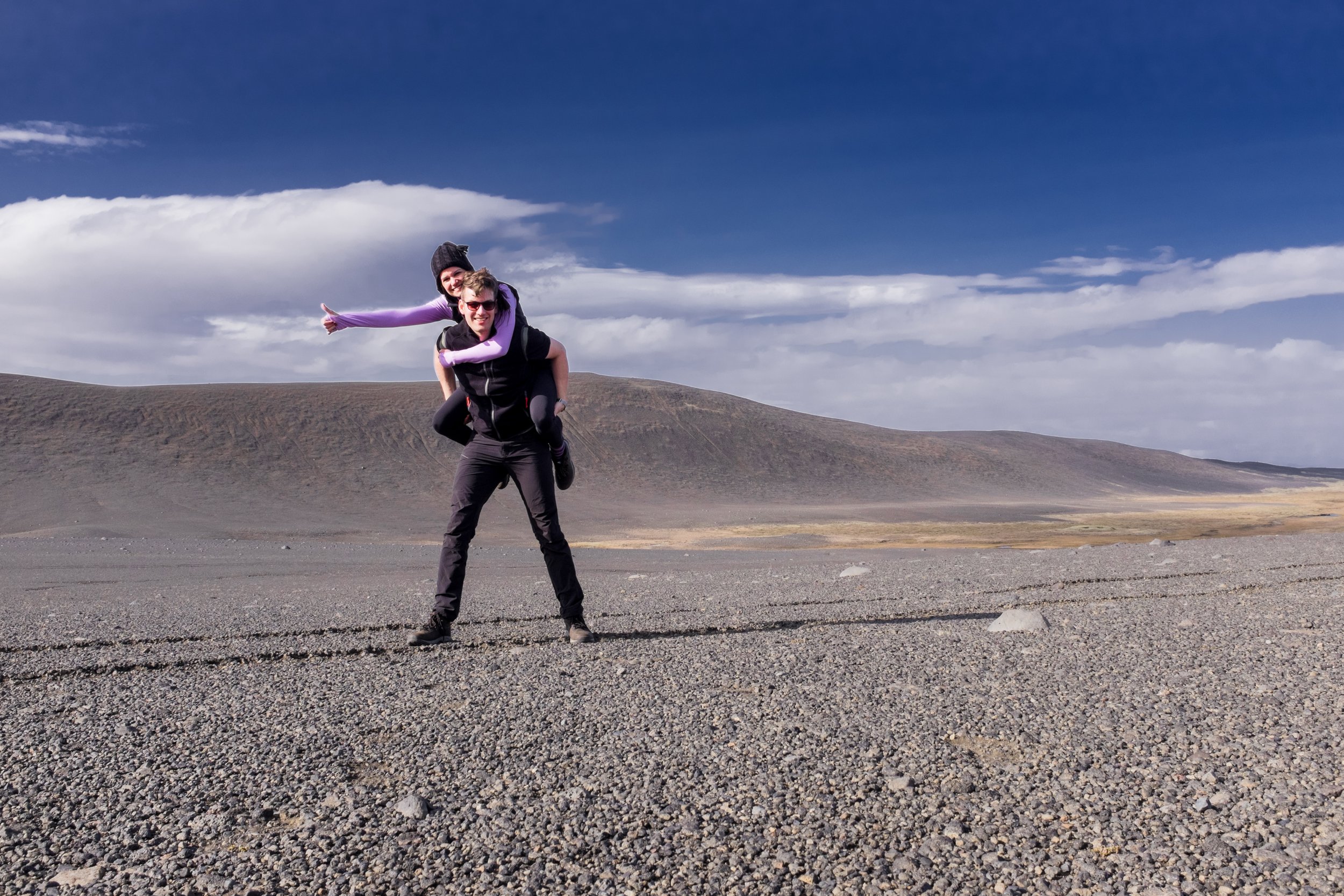
Moonscapes and Highland Crossings
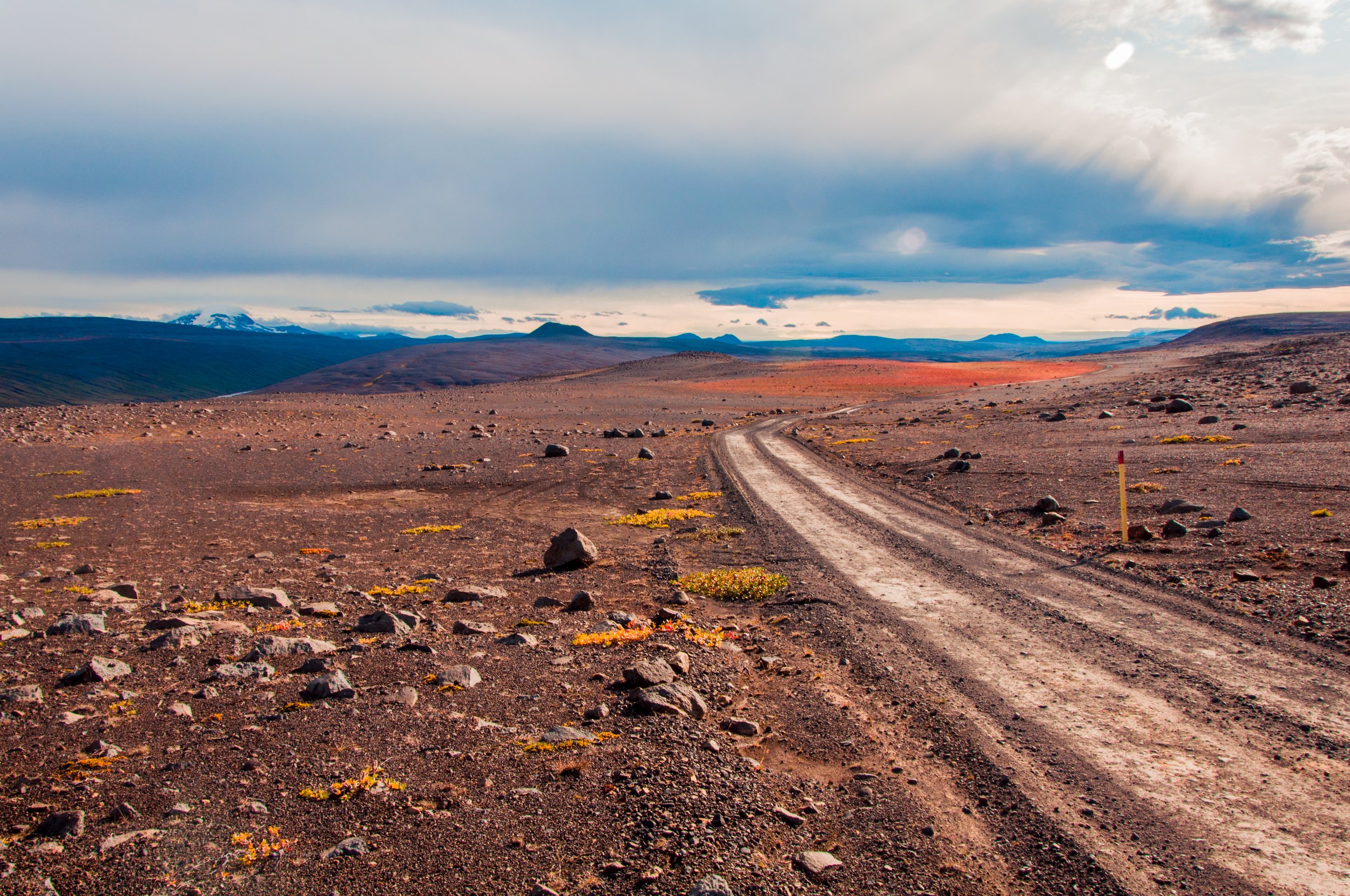
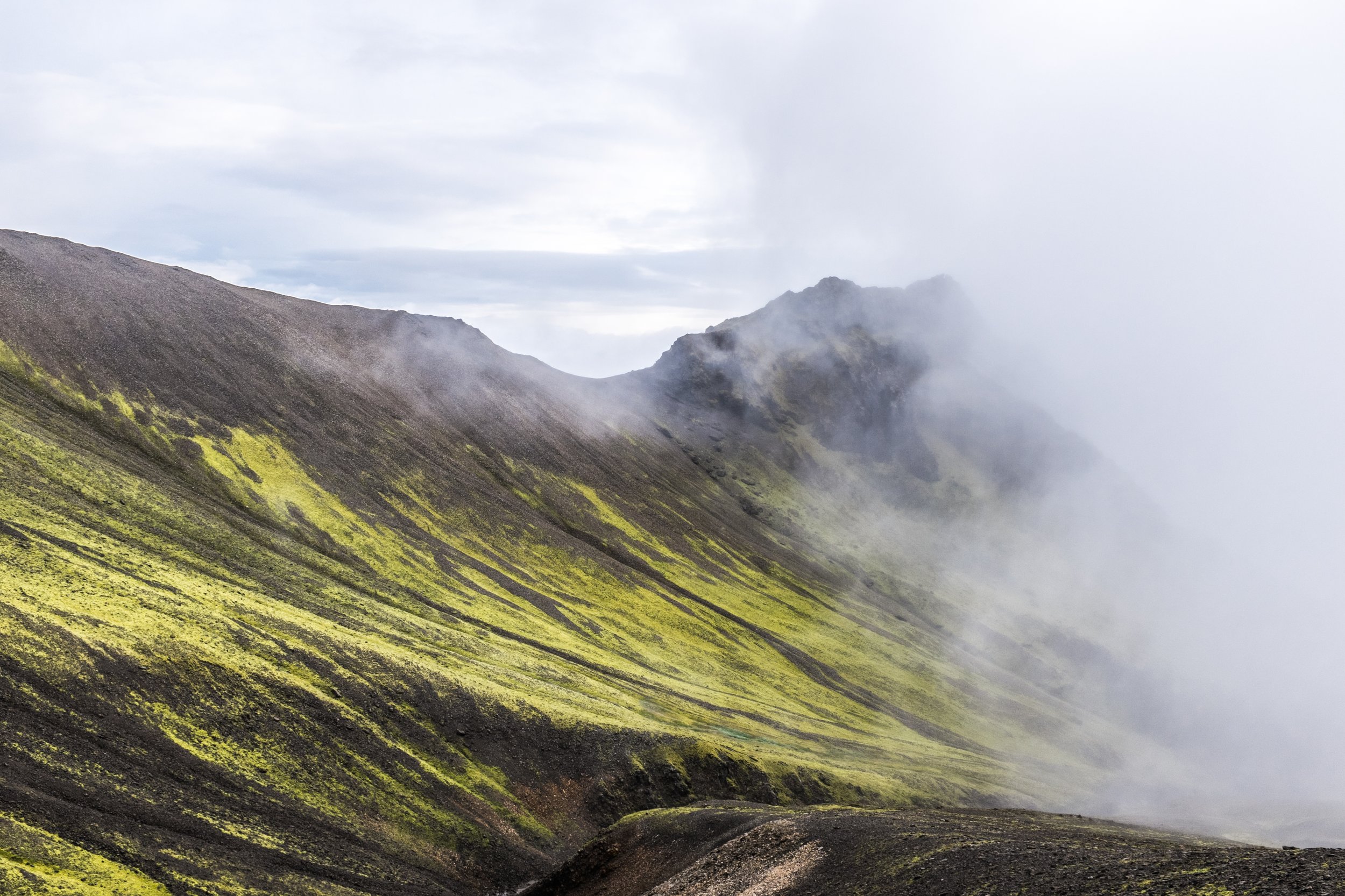
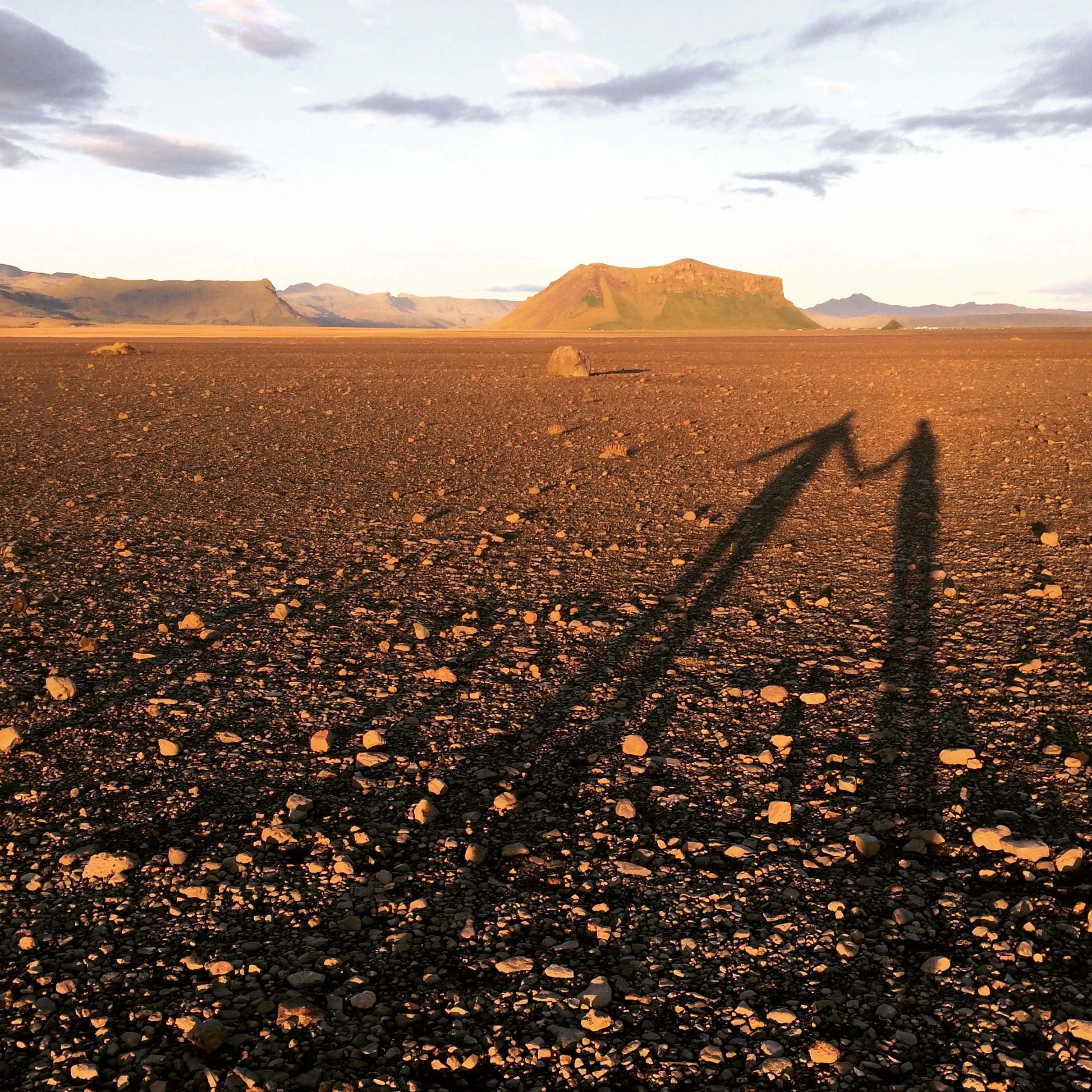
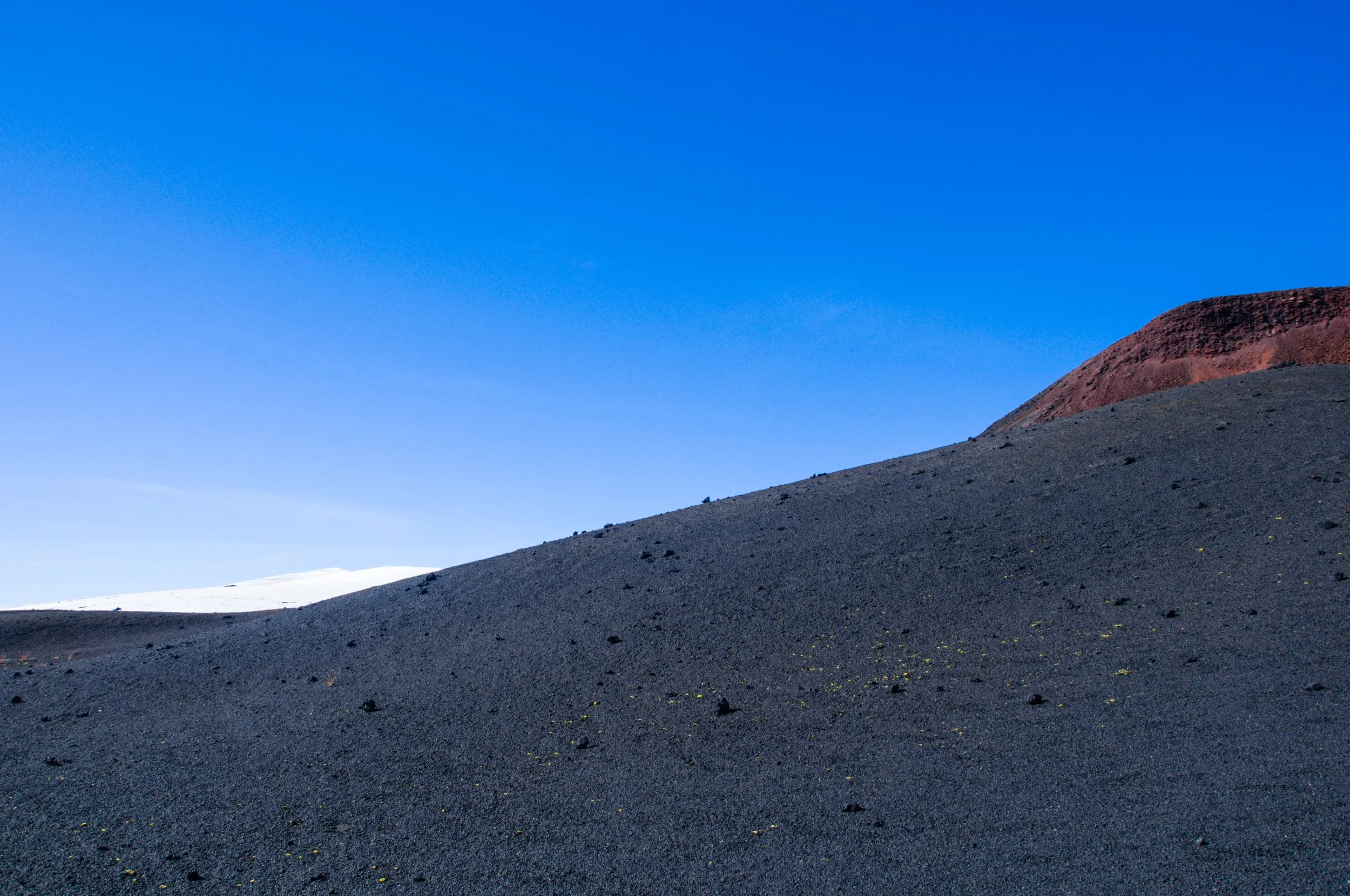
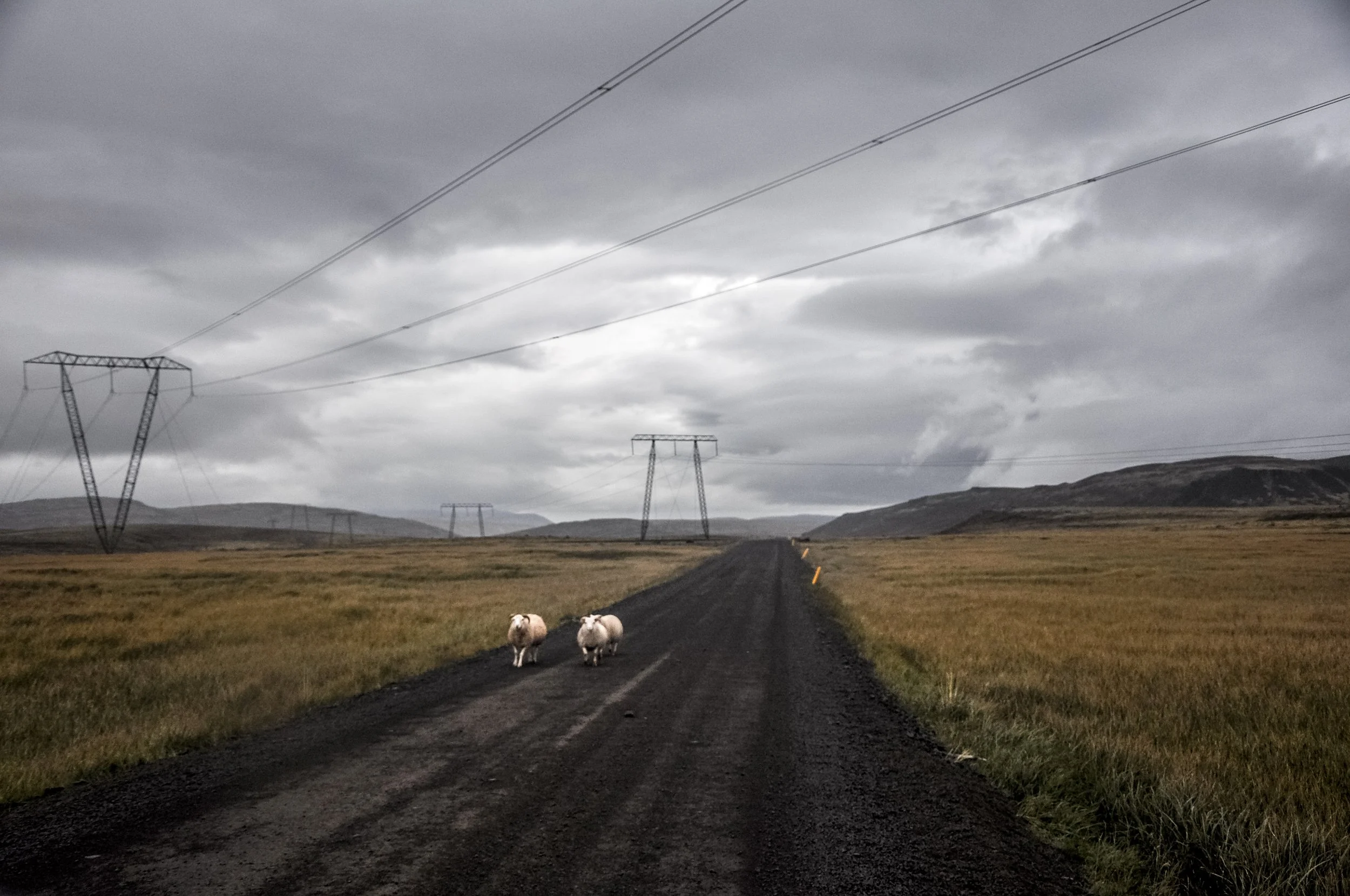
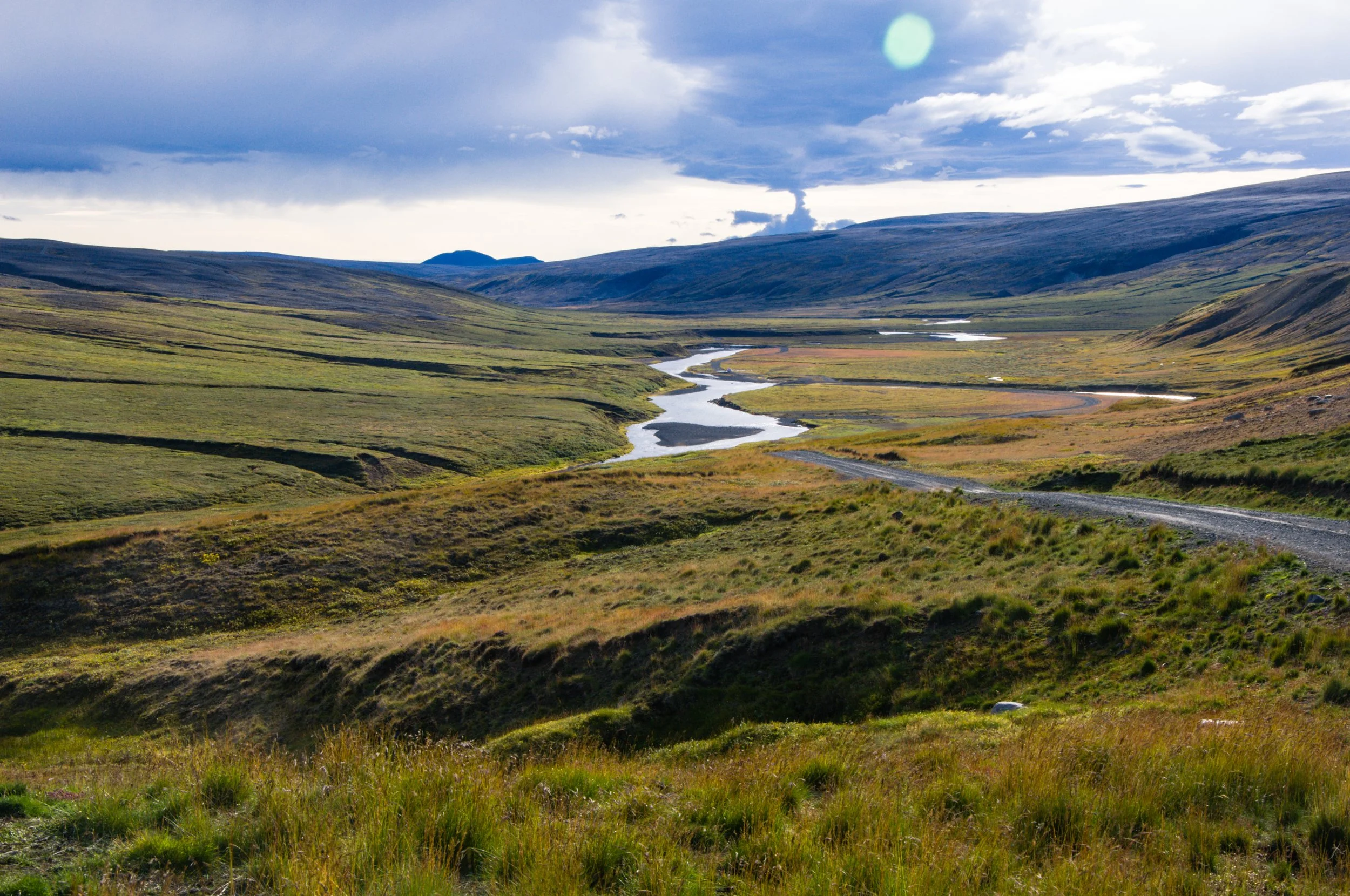
This volcanic desert sits along the highland crossing between Mývatn and southern Iceland, part of Iceland's vast interior that remains barren and lifeless. The landscape is composed of volcanic tephra and ash creating an environment so geologically raw that virtually nothing grows here. What makes this terrain genuinely alien is that it hasn't yet been colonized by Iceland's pioneer mosses and grasses, leaving it in a rare state of geological nakedness that few visitors witness.
Plane Crash on the Beach. But Make It Cinematic
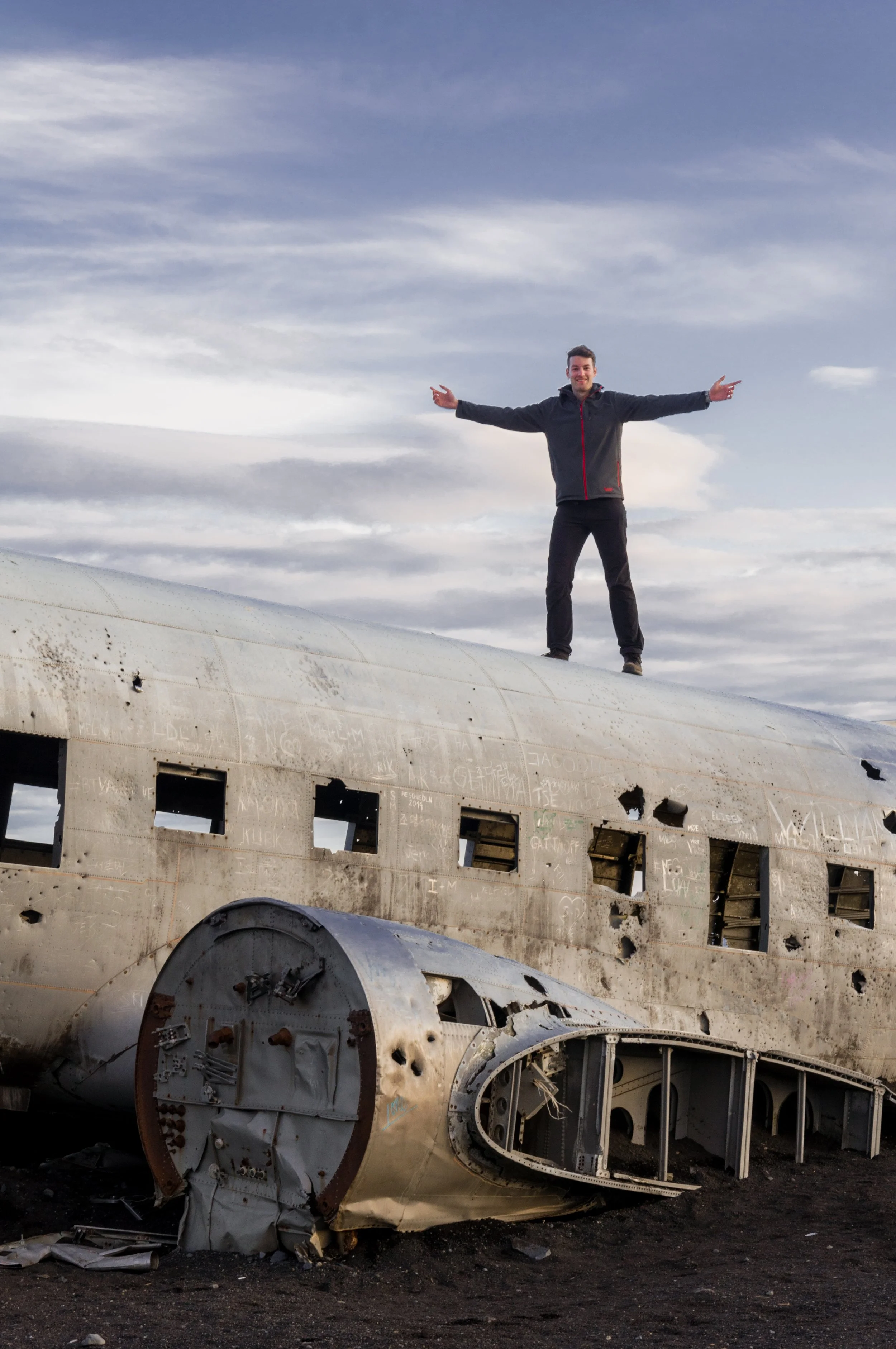
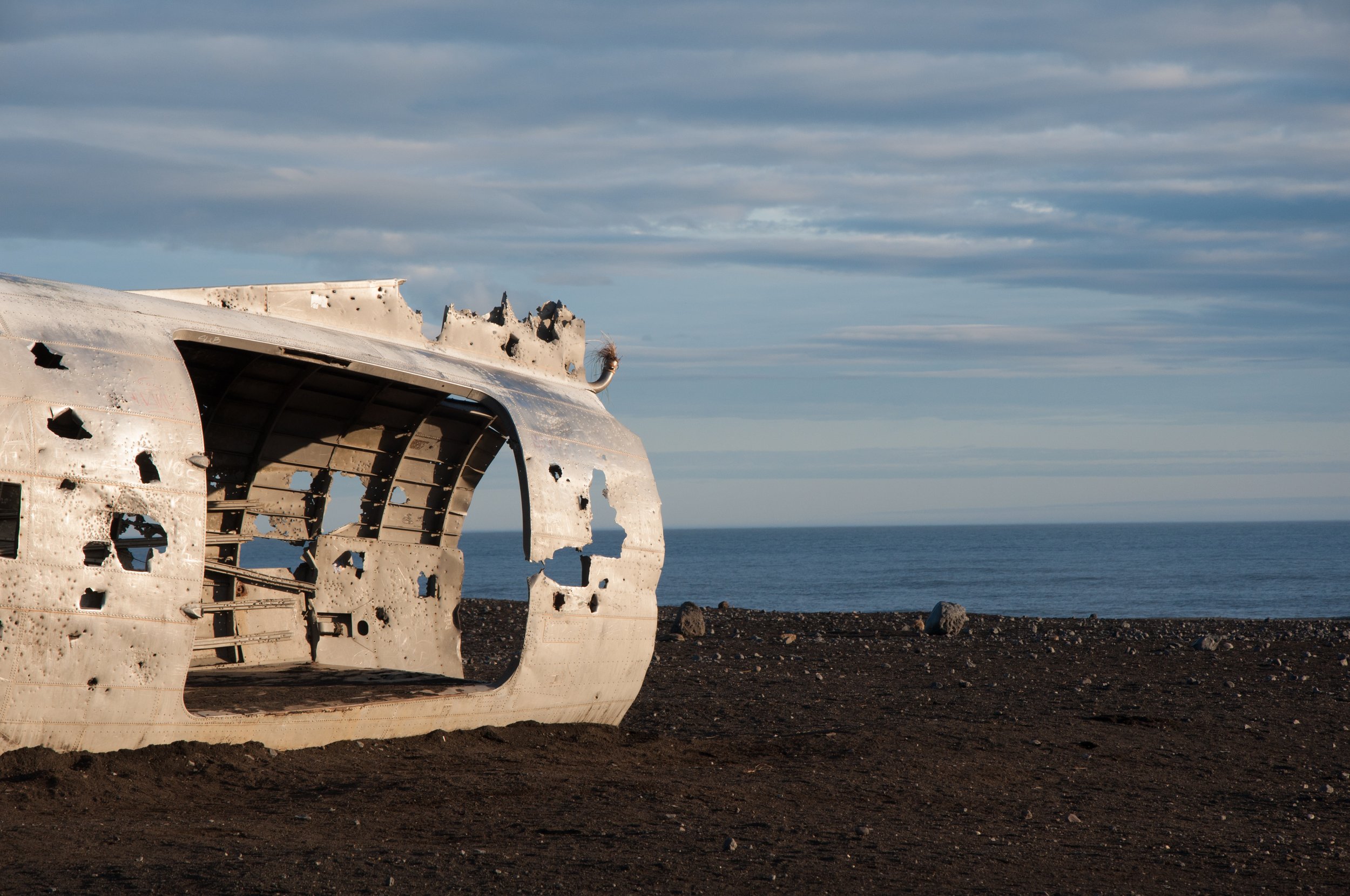
Yes, the Sólheimasandur plane wreck is just sitting there on a black beach like a prop from Dune.
In 1973, a US Navy plane crash landed there. Everyone survived. Now, the wreckage is an eerie, minimalist structure surrounded by nothing but volcanic sand and sky. It’s a long walk in and we loved it! Bring snacks, a camera, and your best “I’m in a music video” energy.
Fimmvörðuháls: Iceland’s Legendary Hike
📍Between Skógar and Þórsmörk
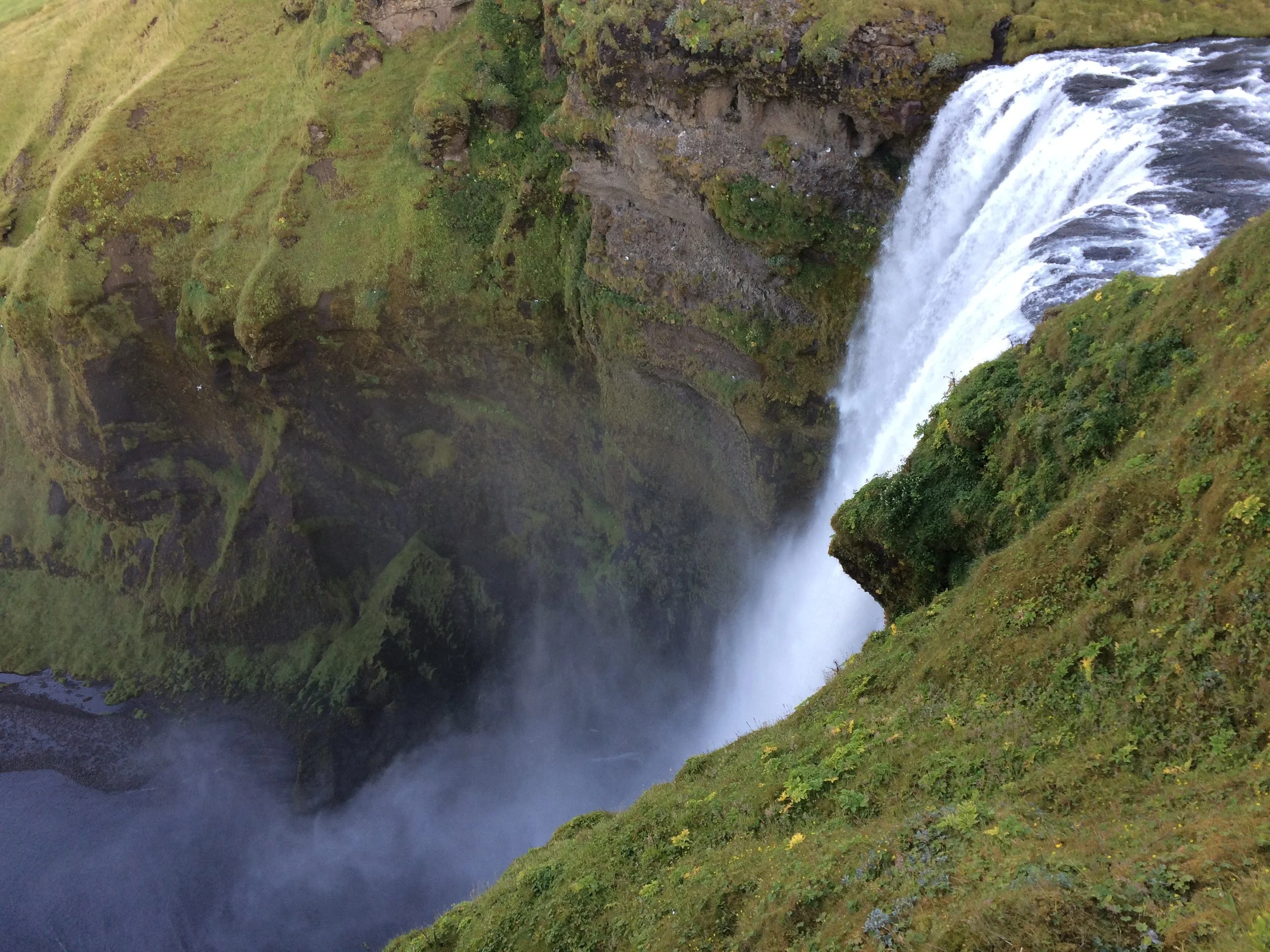
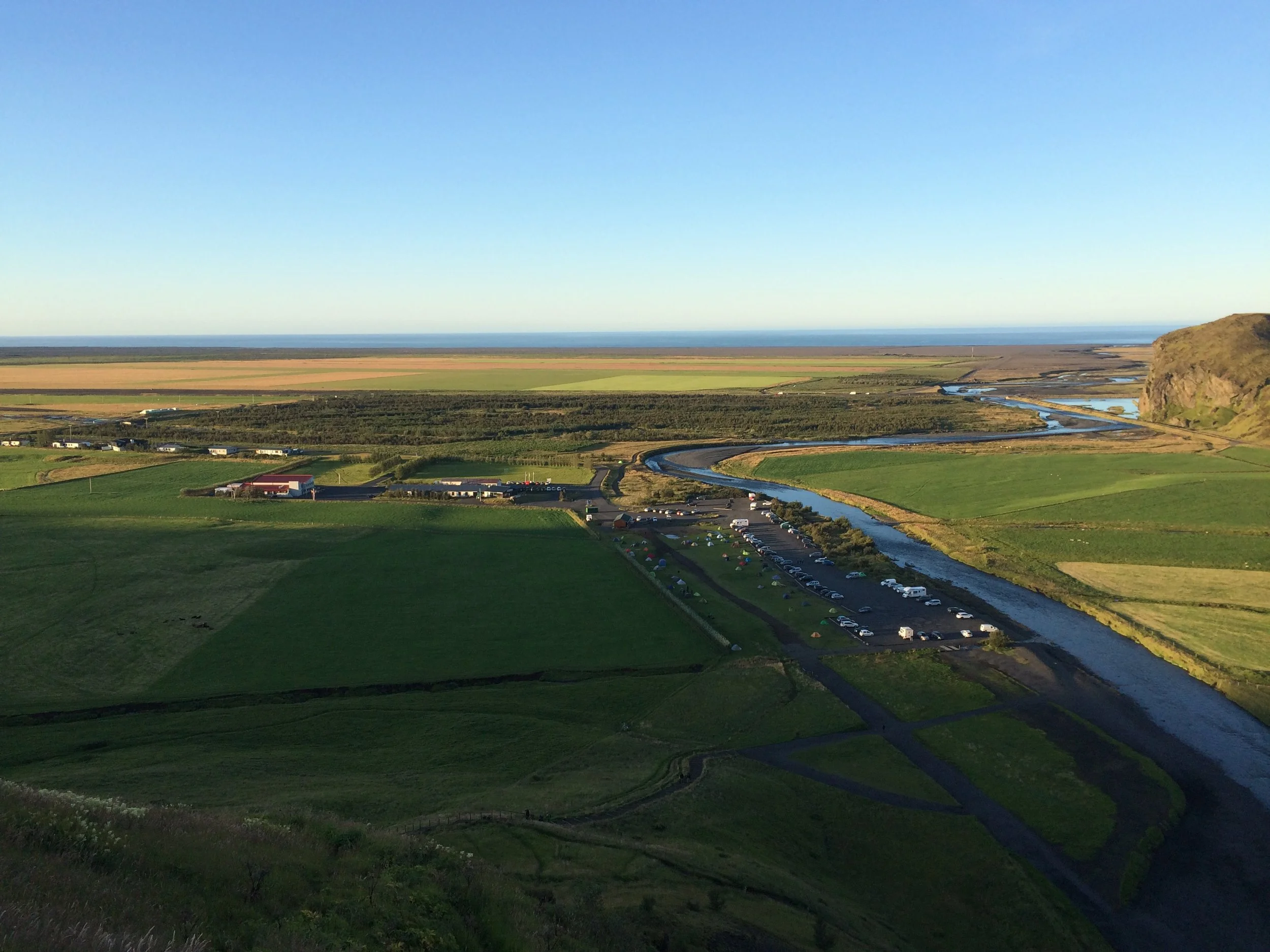
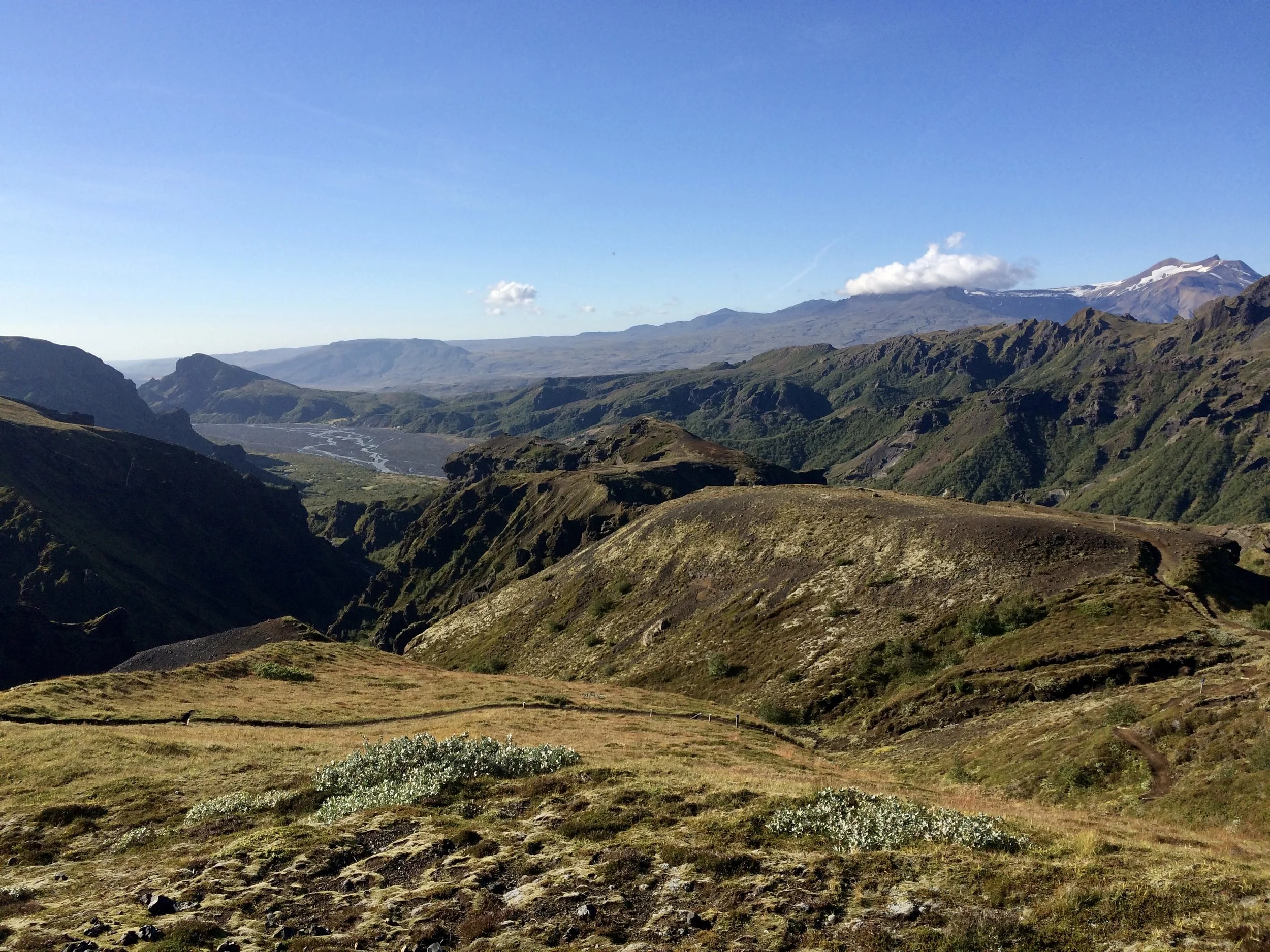
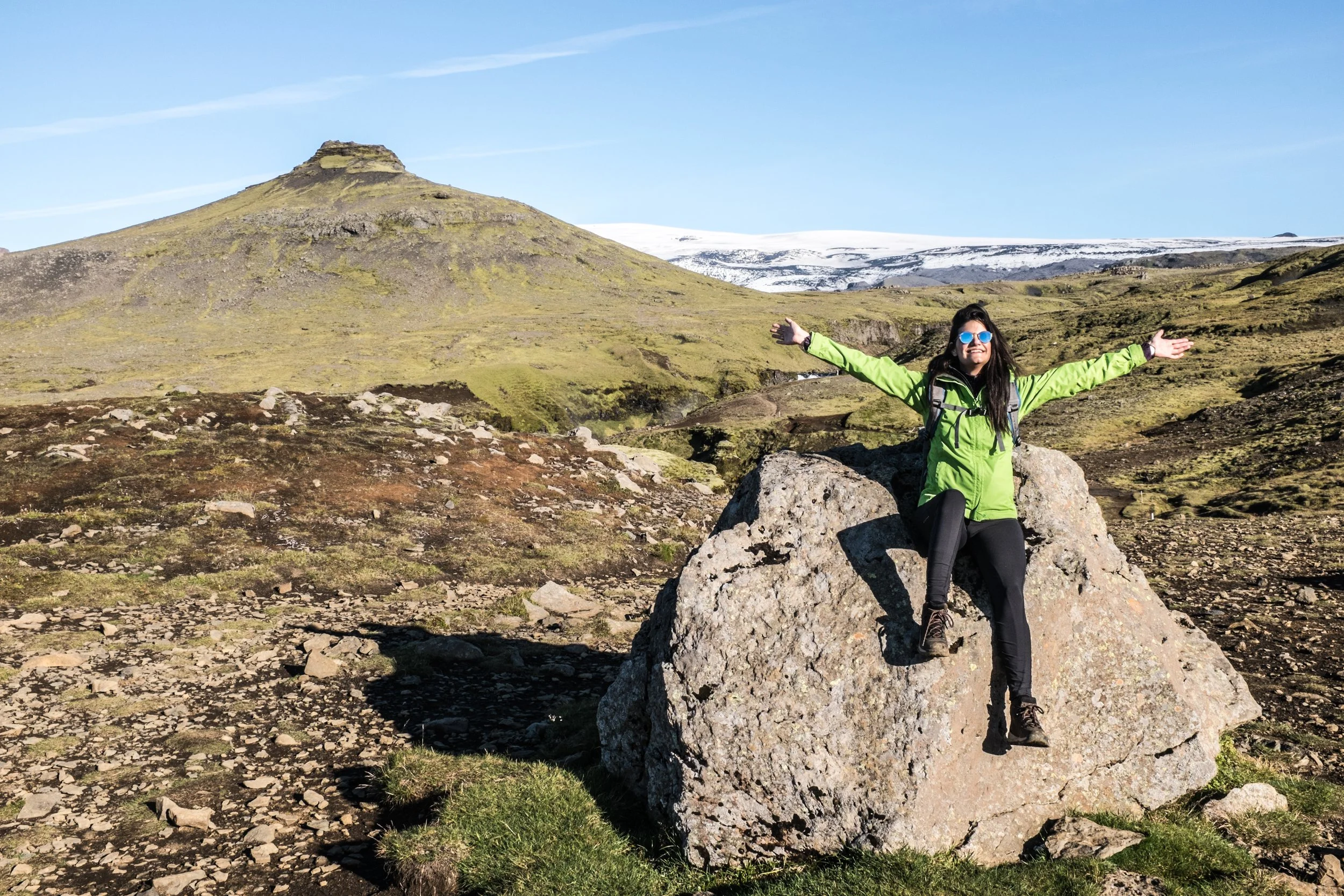
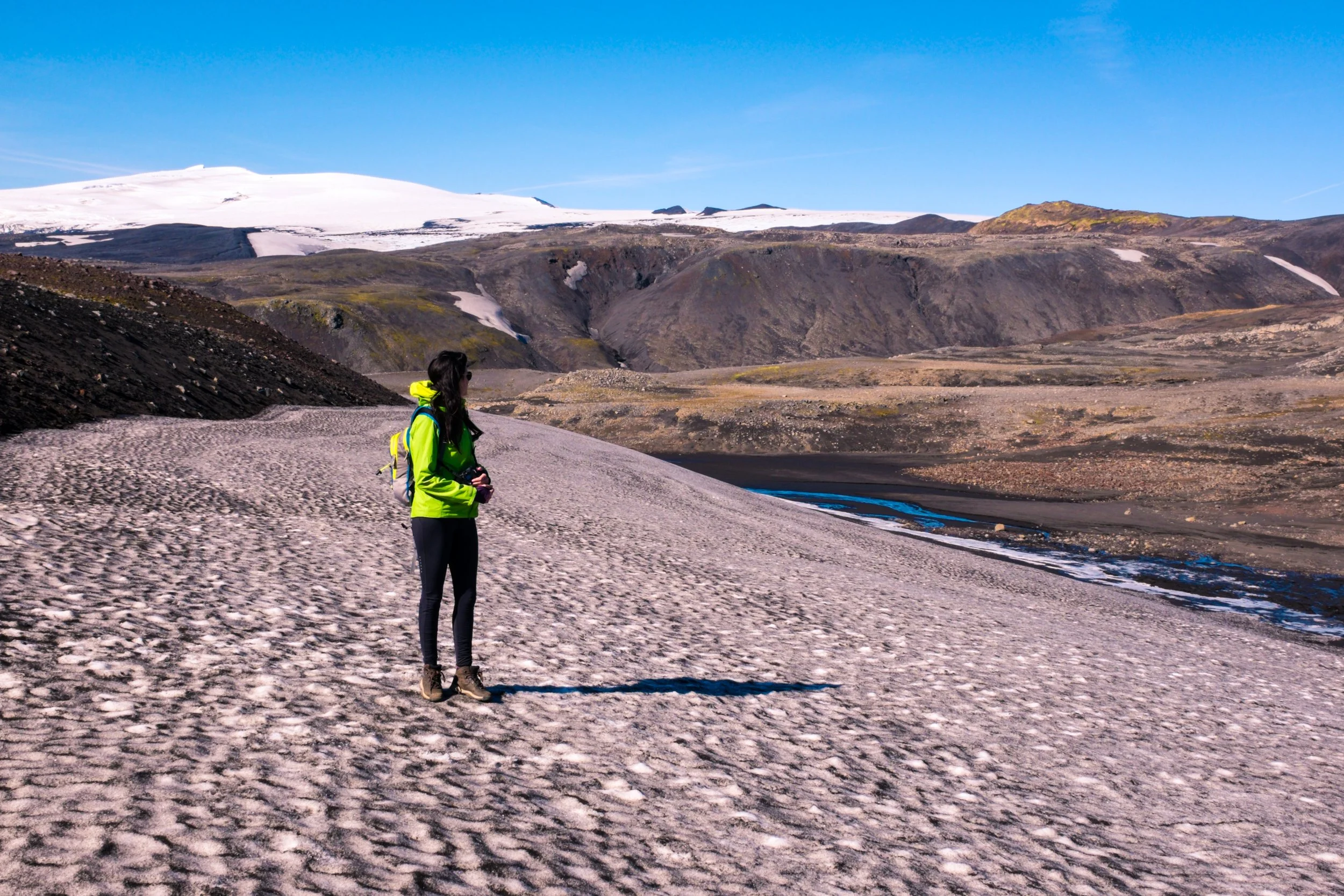
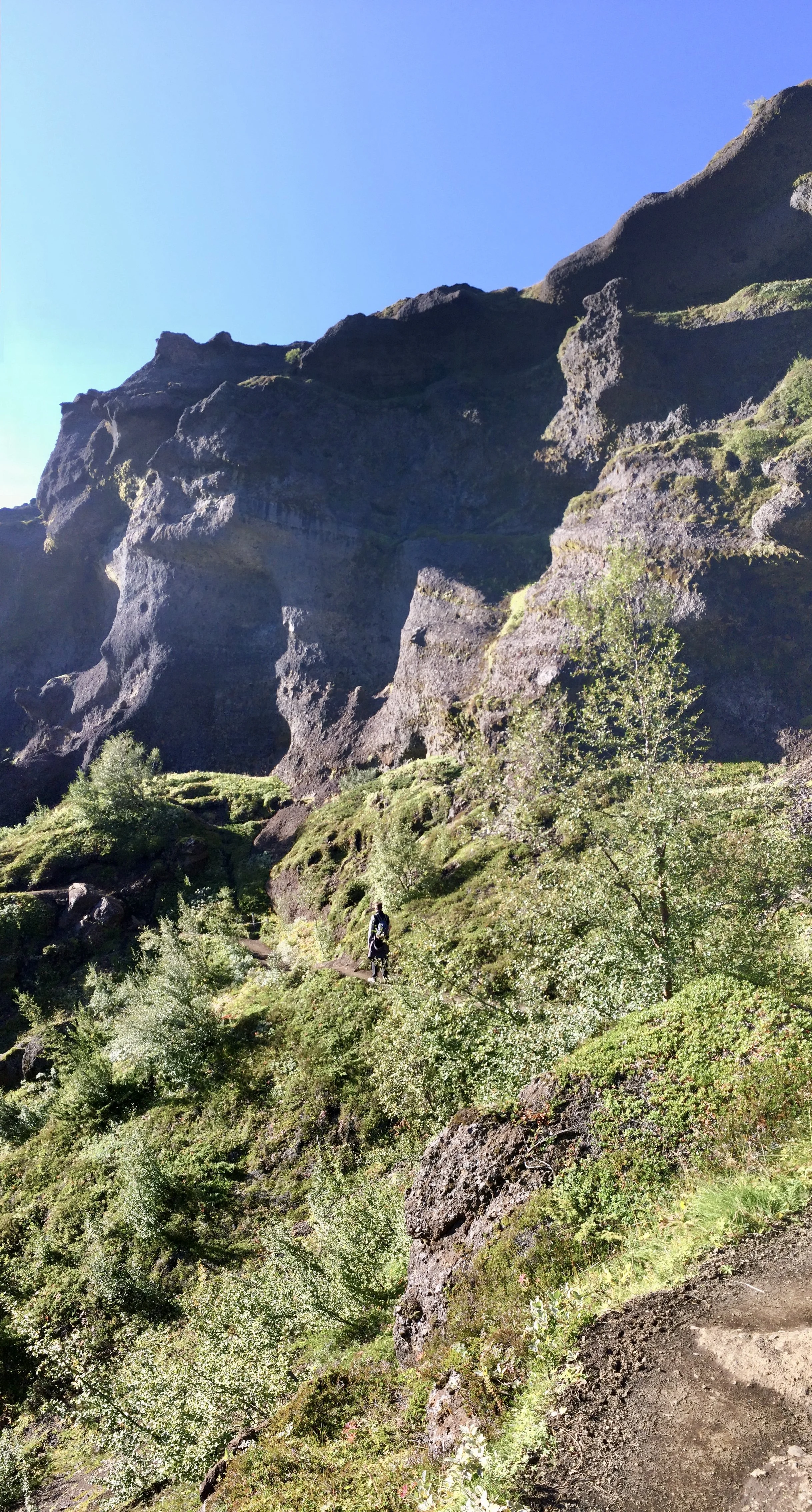
This was the big one. The one we had read about, feared a little, and knew we had to do. Fimmvörðuháls is one of the most famous trails in Iceland, and it earns that reputation fast. It throws everything at you. Elevation. Endless stairs. Wild wind. Sudden silence. Then views that hit like some kind of emotional reset.
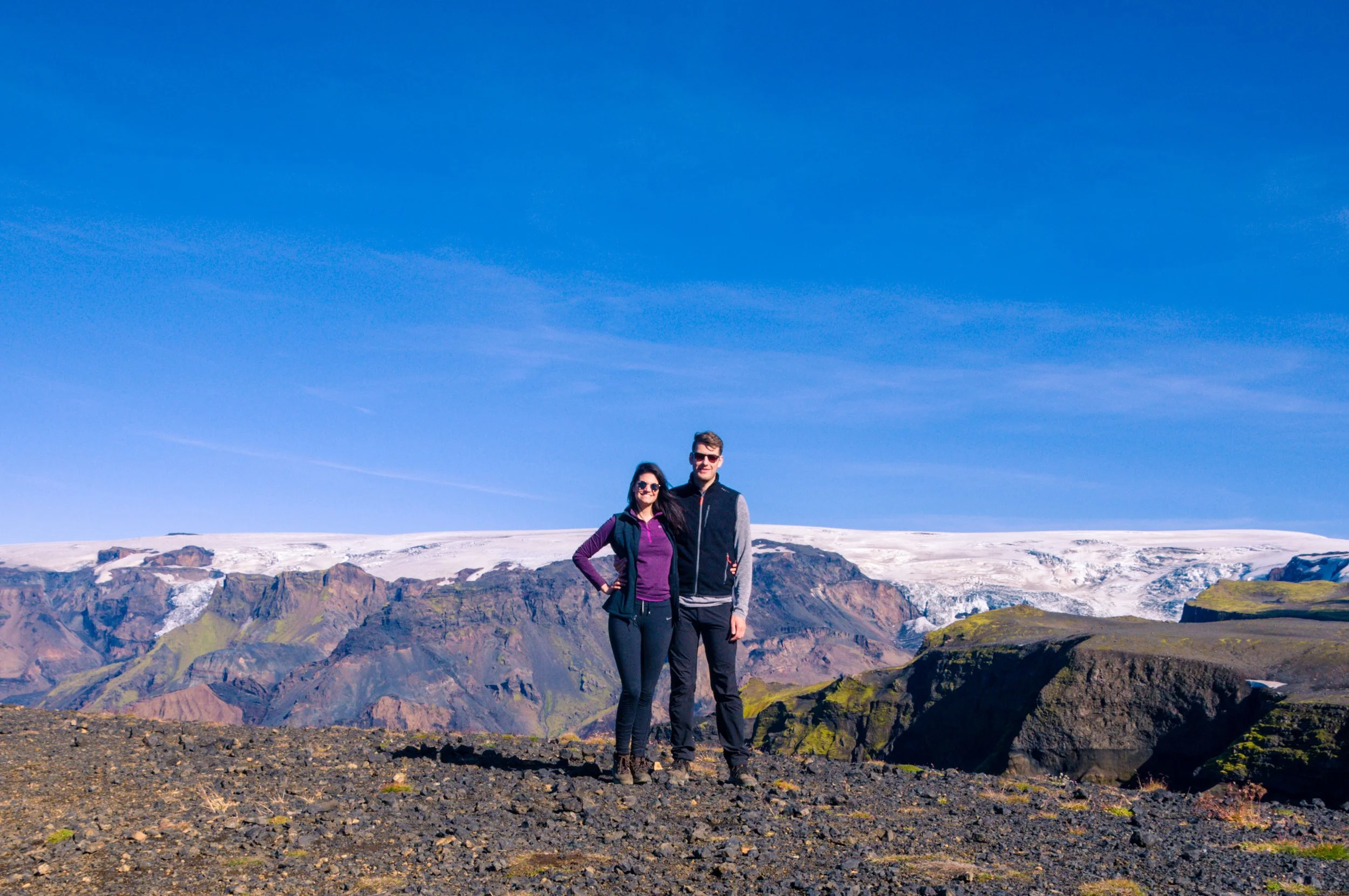
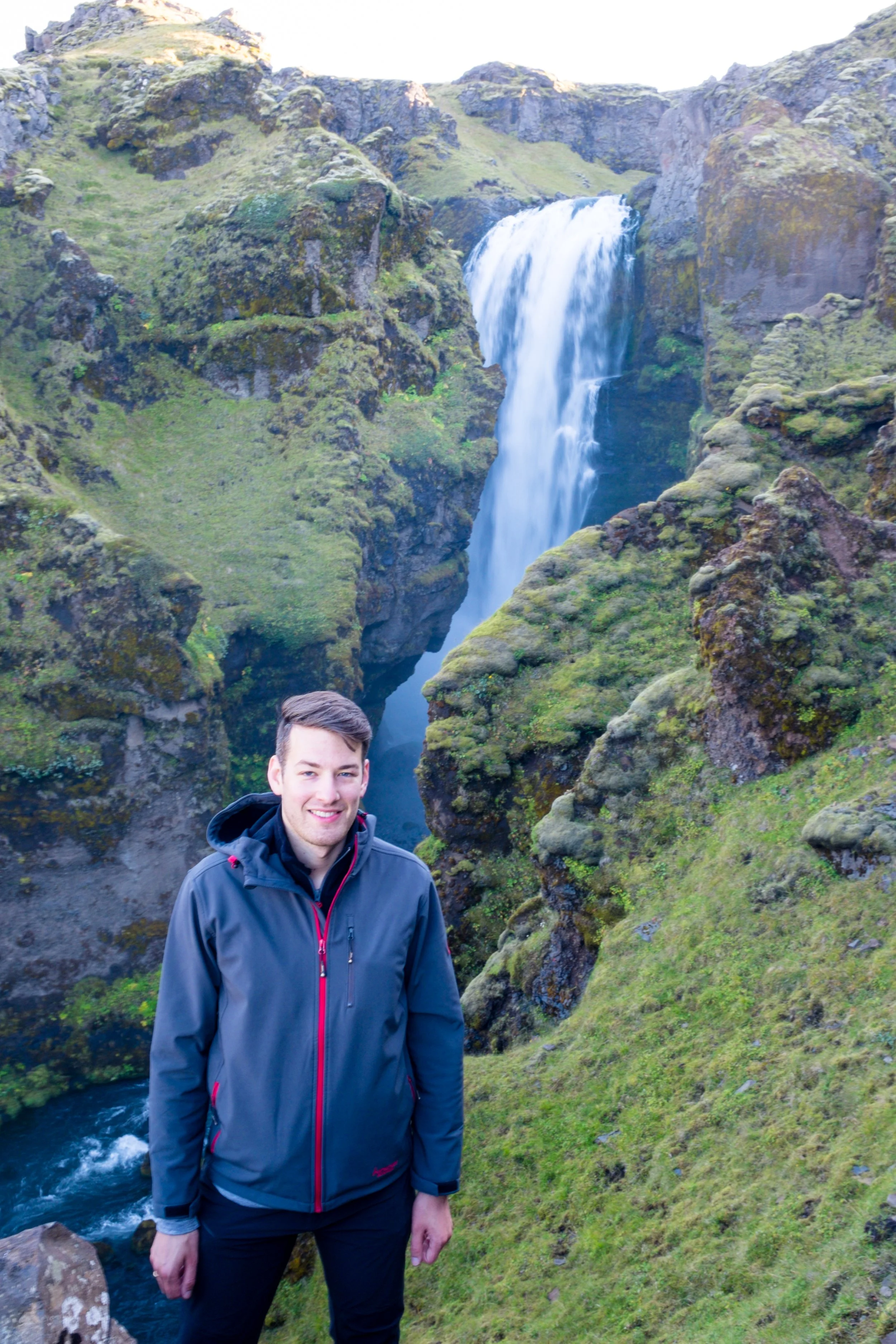
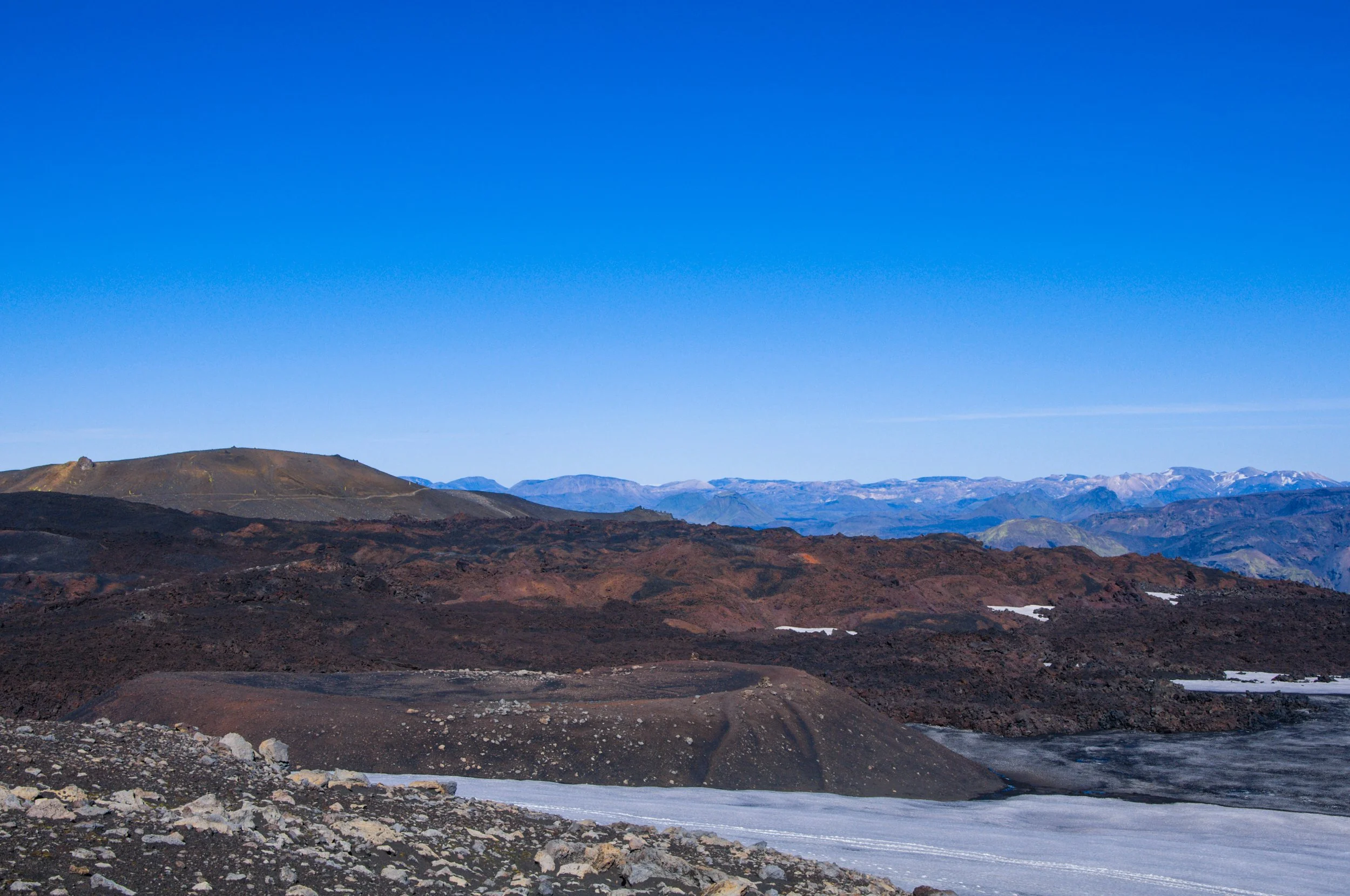
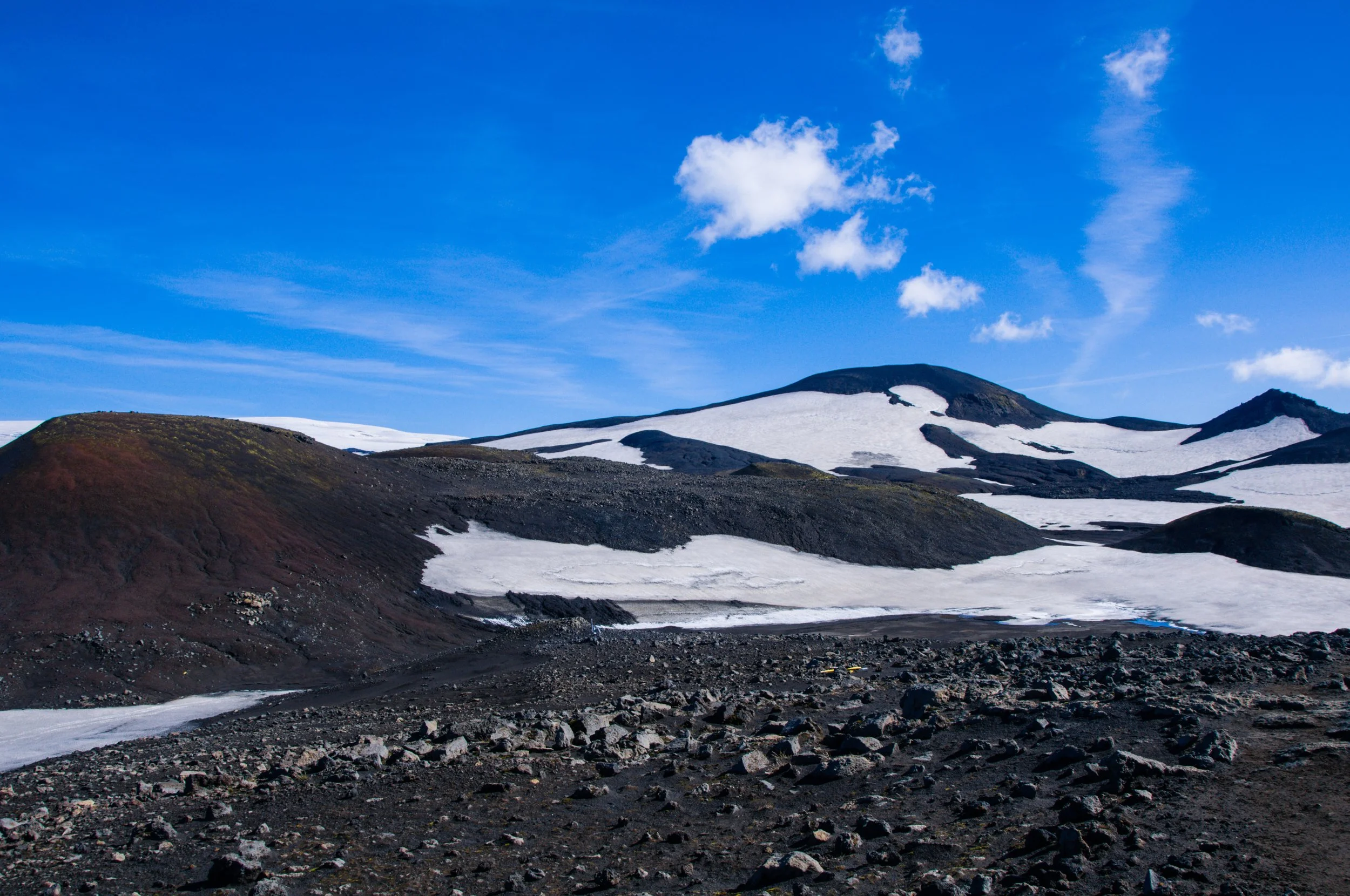
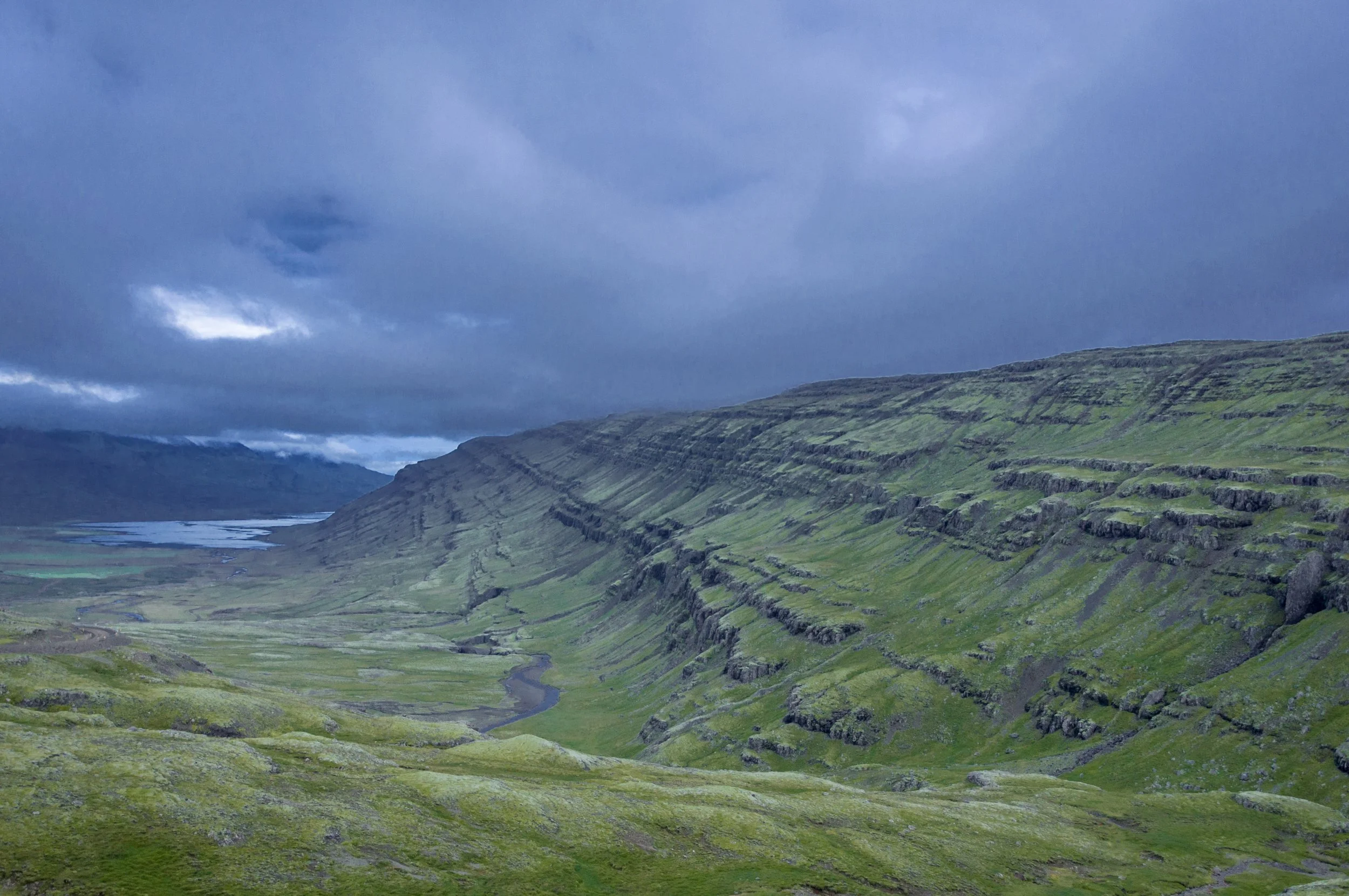
The landscape kept changing. Lush and green. Then volcanic and bleak. Waterfalls. Steam vents. Lava fields. Snow patches. It felt like hiking through five different planets in a single day. The trail crosses between Eyjafjallajökull and Mýrdalsjökull glaciers, passing through terrain transformed by the 2010 eruption that paralyzed European air traffic. Two new craters, Magni and Móði, are so fresh they're still steaming.
It was hard. It was long. It was beautiful in a way that almost didn’t make sense. By the time we finished, we were completely wiped and completely in awe. Definitely one of those “we actually did that” moments. No notes. Just wow.
-
Length: ca. 25 km one way
Elevation gain: ca. 1,000m
Duration:
10 to 14 hours one way, often split over two daysSeason:
Late June to early SeptemberStart points:
- Skógar, classic start at Skógafoss waterfall
- Þórsmörk, possible in reverse but requires stronger navigation skillsDifficulty:
Demanding
Secret Lagoon. Steam, Silence, and Soft Girl Recovery
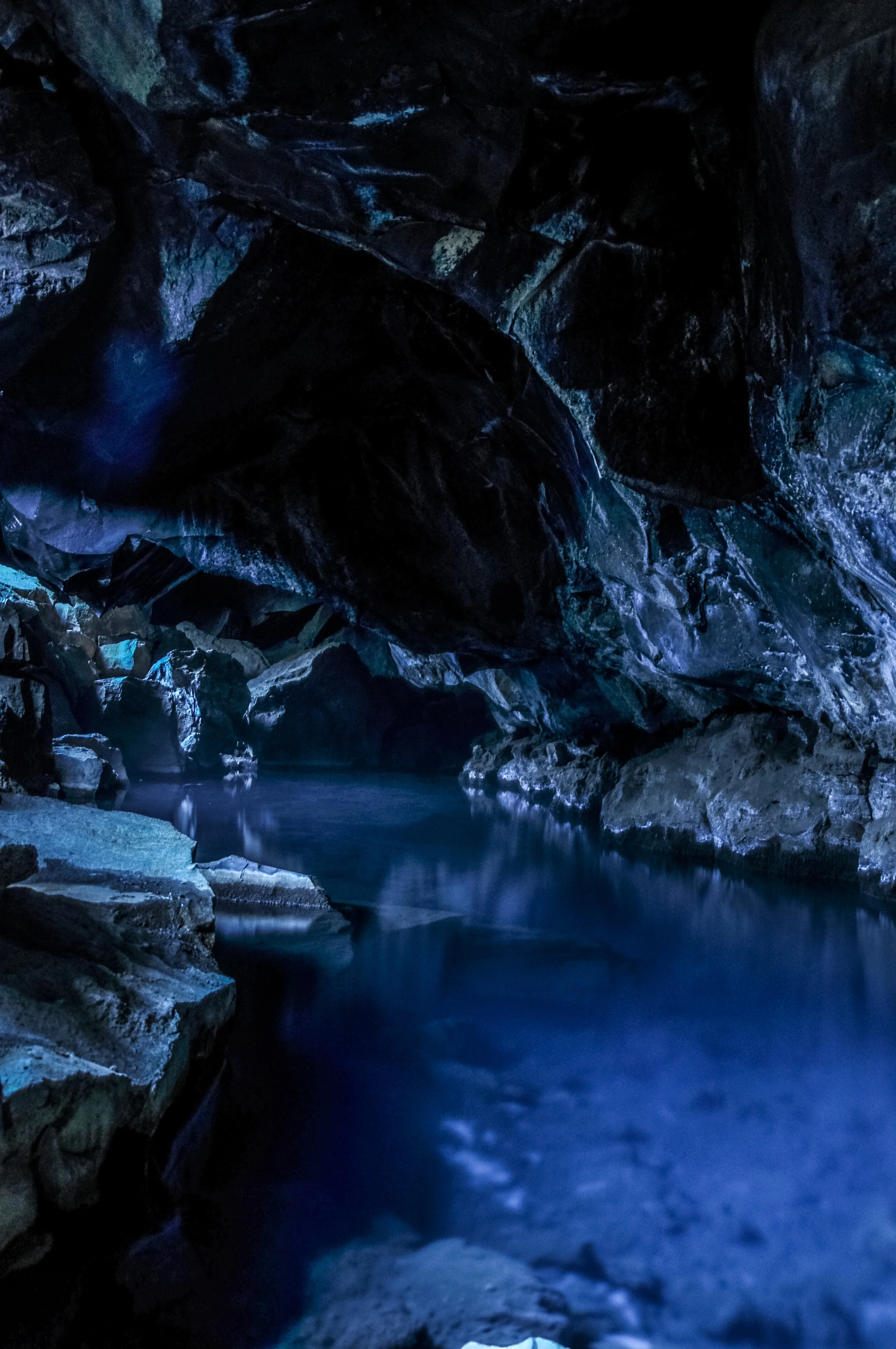
Our final day was all about defrosting. The Secret Lagoon, Iceland's oldest geothermal pool built in 1891, gave us pure bliss. No crowds, no hype, just warm water constantly renewed by natural hot springs, and Litli Geysir casually erupting every few minutes right beside us. It's less polished than the Blue Lagoon and so much better for it.
We floated, we breathed, we let our muscles exhale.
Design Tales
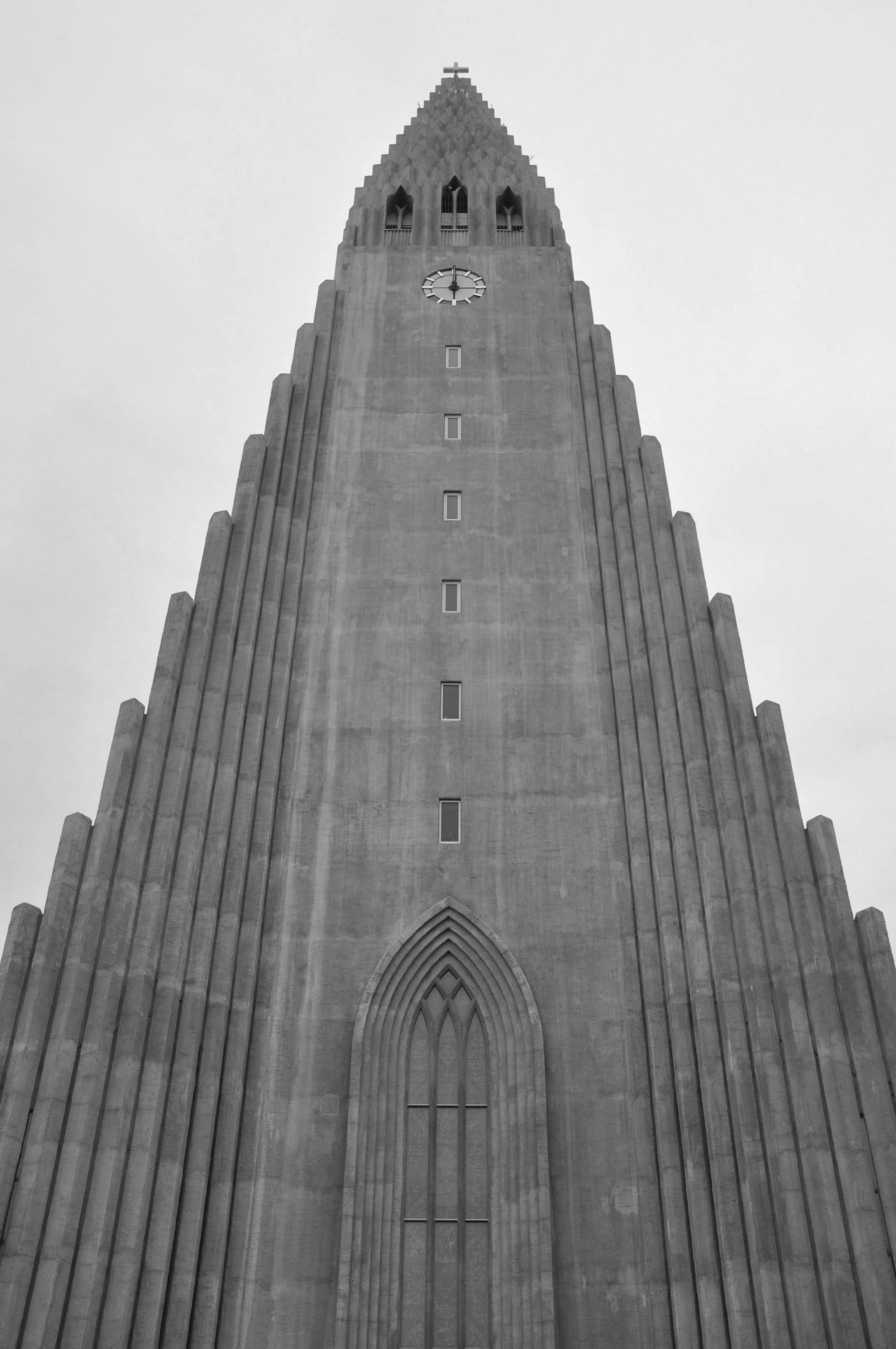
Physical encounter reveals a discrepancy between photographic representation and embodied experience. While undeniably the tallest structure in downtown Reykjavík, the church reads smaller in person than its photographic ubiquity suggests. The surrounding two and three-story residential buildings and the gradual uphill approach establish comparative references that wide angle photography systematically excludes through spatial compression and deliberate framing. The building's actual monumentality operates within Reykjavík's specific urban grain rather than in the isolated, verticality, therefore emphasizing compositions that dominate its visual circulation. This demonstrates how architectural scale perception depends as much on immediate spatial context and sequential movement through the city as on absolute dimensional data.
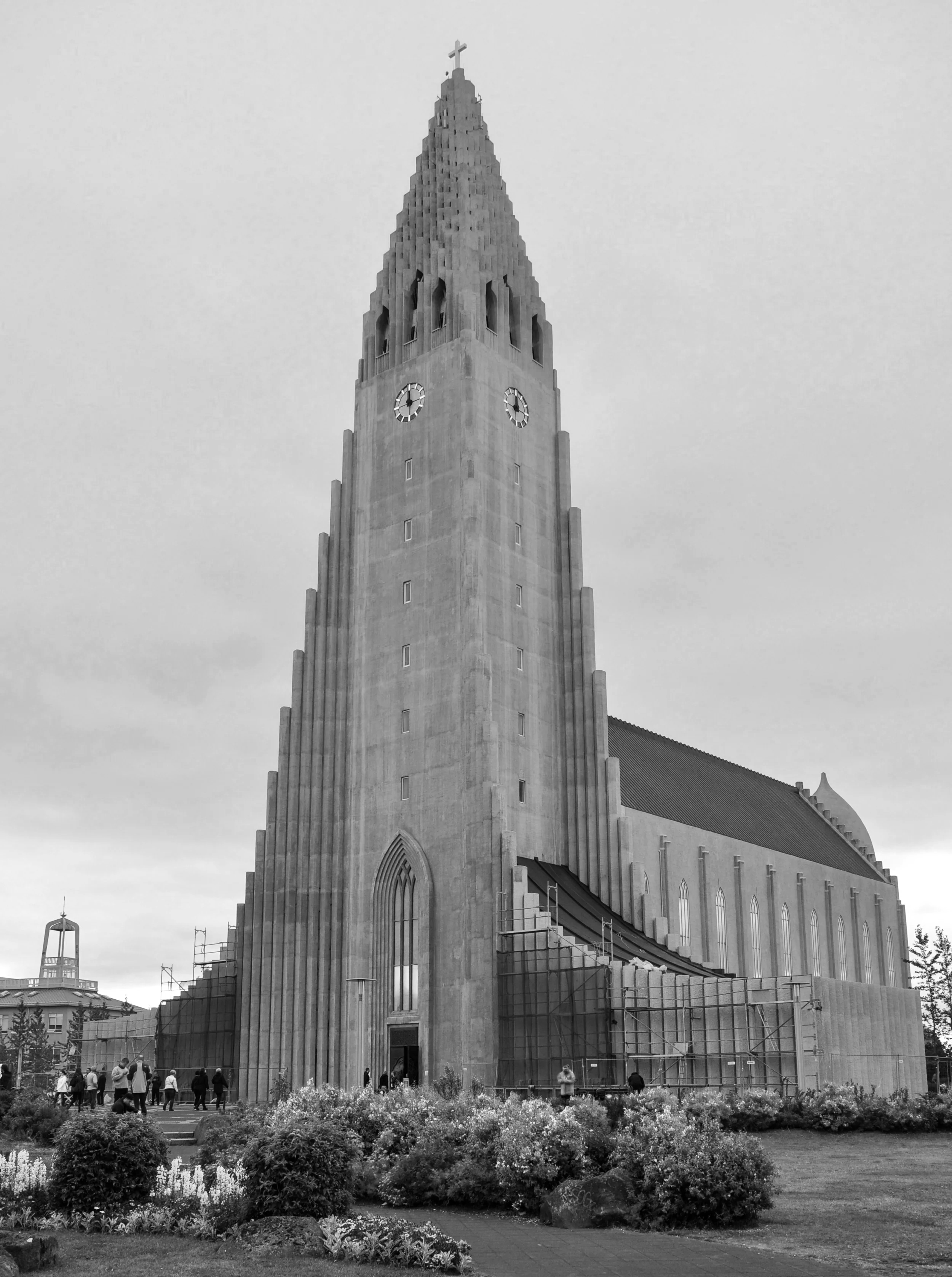
Hallgrímskirkja, named after seventeenth century poet and clergyman Hallgrímur Pétursson, was designed by Guðjón Samúelsson and completed in 1986 after 41 years of construction. Samúelsson, who also designed the National Theatre of Iceland and the University of Iceland, translates Iceland’s basalt column formations into a series of vertical reinforced concrete ribs that rise toward the central 74,5m tower. Positioned on elevated ground, the church uses its hilltop site to extend visual presence across Reykjavík’s low rise fabric. The expressionist massing recalls both Gothic verticality and the hexagonal geology of Svartifoss waterfall, developing a formal language distinct from yet related to Copenhagen's Grundtvig's Church.
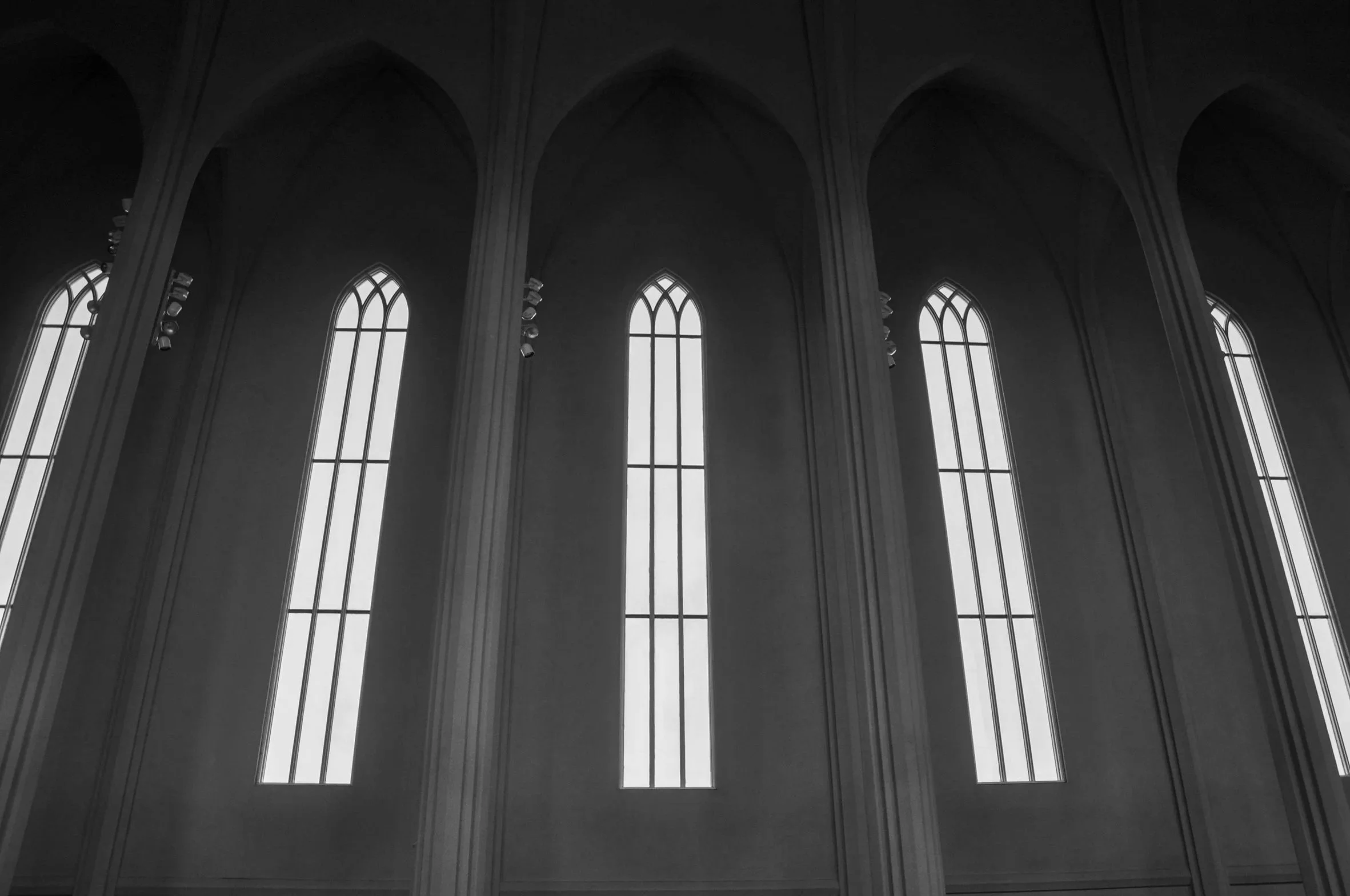
The interior follows a three nave hall church plan, expressing Lutheran restraint through exposed concrete columns, pale surfaces, and clear glazed windows that maintain a continuous visual relationship with shifting weather and light. Space is defined by volume rather than decoration, reinforcing the primacy of word and acoustics over image.
Editors Note
This trip was a wild combo of volcano fog, glacier crunch, and hiking straight into the clouds. Here’s what stood out:
🏆 The best? Reaching the top of a fogged-out ridge with Skatafellsjökull glowing under us, the sky on fire, and not a single soul in sight. Felt like we had climbed into another realm.
💡 Pro tip? Always pack headlamps, even if the hike seems like it’ll end before sunset. Iceland doesn’t care about your confidence.